What are Biomes?
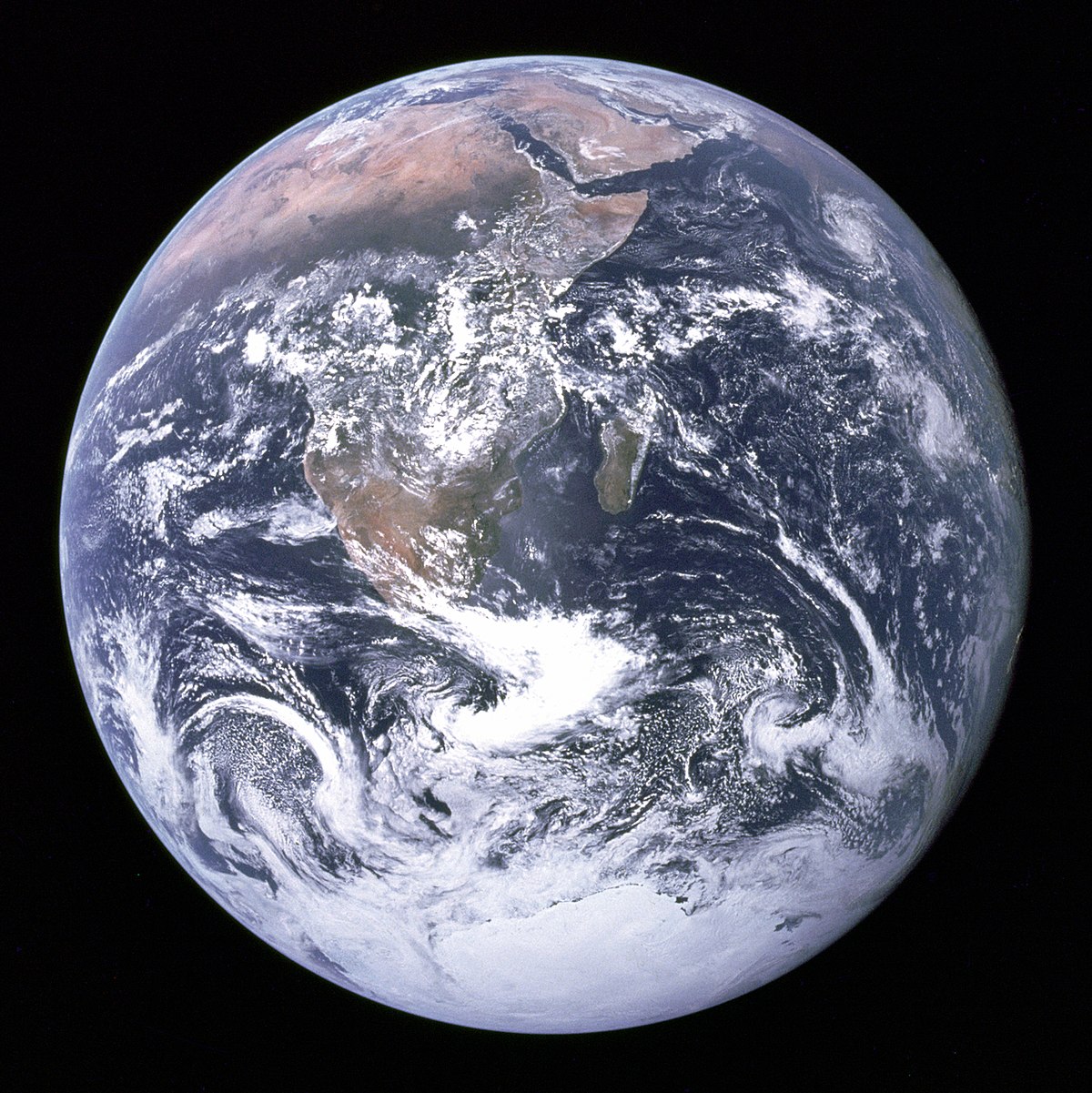
The Earth has many different ecosystems. An ecosystem is the interaction between living things (biotic) and nonliving (abiotic) factors in the environment. Biotic factors are the plants, animals, fungi, and bacteria in the area. The abiotic factors are the climate, soil, altitude, light, and air. These interact to shape the environment. Different parts of the Earth often have similar abiotic factors. This means that similar ecosystems are found around the planet. These general ecosystems are called biomes.
There are ten basic biomes. These are grasslands, tundra, savannah, tropical rainforest, temperate forest, taiga (boreal forest), desert, ice caps, freshwater, and marine. These biomes are found at similar latitudes across the globe and because of this they have similar abiotic factors. The organisms living there develop similar adaptations to survive their environments.
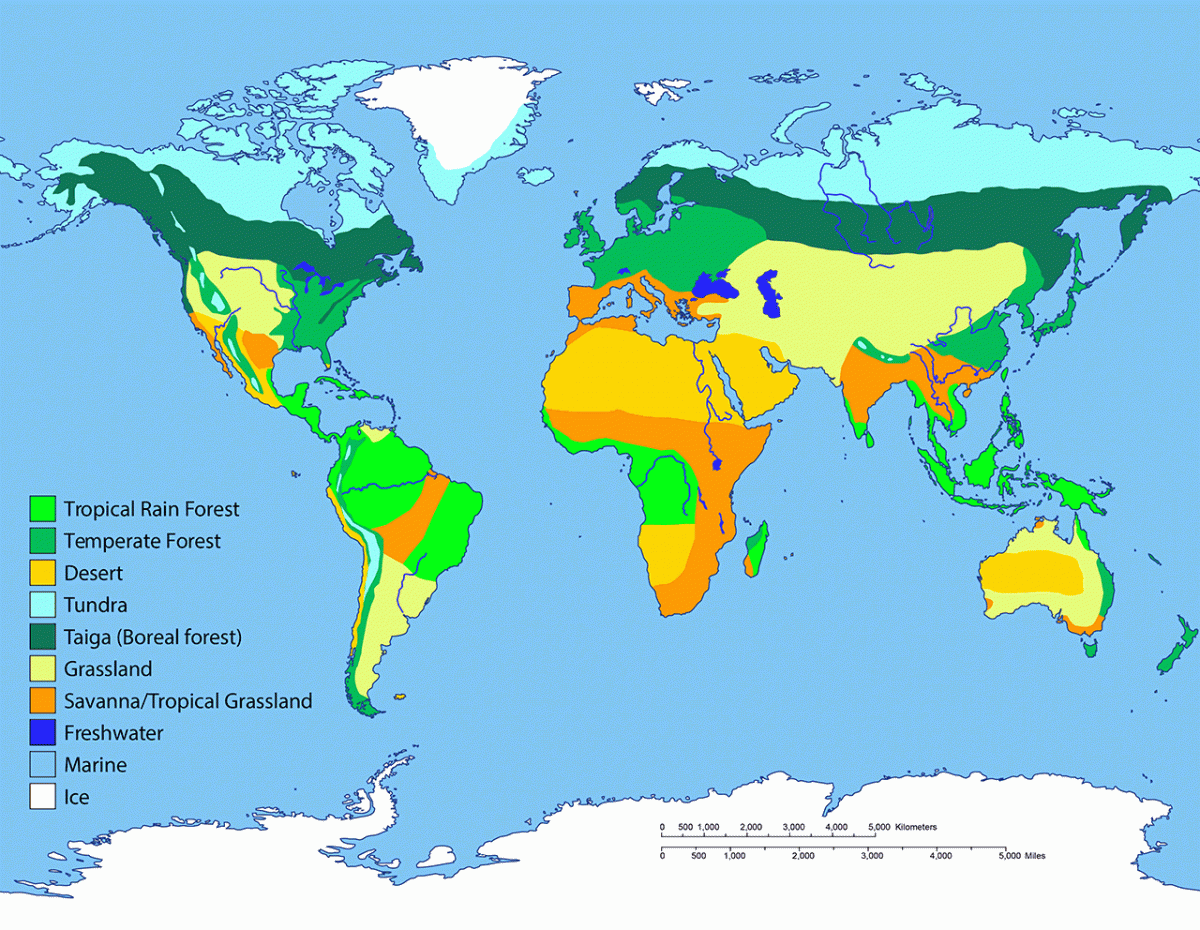
A map of the world showing the basic biomes (https://askabiologist.asu.edu/explore/biomes )
It is hard to map biomes because similar ecosystems can have small differences that have large effects on the landscape and the organisms that live there. Biomes gradually change and blend together. For example if a desert and a grassland are next to each other on the continent there will be a gradual shift between the two. The nine basic biomes can be further divided into more biomes because of this as well. These more specific biomes are: ice caps and polar desert, tundra, taiga, temperate broadleaf forest, temperate steppe, subtropical rainforest, Mediterranean vegetation, monsoon forest, arid desert, xeric shrubland, dry steppe, semiarid desert, grass savannah, tree savannah, subtropical dry forest, tropical rainforest, alpine tundra, and montane forests.
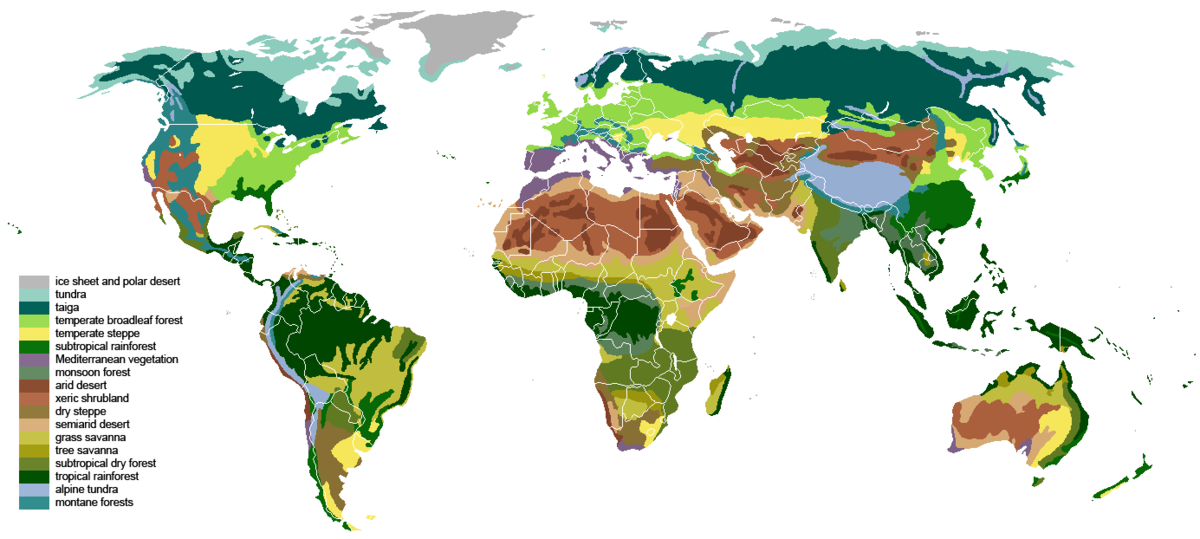
A map of the world showing more specific biomes ( https://en.wikipedia.org/wiki/Biome)
The freshwater and marine biomes are also very generalized, even though there are major differences between different parts of these basic biomes. The freshwater biome can be further divided into ponds and lakes, rivers, streams, and wetlands. The marine biome can be further divided into polar seas, open oceans, estuaries, coastal seas, lagoons, continental shelves, and the deep sea and ocean floor. Just like land these biomes can be found in different parts of the world and have many similarities along with major differences. Aquatic biomes and terrestrial biomes interact and create unique ecosystems when they come together.
These biomes have unique conditions that shaped their and environment and the organisms that live there. I will be discussing these individual biomes in further detail in future posts.
 Science and Nature