Biomes of the World: Grasslands

Grasslands are one of the largest and most important biomes on Earth. (https://undark.org/article/saving-americas-broken-prairie/)

Different Types of Grasslands

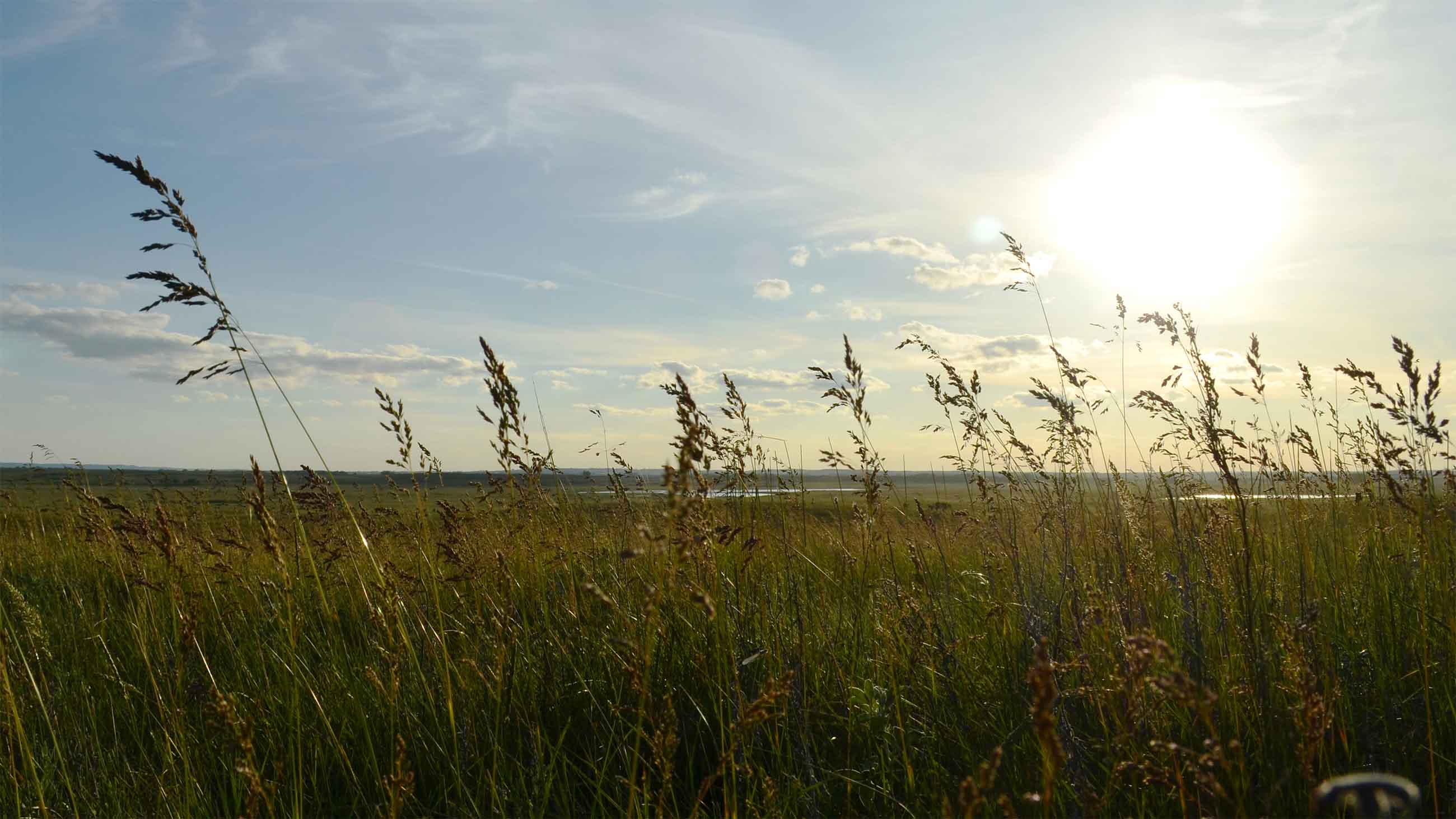
Grasslands are ecosystems that are dominated by grasses and have very few trees. These ecosystems are too dry for trees to dominate the landscape, but they receive enough precipitation to prevent the formation of desert.

There are different types of grassland depending on the region that they are found in. There are temperate grasslands and tropical grasslands. Together these grasslands account for 25% of the Earth’s land surface. They have high amounts of biodiversity with a wide variety of plant and animal species. They have large numbers of grazing animals and are home to some of the most famous animals in the world.

Grasslands also have a lot of ecosystem services that they provide to humans. They have been essential for agriculture because they have very fertile soils. This has allowed us to grow crops like corn, wheat, and soybeans in areas that were once grasslands. They can also support grazing animals like cattle. Grasses prevent soil erosion because their roots hold it in place, which prevents the wind from blowing the fertile topsoil away. Grasslands also absorb and store carbon, which helps to take away some of the carbon emissions that contribute to global climate change.

Temperate Grasslands
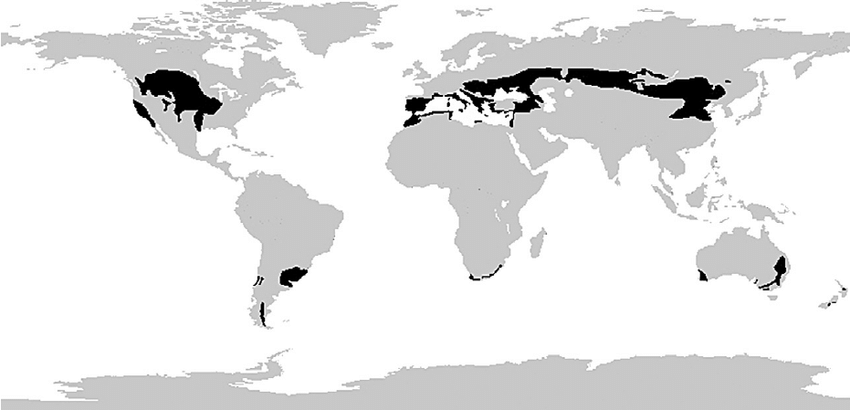
Temperate grasslands are found in many regions of the world and have a different name everywhere. They are called prairie in North America, pampas in South America, steppe in Europe and Asia, and the veldt in South Africa. These grasslands have similar conditions in all of these areas. They are in semiarid climates where there is not much rain. They receive about 10 to 20 inches a year depending on the region. This is not enough rain to support a large number of trees, although they can still be found near bodies of freshwater, like rivers and streams.

These grasslands are often subject to extreme conditions. They can be very hot during the summer and are prone to droughts and wildfires. The grasses and forbs (plants that are not grasses or trees) that dominate these ecosystems are adapted for the tough conditions. Many species have deep roots that allow them to access moisture in the soil when there are droughts. These deep roots also help them to survive wildfires. These deep root systems cause the majority of plant matter to be found underground. Many grassland species grow from the base of the plant, near the ground, instead of the at the top of the plant. This helps them to survive fires as well as grazing. Some plant species even depend on the wildfires for seed dispersal and depend on fires to clear the land and give them more space to grow.

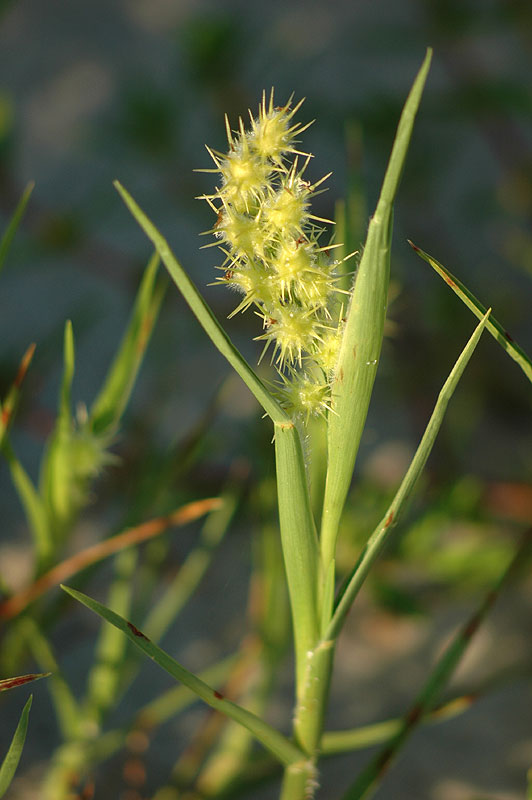
Grasslands are windy because of the lack of trees. Many plants use this to their advantage by using the wind for pollination and seed dispersal. Some plants rely on animals for these processes. Many plants have brightly colored flowers that attract pollinators, like bees. Some also rely on animals for seed dispersal. These plants produce fruits that animals will eat. The seeds survive the digestive system and are deposited in new locations, which helps the plant spread. The animal’s excrement also acts as a fertilizer. Some plants also use animals for seed dispersal without producing fruits for them to eat. One example of this is seen in the sandbur plant. Their seeds have spines that stick to animals and are carried away from the parent plant.
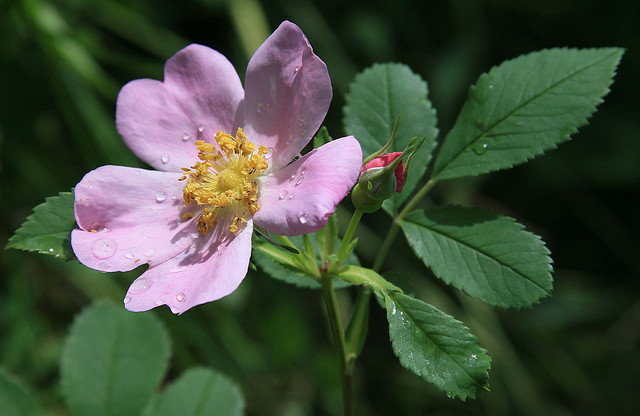
Wild prairie roses produce fruits in late autumn when food can be scarce. Their fruits are eaten by a variety of animals that help spread their seeds.(https://statesymbolsusa.org/symbol-official-item/iowa/state-flower/wild-prairie-rose)
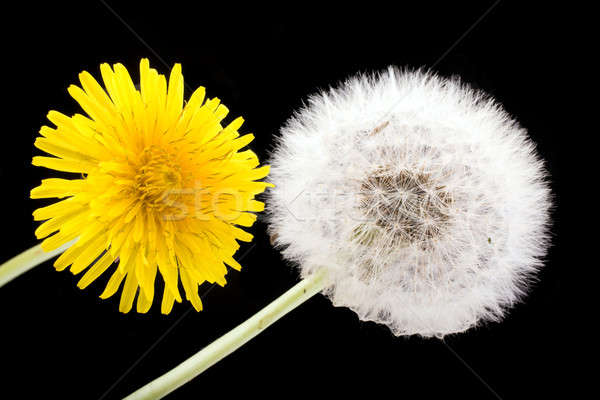
The dandelion is a plant that uses animals for pollination and the wind for seed dispersal. The bright yellow flowers attract many insects. When pollinated the flower is replaced by seeds that are carried by the wind. (https://stockfresh.com/image/1321476/dandelion-flower-and-seeds)
The sandbur uses animals to transport its seeds. The seeds have sharp spines that stick to animals and are carried away. These are quite sharp and can be painful if you happen to be the animal they get stuck to. (https://www.discoverlife.org/mp/20q?search=Cenchrus+tribuloides)

Temperate grasslands also host a wide variety of animal life. There are many different grazing animals that eat plants. The wide open spaces of grasslands help some of these animals to be very large in size and in numbers. Most of the grazing animals are ungulates, meaning that they have hooves. These animals play a role in breaking up soil and pushing seeds into the soil. Bison and elk were common on the prairie in North America and filled this role. Predatory animals follow these herds and prey upon weaker animals in the herd. Examples of these are wolves, coyotes, and mountain lions. Temperate grasslands also host a wide variety of bird species. These include migratory species and resident species that do not migrate. Many of the migratory species spend time in the temperate grasslands during the summer, and leave before it becomes too cold. Resident species are adapted to survive the extremes of the summer and winter.There is also a high diversity of insects. There are many species that feed on plant material and there are a lot of predatory species that feed on other insects.
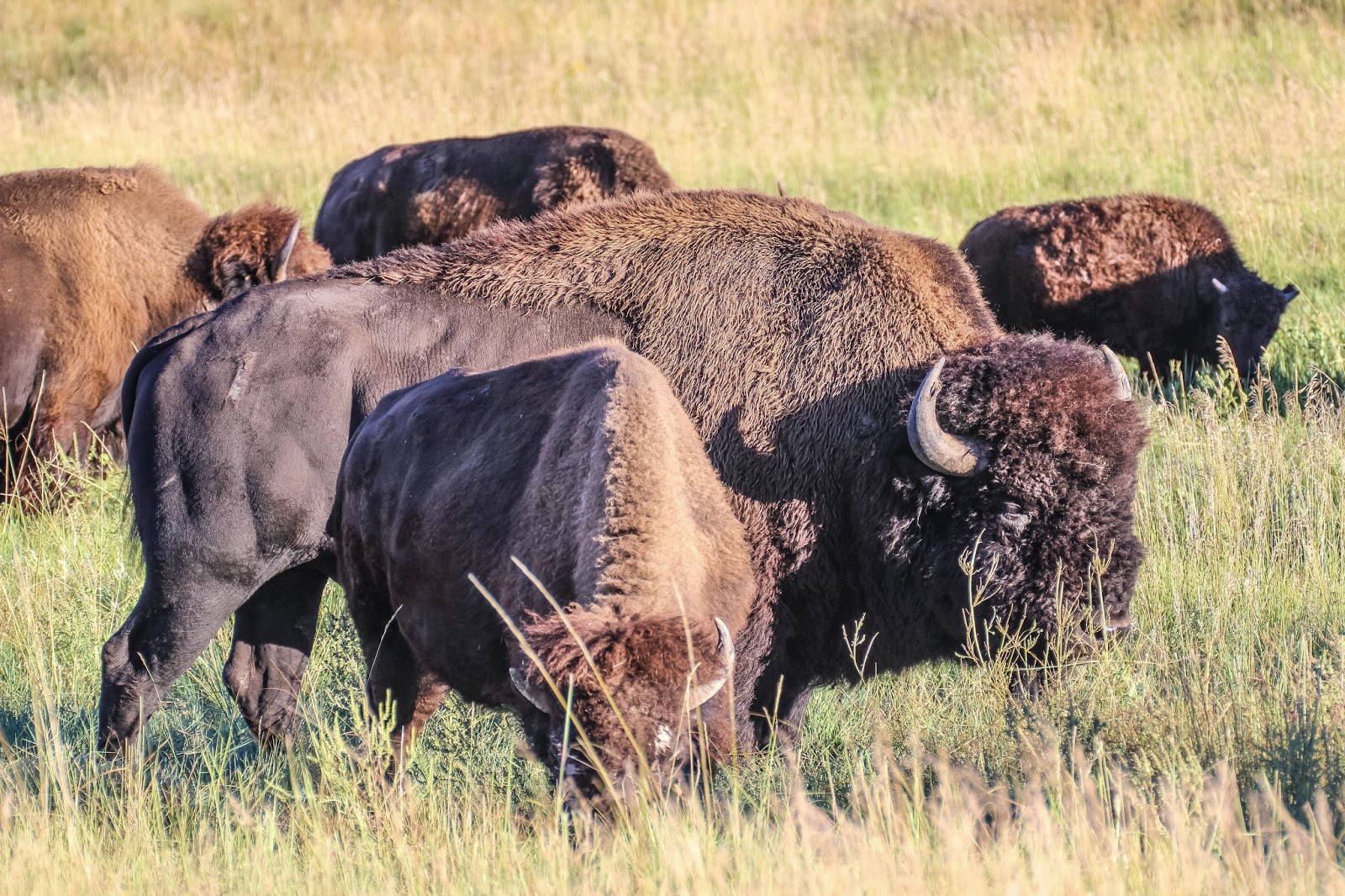
Bison were once common on the prairie in North America but were nearly wiped out by European settlers.
(http://cannundrum.blogspot.com/2014/09/plains-bison-south-dakota.html)
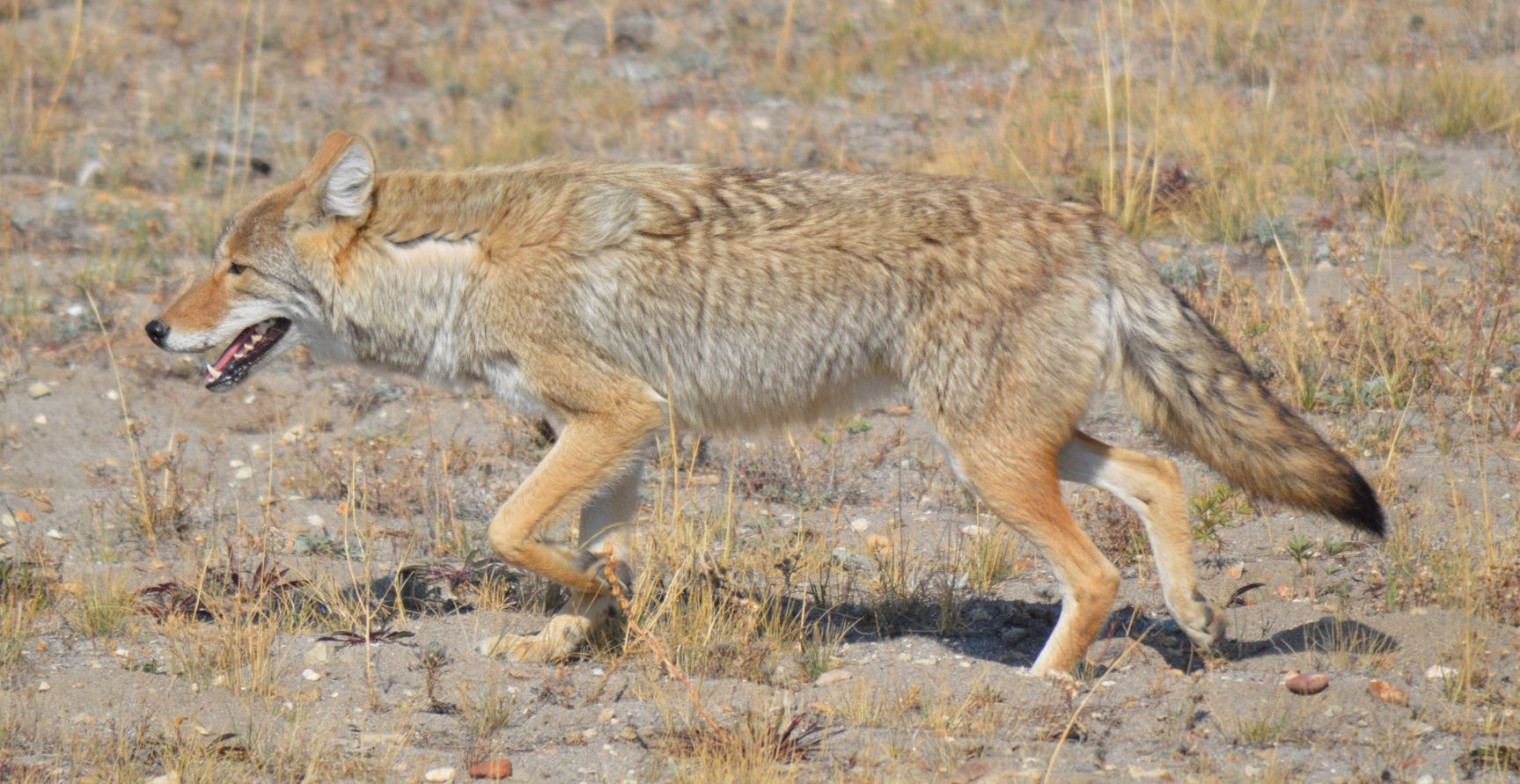
Coyote are similar to wolves, but they are much smaller. They prey upon smaller animals and scavenge. (http://www.adirondackwildlife.org/Coywolf.html )
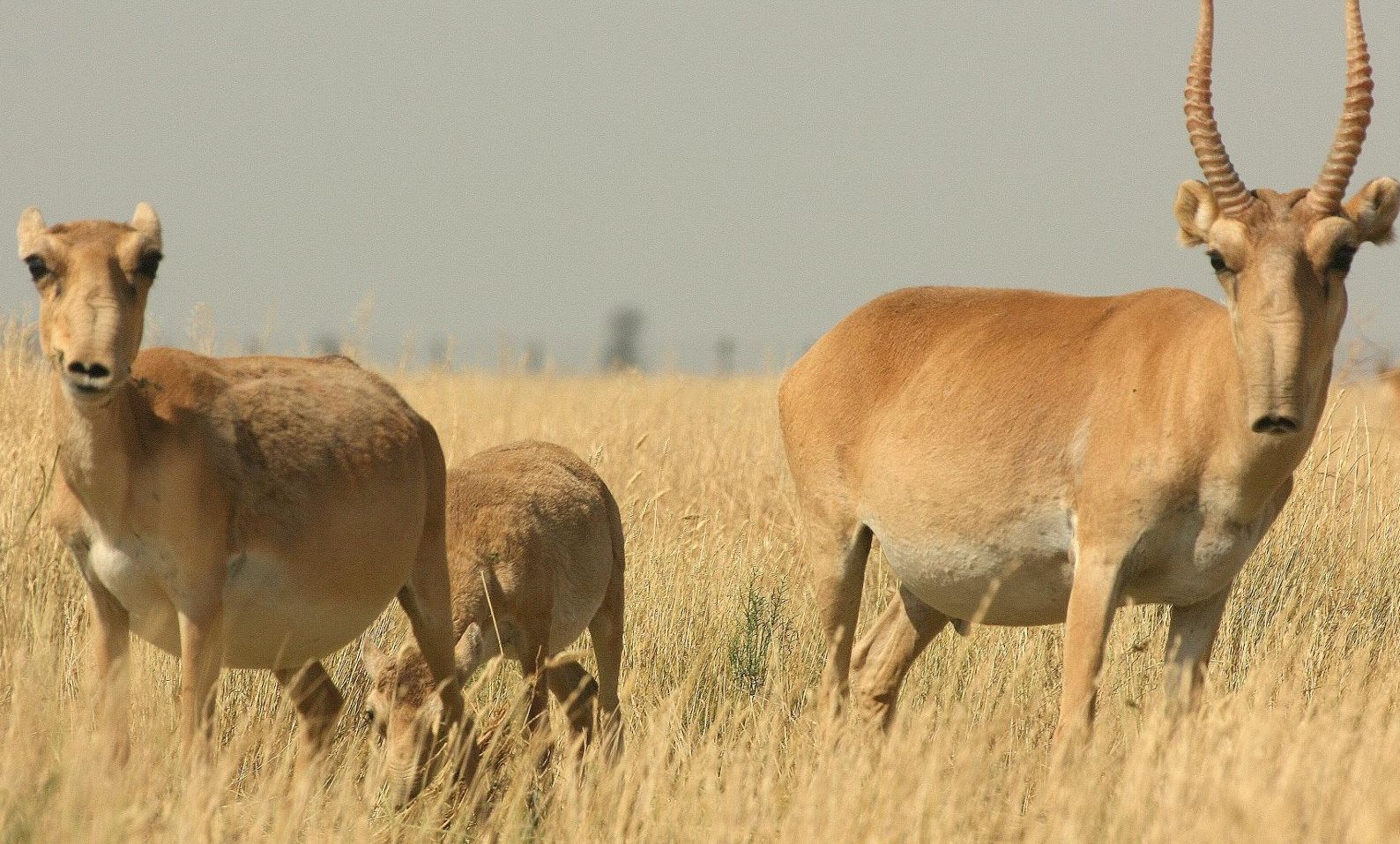
The saiga antelope is found in the steppe of Eastern Europe and Western Asia. Their lage nose allows them to filter out dust during dust storms. It also helps to warm the air before it enters their lungs in the winter. (https://savenaturesavehuman.blogspot.com/2013/03/the-saiga-antelope_18.html)
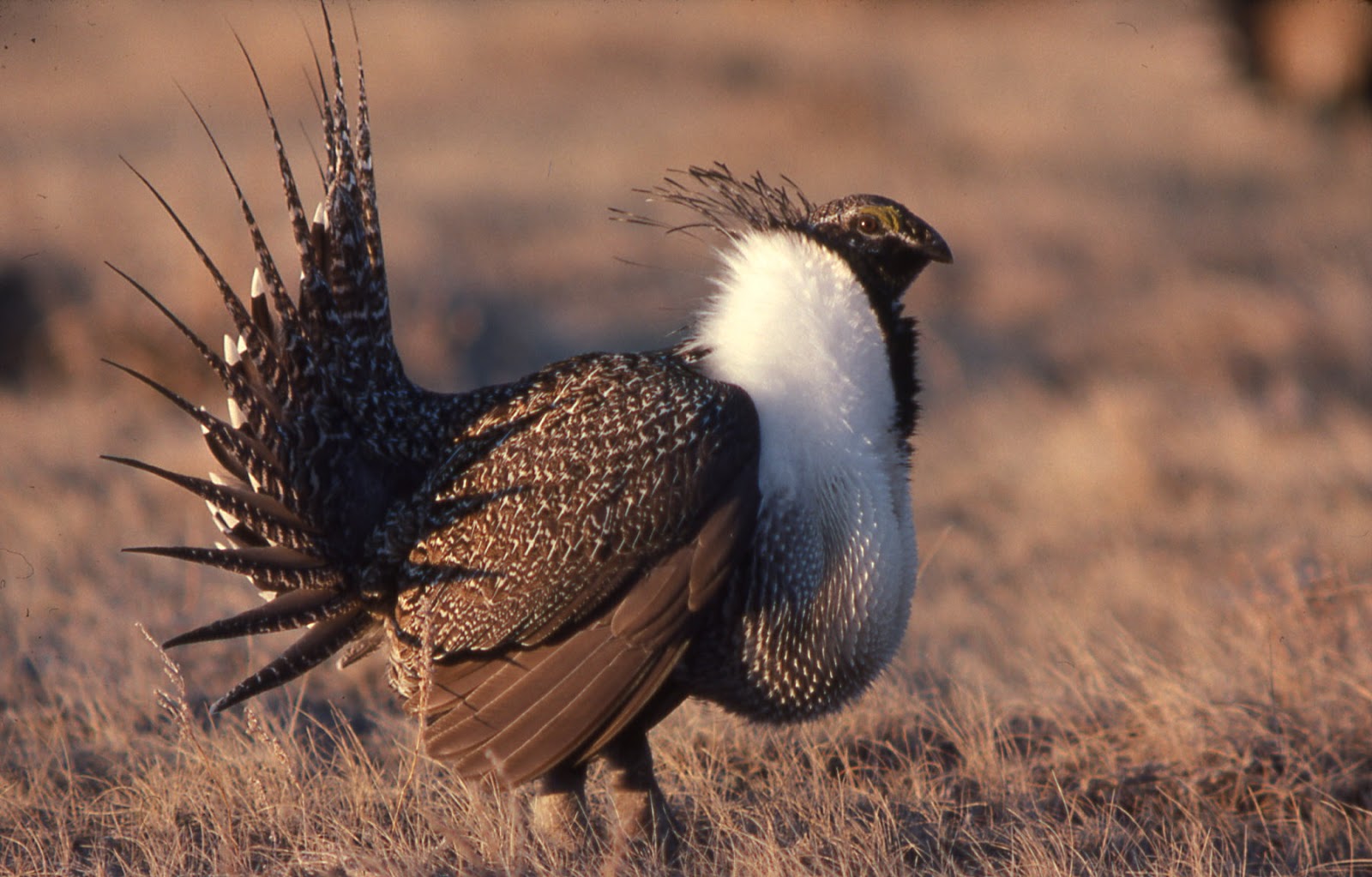
A male greater sage grouse displaying for a female. These birds are found in western North America.  (https://naturecanada.ca/news/blog/countries-across-the-americas-unite-to-save-grassland-birds/)

Tropical Grasslands

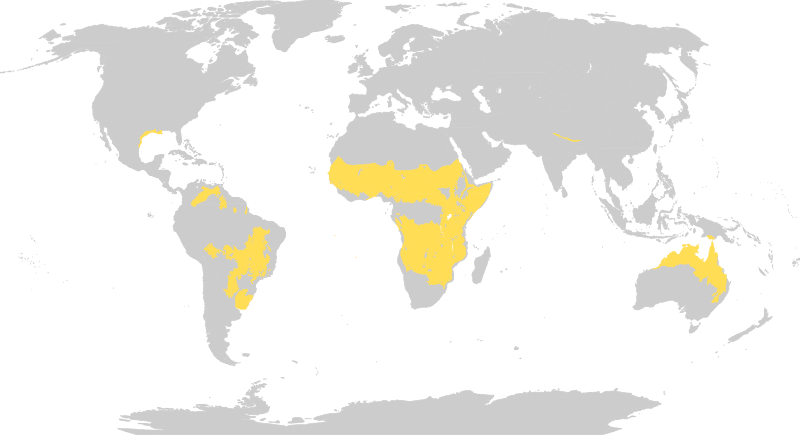
A map showing the locations of the tropical grasslands (https://askabiologist.asu.edu/explore/savanna)

Tropical grasslands are found near the equator and are often called savannas. They are dominated by grasses, although there are more trees throughout these grasslands than in temperate grasslands. It is warm year round and there is a wet and dry season. These seasons bring extremes. During the dry season there is very little to no rain, which causes most of the plants die back and the savanna begins to look more like a desert. It can become so dry that rivers begin to dry up. The wet season brings 20-30 inches of rain and the landscape is transformed into a lush grassland.

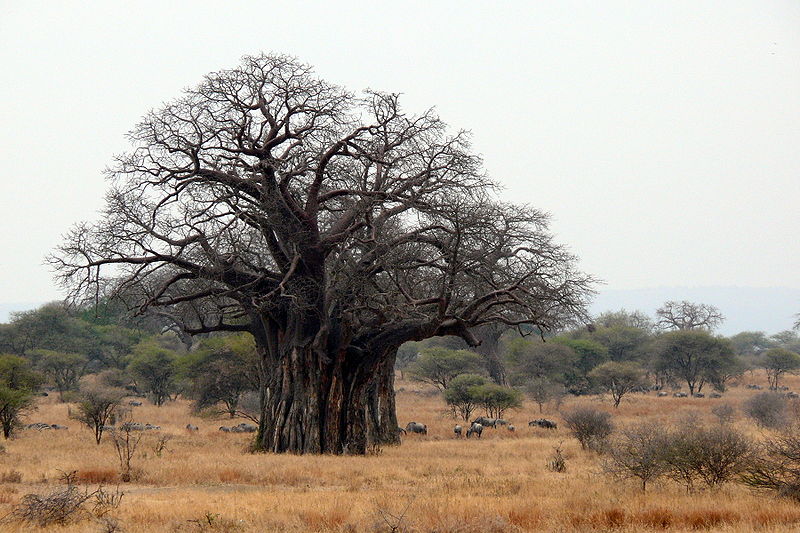
Plants in the tropical grasslands have many similar adaptations that plants in temperate grasslands have. They have deep roots and are fire resistant. Many plants store water in bulbs. The baobab tree stores water in their trunk that they can use during the dry season. Plants go dormant during the dry season, meaning that they do not grow or flower during this time in an effort to conserve water. There are more species of grazing animals in the tropics so plants must be adapted to resisting grazing pressures. Many plants have thorns and spines to prevent grazing while some use chemicals that leave a bad taste in the grazers mouth. Animals have adapted to this and specialize on eating specific plants. The giraffe and the acacia tree are a very interesting example of the evolutionary arms race between plants and animals.
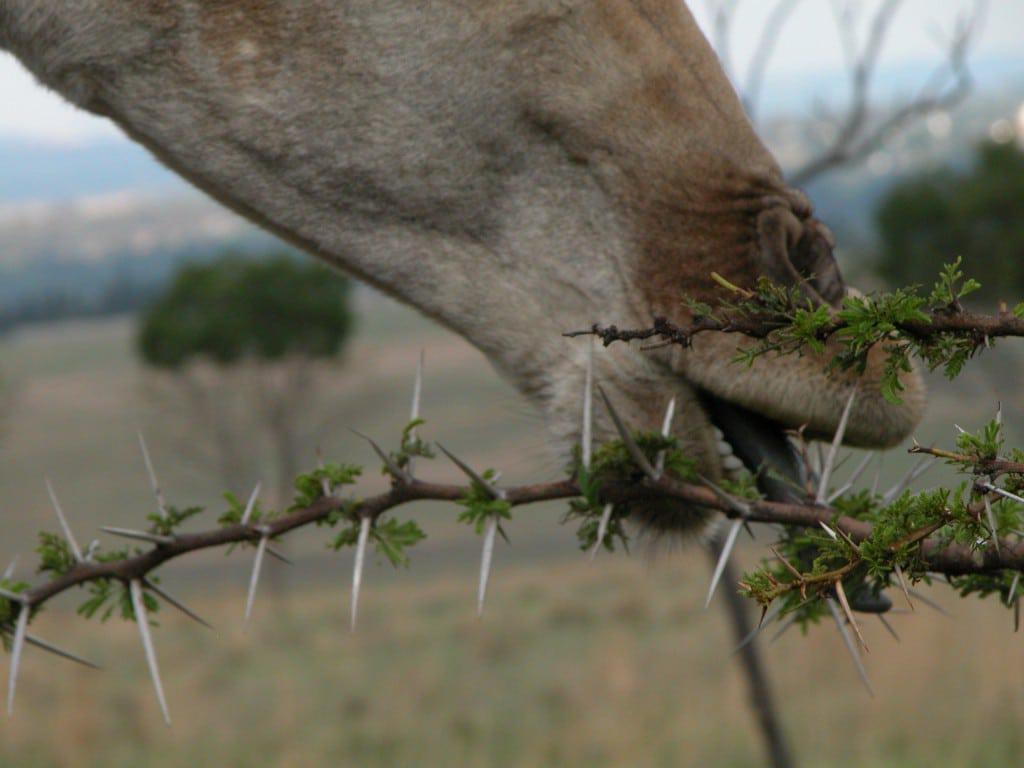
Acacia trees have sharp thorns that deter grazing animals. The giraffe has a long tongue that can maneuver between the thorns to strip leaves off of the branches. The acacia tree can release chemicals called tannins that inhibit digestion. The acacia tree can even send a signal to other trees that causes them to produce the chemical as well, which causes the giraffe to move on. ( https://www.africansafaris.com/acacias-v-giraffes-a-uniquely-african-tussle/)
Baobab trees are one of the largest trees and grow up to 100 feet tall. They can also reach very old ages with some being 1,000 years old. (https://askabiologist.asu.edu/plants-savanna)

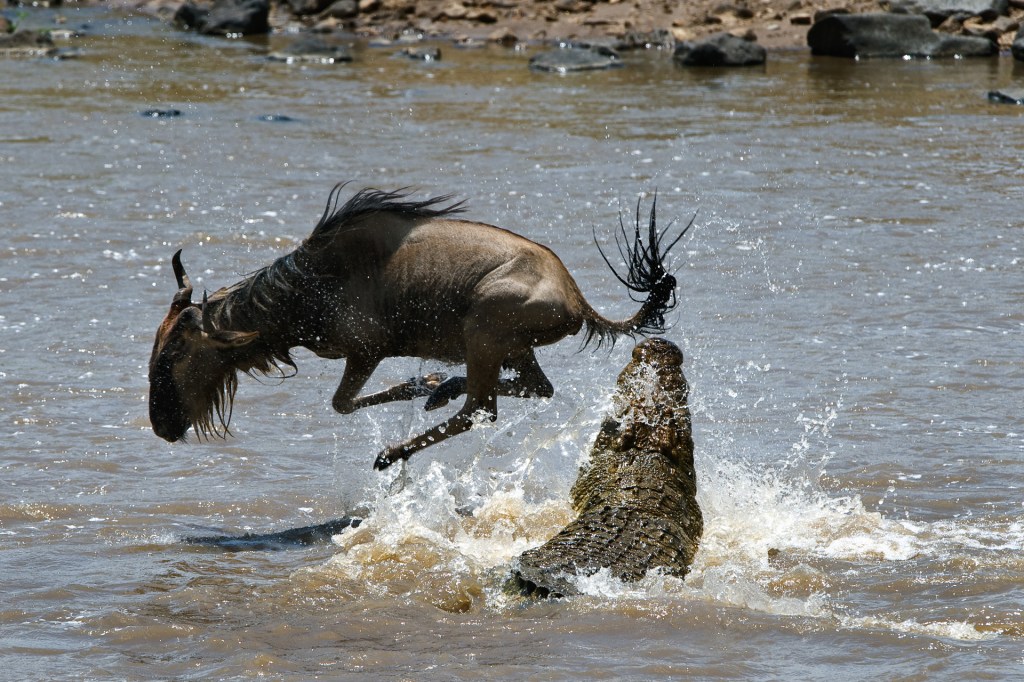
There are more animals that live in the tropical grasslands than there are in the temperate grasslands. This is due to there being more biodiversity in tropical climates than there is in in temperate climates. The warmer climate also helps more cold blooded animals survive. The savanna hosts many species of insects, reptiles, mammals, birds, and amphibians. There is a wide variety of grazing animals that feed on grasses and browsers that feed on branches. Most of these animals are ungulates, similar to the temperate grasslands. During the rainy season there is a lot of food available, but the dry season is a very difficult time. Many animals, including birds and mammals, migrate to new areas where there is food and water. Some migrations cover long distances while some are short, depending on the severity of the drought. Wildebeest migrate long distances across the savanna following the rains. They are often accompanied by other animals such as zebra, eland, and gazelle. The wildebeest migration is important for predators as many of these animals are dependent on the wildebeest for food. One example of this are nile crocodiles in the Mara River. They get most of their food from wildebeest crossing the river. They may not need to feed again until the next year’s migration if they get enough food.

The large variety of herbivore species allows there to be many different species of predators. The predators are often specialized to go after different types of prey. Cheetahs excel in preying upon gazelle. Cheetahs use their extreme speed to chase down their prey over short distances. Lions hunt in groups called prides and this allows them to prey upon large animals like giraffes, elephants, and cape buffalo.
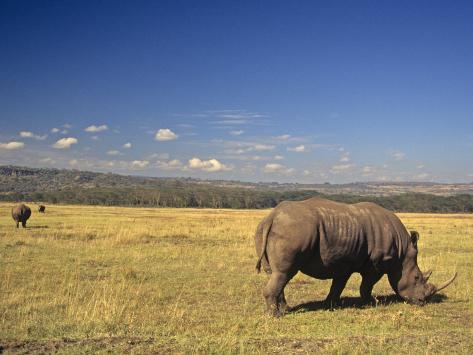
A white rhino grazing. These animals are critically endangered because of poaching for their horns. (https://www.allposters.com/-sp/White-Rhinoceros-Grazing-on-the-Savanna-Ceratotherium-Simum-an-Endangered-Species-Kenya-Africa-Posters_i6011208_.htm)
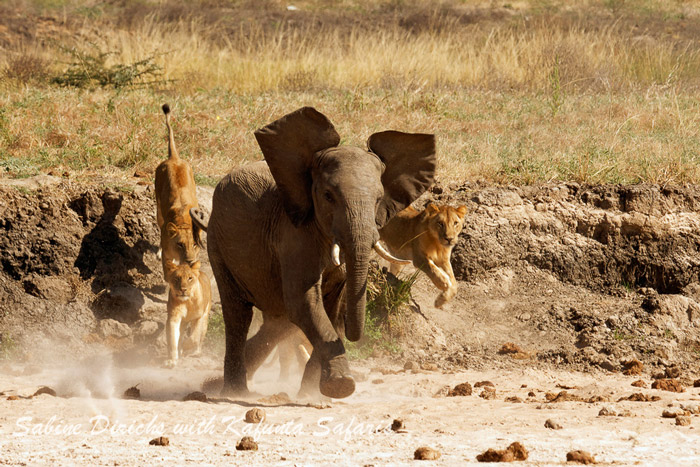
Lions use teamwork to hunt large prey, such as this young elephant (https://africageographic.com/blog/narrow-escape-for-young-elephant/)
Wildebeest face many hazards during their migration, including crossing rivers that are home to nile crocodiles. (http://www.missquinn.co.uk/?p=654)
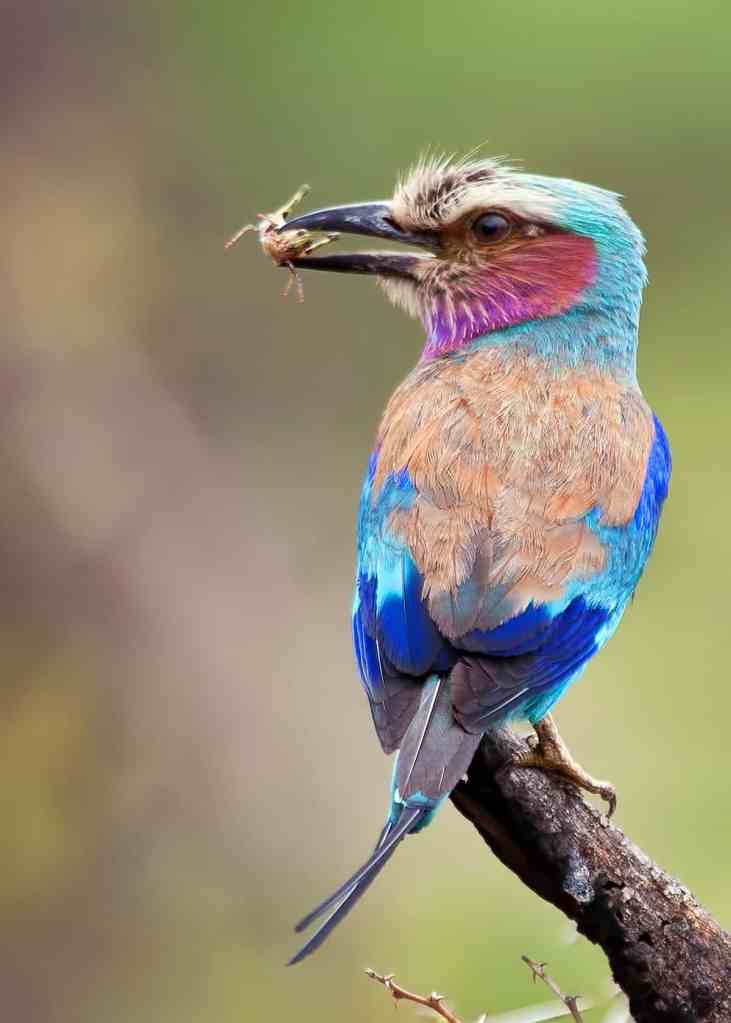
A lilac breasted roller eating an insect. These birds take advantage of wildfires by hunting fleeing insects near the flames.
(https://justbirding.com/lilac-breasted-roller-facts/)
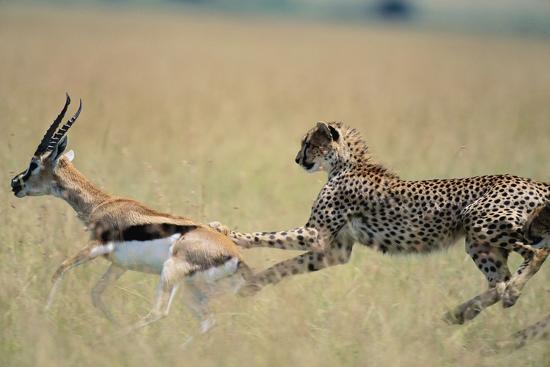
Cheetahs are very fast sprinters and can reach speeds of 70 miles an hour. The thomson’s gazelle is slower and reaches speeds of 50 miles an hour. The gazelle has greater endurance than the cheetah and can run further distances because of this. (https://imgcs.artprintimages.com/img/print/print/paul-souders-cheetah-chasing-thomson-s-gazelle_a-l-10583871-14258384.jpg?w=550&h=550)

Grasslands around the world are some of the most interesting and important places on Earth. They are home to many species and provide benefits to humans. It is important to protect grasslands so that they can be around for future generations.

References

Bengtsson, J., et al. “Grasslands-More Important for Ecosystem Services than You Might Think.” Ecosphere, vol. 10, no. 2, 7 Feb. 2019, doi:10.1002/ecs2.2582.

Peterson, John. “Characteristics of the Grassland.” Characteristics of the Grassland, Sciencing, 19 Apr. 2018, sciencing.com/characteristics-grassland-23689.html.

“Grasslands.” WWF, World Wildlife Fund, http://www.worldwildlife.org/habitats/grasslands.

Malysa, Sebastian. “Types of Grassland Ecosystems.” Sciencing, 2 Mar. 2019, sciencing.com/types-grassland-ecosystems-7454333.html.

Woodward, Susan. “Temperate Grasslands.” Biomes of the World, 2012, php.radford.edu/~swoodwar/biomes/?page_id=173.

“What Are Some Grassland Plant Adaptations?” Reference, IAC Publishing, http://www.reference.com/science/grassland-plant-adaptations-7b277967c3dc5d08.

Helzer, Chris. “Prairie Seed Dispersal.” The Prairie Ecologist, 28 Mar. 2011, prairieecologist.com/2010/12/20/prairie-seed-dispersal/.

Ericson, USFWS/Jenny. “Impacts of Grazing – Prescribed Grazing: Management Methods: Managing Invasive Plants.” Official Web Page of the U S Fish and Wildlife Service, 18 Feb. 2009, http://www.fws.gov/invasives/staffTrainingModule/methods/grazing/impacts.html.

“Saiga Antelope – Description, Habitat, Image, Diet, and Interesting Facts.” Animals Network, 18 Sept. 2018, animals.net/saiga-antelope/.

Melinda Weaver. (2014, May 25). Searching the Savanna. ASU – Ask A Biologist. Retrieved August 26, 2019 from https://askabiologist.asu.edu/explore/savanna

“Tropical Grassland (Savanna Biome): Climate, Precipitation, Location, Plants.” Earth Eclipse, 6 Aug. 2017, http://www.eartheclipse.com/ecosystem/tropical-grassland-savanna-biome.html.

“Acacias v Giraffes – a Uniquely African Tussle.” African Safari Consultants, 9 Dec. 2016, http://www.africansafaris.com/acacias-v-giraffes-a-uniquely-african-tussle/.

Plants of the Savanna. 28 May 2014, askabiologist.asu.edu/plants-savanna.

Shales, Melissa. “The Baobab: Fun Facts About Africa’s Tree of Life.” TripSavvy, TripSavvy, 26 June 2019, http://www.tripsavvy.com/fun-facts-about-the-baobab-tree-1454374.

“Serengeti Wildebeest Migration.” Serengeti Wildebeest Migration Explained with Moving Map, http://www.expertafrica.com/tanzania/info/serengeti-wildebeest-migration.

Haines, Drew. “23 Lilac Breasted Roller Facts (Coracias Caudatus).” JustBirding.com, 25 Feb. 2019, justbirding.com/lilac-breasted-roller-facts/.
The Carbon Cycle

Carbon is one of the most important elements on Earth. It is the building block of life, and it is found in the atmosphere, ocean, and in the Earth itself.

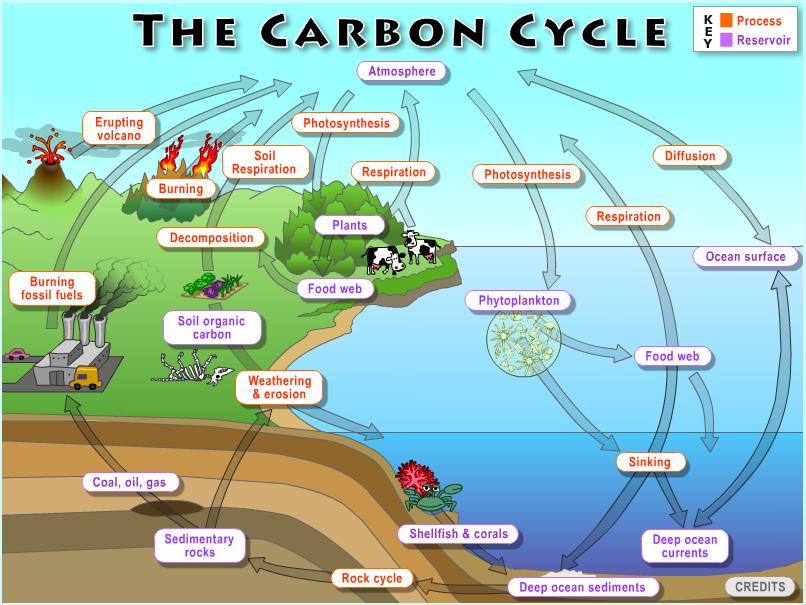
A diagram of the carbon cycle (https://serc.carleton.edu/earthlabs/carbon/lab_2.html)

How the Carbon Cycle Works

Carbon is found in all parts of the Earth and it cycles between them. There are carbon sinks which absorb carbon, and there are carbon sources which release carbon. There are three main carbon sinks: plant life, the ocean, and the soil. Carbon sources include volcanoes, fires, and fossil fuels.

Carbon in the atmosphere is mainly in the form of carbon dioxide. This molecule is made up of one carbon atom bound to two oxygen atoms. In the atmosphere carbon dioxide has an effect on the temperature of the Earth. It is a greenhouse gas, which means that it absorbs the energy from the sun after it reflects off of the Earth’s surface, which traps heat. Without this effect the Earth would be much colder and most of the water would be frozen.

Plants help to regulate the amount of carbon dioxide in the atmosphere by absorbing it so that they can produce their own food. They use the light from the sun and carbon dioxide to build sugars, another type of carbon based molecule. Carbon is also the building block for many other molecules essential to life such as DNA and proteins. The carbon from plants is then spread to animals through the food web. Some animals get their nutrients directly from plants while some consume other animals for theirs. Plants and animals release some carbon dioxide back into the atmosphere during cellular respiration, but this is less than the amount that plants absorb. Through this process carbon is stored inside of living things.

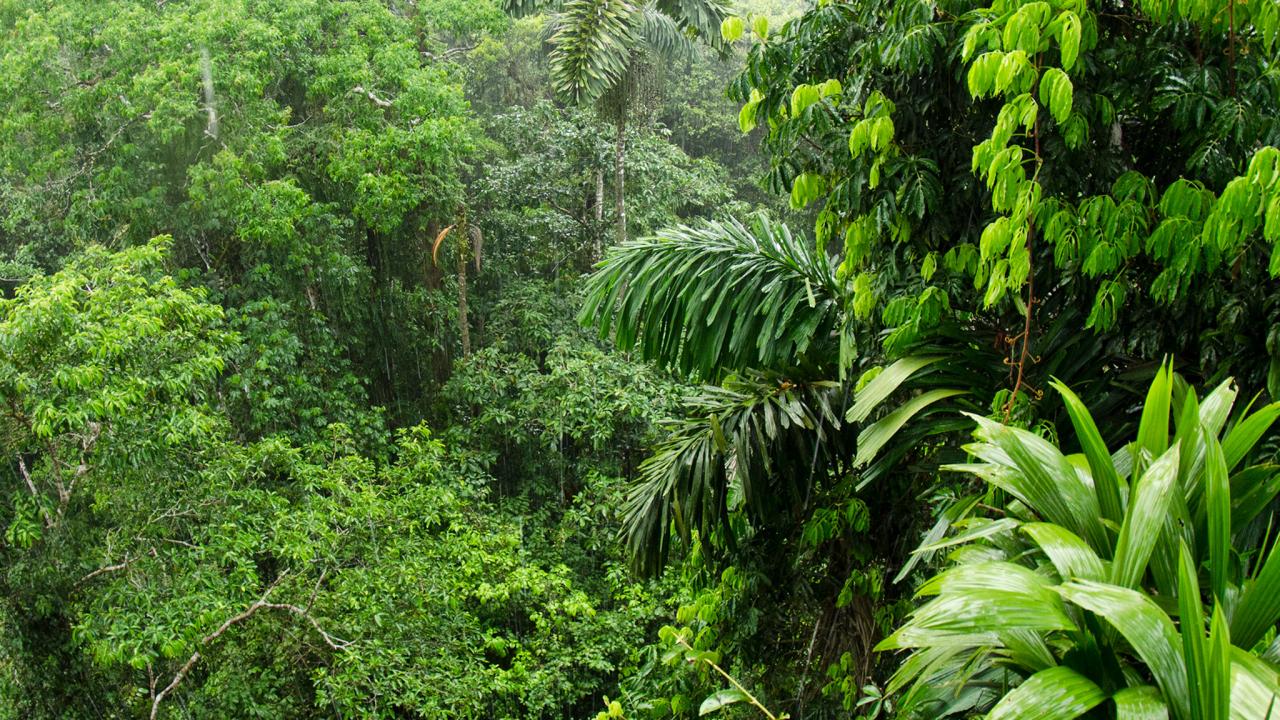
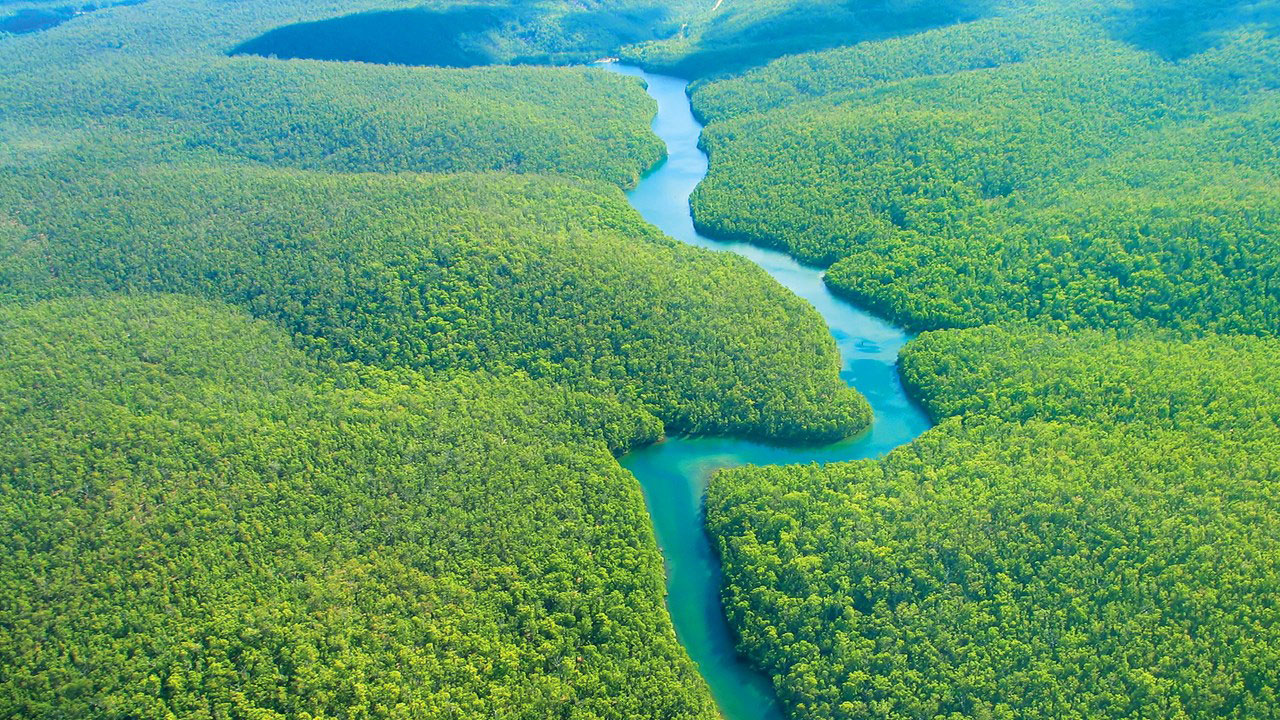
Rainforests, like the Amazon pictured above, are some of the most important carbon sinks in the world. (https://www.theschoolrun.com/homework-help/rainforest-habitats)

The ocean acts as a carbon sink in a few different ways. Phytoplankton are microscopic organisms that live in the ocean and are capable of photosynthesis. Just like plants on land they use carbon dioxide to make their own food, and then supply carbon to the other organisms in the ocean. Carbon dioxide is also exchanged between the atmosphere and the ocean surface. This exchange depends on the amount of carbon dioxide in the air and in the ocean. If there is more carbon dioxide in the air the ocean will absorb some. If there is more in the ocean than carbon dioxide will be released to the atmosphere. The temperature of the ocean also plays a role as cooler waters are able to absorb more carbon dioxide.

Many ocean animals have shells that are made up of calcium carbonate, another carbon based molecule. When these creatures die their shells sink to the bottom of the ocean. After millions of years and a lot of heat and pressure from the Earth these are transformed into limestone. This process traps carbon in the crust of the Earth and prevents it from going back into the atmosphere.

The soil also holds a lot of carbon. Carbon from plant roots and from decaying plants and animals feeds microorganisms in the soil. This causes some carbon to go into the soil, although some of the carbon from decaying plants and animals is also lost to the atmosphere.These decaying plants and animals can also become fossil fuels, like coal and oil, by being buried and subjected to heat and pressure inside of the Earth for hundreds of millions of years. This causes carbon to be locked inside of the Earth and kept out of the carbon cycle for a very long time.

The natural carbon sources are volcanoes and fires. Volcanoes release carbon dioxide that was stored inside of the Earth. Magma from the mantle contains dissolved carbon dioxide and this is released from volcanic vents. Wildfires are also a source of carbon. Combustion breaks down the fuel that is being burnt and releases carbon dioxide. Wildfires generally burn plant matter such as forests or grasslands and release the carbon that was stored inside of the plants.

Humans Effect on the Carbon Cycle

Humanity has affected the way that the carbon cycle works by adding new carbon sources. The largest of these are the burning of fossil fuels. This began during the Industrial Revolution with the use of coal, which was burnt for energy. This was very beneficial to humanity and helped create modern society as we know it. The amount of fossil fuels being used increased over time. Crude oil and natural gas were also exploited. There was a downside from this because the carbon that was locked away in fossil fuels was now released into the atmosphere.

We have also changed the carbon cycle through our use of land. One way that this has happened is through deforestation. One of the most widely used methods for deforestation is called slash and burn. In this method all of the trees are cut down and everything that is left is burned. This releases all of the carbon stored in the forest into the atmosphere. Humans have replaced a vast amount of natural ecosystems around the world with cities and agriculture, which causes the loss of carbon sinks.

Changes in the Carbon Cycle and Climate Change

As mentioned previously, carbon dioxide is a greenhouse gas and traps heat in the atmosphere which warms the planet. Burning fossil fuels has added more greenhouse gases to the atmosphere. Additional greenhouse gases in the atmosphere are causing problems and will continue to in the future. The increase in carbon dioxide has caused the Earth to warm. This is affecting weather around the world and will result in a changed climate. These warmer temperatures cause the loss of glaciers, more intense droughts, increased wildfires, and stronger storms. It will also cause ocean levels to rise from polar melt water entering the ocean and increase coastal flooding and storm surges. These effects can hurt food production and will cause problems for human civilization if we do not switch from fossil fuels to cleaner sources of energy.

References

US Department of Commerce, and National Oceanic and Atmospheric Administration. “What Is the Carbon Cycle?” NOAA’s National Ocean Service, 2 Apr. 2019, oceanservice.noaa.gov/facts/carbon-cycle.html.

“The Carbon Cycle.” Khan Academy, Khan Academy, http://www.khanacademy.org/science/high-school-biology/hs-ecology/hs-biogeochemical-cycles/v/carbon-cycle.

“Volcanoes and the Carbon Cycle.” Interviews | Naked Scientists, http://www.thenakedscientists.com/articles/interviews/volcanoes-and-carbon-cycle.

“What Are Carbon Sinks and What Are Natural and Artificial Carbon Sinks?” Conserve Energy Future, 8 June 2019, http://www.conserve-energy-future.com/carbon-sinks.php.

“Sources & Sinks.” The Environmental Literacy Council, enviroliteracy.org/air-climate-weather/climate/sources-sinks/.

“Climate Science Glossary.” Skeptical Science, skepticalscience.com/volcanoes-and-global-warming.htm.

“The Greenhouse Effect.” The Greenhouse Effect | UCAR Center for Science Education, scied.ucar.edu/longcontent/greenhouse-effect.

Wylie, Robin. “Long Invisible, Research Shows Volcanic CO2 Levels Are Staggering (Op-Ed).” LiveScience, Purch, 15 Oct. 2013, http://www.livescience.com/40451-volcanic-co2-levels-are-staggering.html.

Bats

Bats are one of the most feared and misunderstood creatures, but they are extremely important to environments all over the Earth.

The lesser short-nosed fruit bat is found in Southeast Asia and has an affinity for mangoes. (https://en.wikipedia.org/wiki/Lesser_short-nosed_fruit_bat)

What are Bats?

Bats are a type of mammal and are in the order, Chiroptera. They are one of the most diverse types of mammals with over 1,300 known species. They are found nearly everywhere on Earth, with the exception of Antarctica and the Arctic. Bats can be found in nearly every type of habitat and are even a common site in cities.

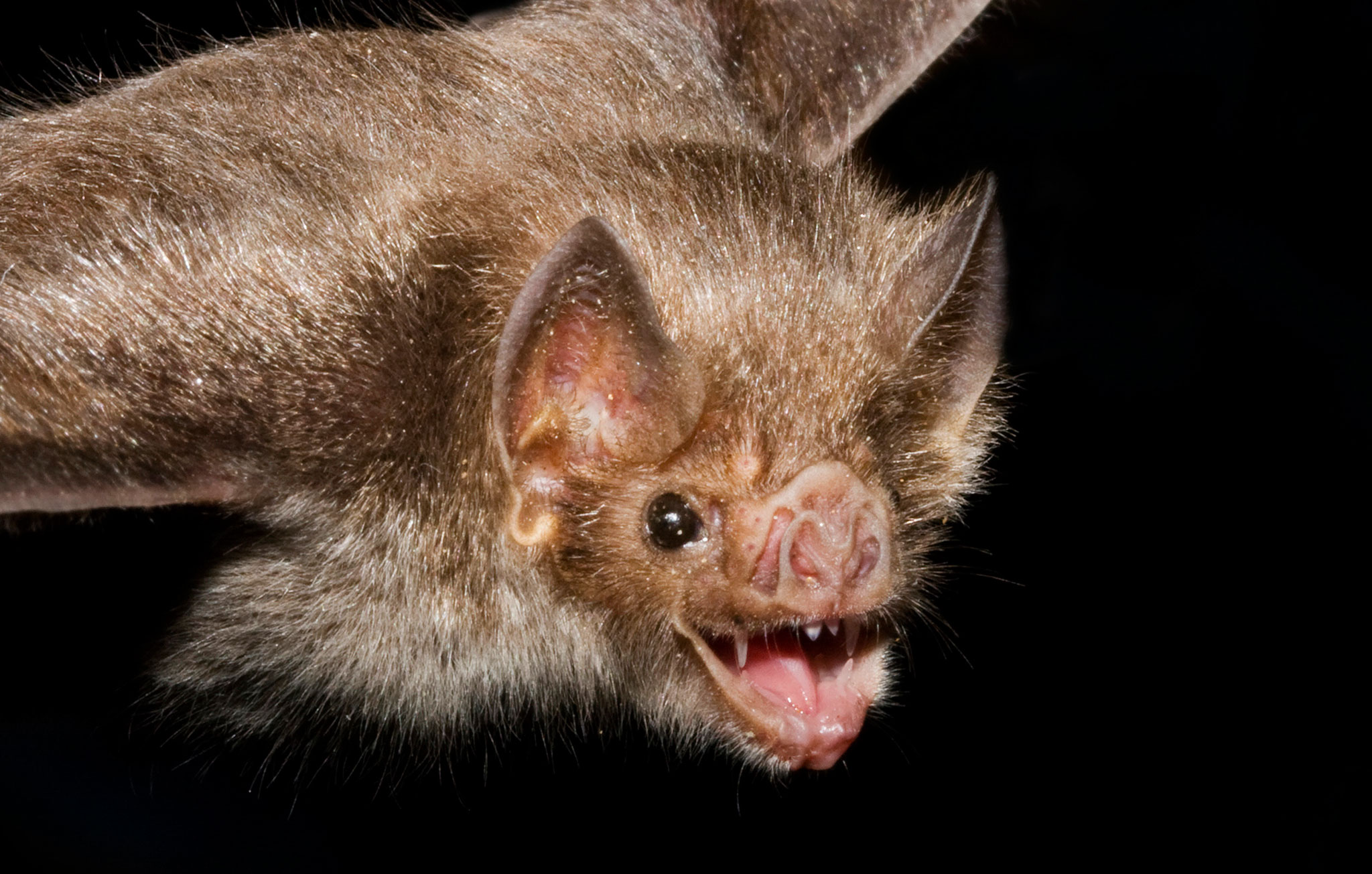
The vast majority of bats are nocturnal, meaning they are active at night. Bats often roost in caves or hollow parts of trees during the day and come out at night to feed. Different species of bats have different diets. Many bats feed on insects, fruit, and pollen. Some bats are predators and eat small animals such as rodents, reptiles, and fish. The vampire bat is unique as it feeds on the blood of sleeping animals.

Vampire bats feed on the blood of sleeping mammals and birds. They bite the animal and lick up the blood from the wound. They need to eat a lot and have even been known regurgitate blood to feed other hungry bats. They are found throughout Latin America. (https://www.nationalgeographic.com/news/2015/11/151117-vampire-bats-blood-food-science-animals/)

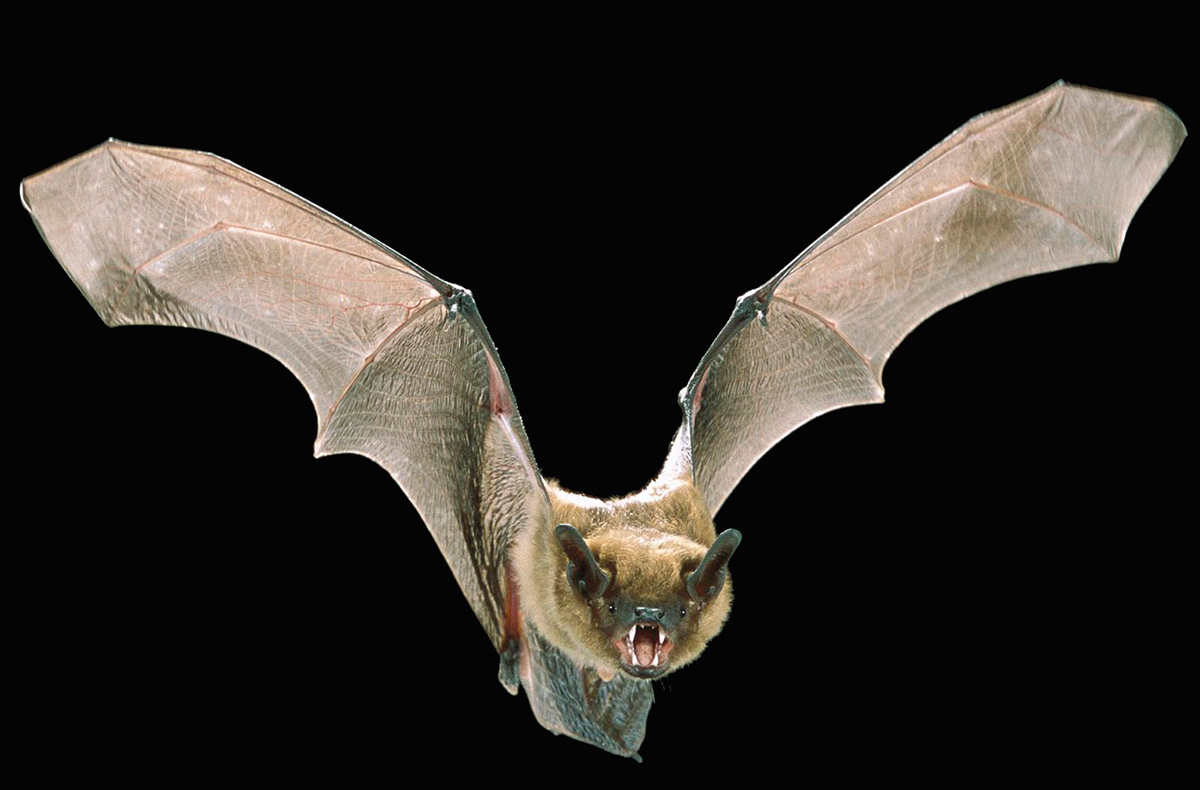
The big brown bat eats insects including mosquitoes, gnats, beatles, and moths. Each bat can eat up to 1,200 insects an hour, helping to control insect populations. This bat is found throughout North America. (https://whyfiles.org/2013/stopping-the-slaughter-of-the-bats/)

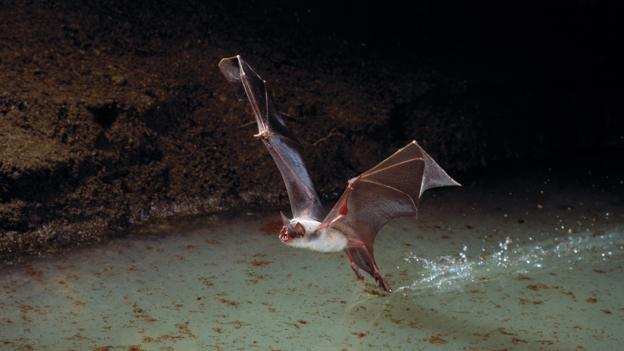
The greater bulldog bat is found in South America and feeds on insects during the wet season and fish during the dry season. (http://www.bbc.co.uk/earth/story/20160331-the-worlds-loudest-animal-might-surprise-you)

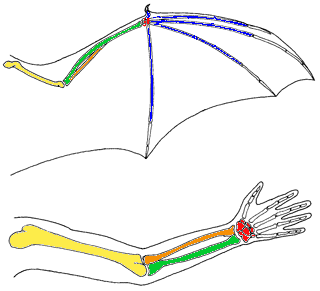
Bats are the only type of mammal that can fly. Their forelimbs have been modified into wings that can sustain flight. They have the same type of bones in their wings that we have in our arms. Their bones have been elongated and have a thin membrane of skin stretching between them. Their wings do not generate as much lift as bird wings, but their wings are more flexible and allow them to be more maneuverable.

This image shows how human arms and bat wings have the same types of bones but they have been modified for different uses. (http://www2.ville.montreal.qc.ca/biodome/mvc/sitetexte/index.php?lg=en&section=121chiropteres&lemenue=12)

Bats have a heightened sense of hearing. Many species are able to emit ultrasonic sounds with their nose or mouth. These sounds are quite loud but are at a frequency that is too high pitch for our ears. Bats can hear the echoes of these sounds. This helps them picture their surroundings and allows them to navigate in the darkness and to find food.

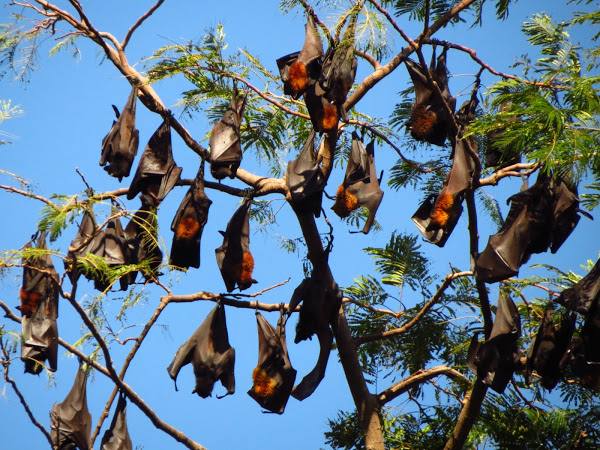
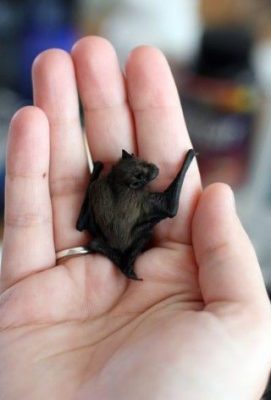
Bats come in a variety of sizes. The largest bats are the flying foxes, which can have a wingspan of up to 6 feet and can weigh around 3 pounds. The smallest bat is the bumblebee bat which has a wingspan of 6 inches and weighs 0.07 ounces.

The golden crowned flying fox is the largest bat in the world and is found in the Philippines. It feeds on fruit. (https://www.projectnoah.org/spottings/552656003)

The bumblebee bat is the smallest mammal in the world. It feeds on insects and lives in Thailand. (http://animalstime.com/bumblebee-bat-facts/)

Bats Role in the Environment

Bats play a critical role in the environment. Many bats are pollinators and feed on nectar. They spread pollen between plants and help them reproduce. (For more on pollinators check out my post on pollinators https://wordpress.com/read/blogs/163426106/posts/38). After plants have been fertilized they produce fruit to attract animals to spread their seeds. Fruit bats are very important in this process. When they eat fruit the seeds pass through their digestive system and are spread throughout the environment through their excrement. Insect eating bats can be helpful for humans. Bats can eat between 50% and 100% of their body weight in insects. These insects include pests that cause damage to crops and gardens. They also feed on mosquitoes which can carry disease, as well as gnats which can be very annoying when trying to enjoy the outdoors. Without bats preying on these insects their numbers would increase and they would cause even more problems than they already do.

Bat Conservation

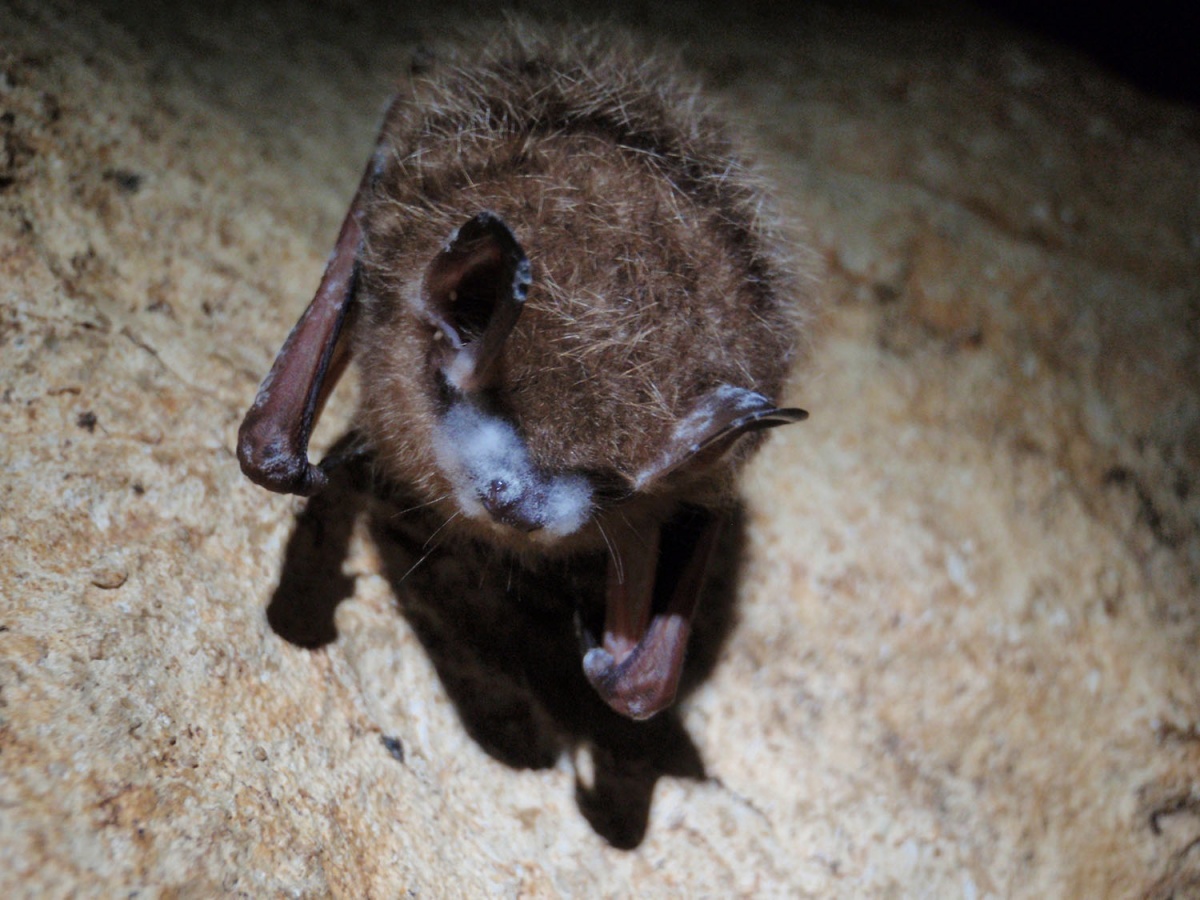
Bats face many threats to their survival. One of the main threats is habitat destruction and the destruction of their roosting sites. Many bats are killed by humans because they are misunderstood and feared. Bats are not dangerous to humans and are fearful of humans. A major problem in North American bat populations is White Nose Syndrome. This is caused by a fungus that infects hibernating bats. This fungus grows on the bat’s nose and causes bats to wake up more often during hibernation. This causes bats to use their fat stores too quickly and they starve to death before the end of hibernation.

A bat with white-nose syndrome. This fungus has devastated populations of some North American bat species. (https://www.doi.gov/blog/13-facts-about-bats)

How to Help

There are a few ways to help bats. One way is to not disturb hibernating bats. Try not to explore caves when bats are hibernating. This can cause bats to wake up from their deep sleep and use their fat stores too quickly. It is also important not to cause white nose syndrome to spread. While the fungus does not affect humans it can be carried by humans. Make sure to disinfect clothing and shoes worn in a cave before going to another cave. You can do this by putting clothing in water that is 140° F. for twenty minutes. Another way to help bats is to build bat houses. These provide roosts for bats and can help them survive if their natural roosts are destroyed.

References

Bradford, Alina. “Bats: Fuzzy Flying Mammals.” LiveScience, Purch, 24 Oct. 2018, http://www.livescience.com/28272-bats.html.

“Bat.” Wikipedia, Wikimedia Foundation, 27 June 2019, en.wikipedia.org/wiki/Bat.

Harris, Tom. “How Bats Work.” HowStuffWorks, HowStuffWorks, 1 June 2001, animals.howstuffworks.com/mammals/bat1.htm.

Sartore, Joel. “Common Vampire Bat.” National Geographic, 21 Sept. 2018, http://www.nationalgeographic.com/animals/mammals/c/common-vampire-bat/.

“How Many Bugs Does a Bat Eat in a Night?” Reference, IAC Publishing, http://www.reference.com/pets-animals/many-bugs-bat-eat-night-4725d224c321716.

“Bat.” San Diego Zoo Global Animals and Plants, animals.sandiegozoo.org/animals/bat.

“Bumblebee Bat Facts: Kitti’s Hog-Nosed Bats.” Animals Time, 8 Mar. 2016, animalstime.com/bumblebee-bat-facts/.
“Bat Echolocation.” Department of Natural Resources, dnr.maryland.gov/wildlife/Pages/plants_wildlife/bats/batelocu.aspx.
“What Is White-Nose Syndrome? (U.S. National Park Service).” National Parks Service, U.S. Department of the Interior, 8 Dec. 2017, http://www.nps.gov/articles/what-is-white-nose-syndrome.htm.

Helmenstine, Anne Marie. “This Disease Is Devastating Bat Colonies in North America.” ThoughtCo, ThoughtCo, 4 June 2019, http://www.thoughtco.com/white-nose-syndrome-bats-4589807.

“13 Awesome Facts About Bats.” U.S. Department of the Interior, 24 Oct. 2018, http://www.doi.gov/blog/13-facts-about-bats.

Biomes of The World: Forests

Forests are one of the most important biomes due to their high biodiversity and because of their many ecosystem services. ( https://www.zmescience.com/other/did-you-know/different-types-forests/)

Different Types of Forests

Forests are ecosystems that are dominated by trees. They are found all over the world in a variety of climates and they cover about 1/3 of the Earth’s land surface. There are different types of forests and they are defined by the types of trees and the climate of the region. There are two types of trees, broadleaf and coniferous. Broadleaf trees have large leaves while coniferous trees have needles and use cones to disperse their seeds. Another way to categorize trees are if they are deciduous or evergreen. Deciduous trees are broadleaf trees that lose all of their leaves at the same time. Evergreen trees do not lose all of their leaves at once and stay green year round. These are mostly coniferous trees, although some tropical broadleaf trees do not lose their leaves. The different types of forests are: tropical rainforest, subtropical rainforest, subtropical dry forest, monsoon forest, temperate broadleaf forest, and taiga.

All of these forests have different layers. The forest floor is the soil. This is where tree roots are as well plants and ground dwelling animals. It is difficult for small plants to grow here because the tall trees block a lot of the light. There is also a lot of decaying plant material here as well. There are many types of fungi, such as mushrooms that grow here. They help to decompose the waste on the forest floor. The next layer is the understory. This layer is made up of young trees and taller shrub species. These plant species must also be adapted to grow with low levels of light. The canopy is the next layer and it is made up of the tops of mature trees. The final layer is the emergent layer. This layer is made up of tall trees that extend beyond the canopy. This layer is not found in every forest. Animals can be found in all layers of the forest. Some plants, such as vines grow on trees and can be found in all of the layers as well.

All forests provide similar ecosystem services. The wood from trees provides us with building materials and paper. Important medicines have been created from plants found in forests. Many forests provide us with food from the plants and animals that live in them. Some forests have fertile soils that have been used for agriculture. Forests are also a great recreational resource. Forests can also help protect humans. The trees in a forest can lessen the impacts of flooding by providing a barrier to halt the flow of floodwaters and helping the soil to absorb more of the water. Forests are also incredibly important in the fight against climate change. They absorb carbon dioxide and use it to produce food for themselves in the process of photosynthesis.

Tropical and Subtropical Rainforests

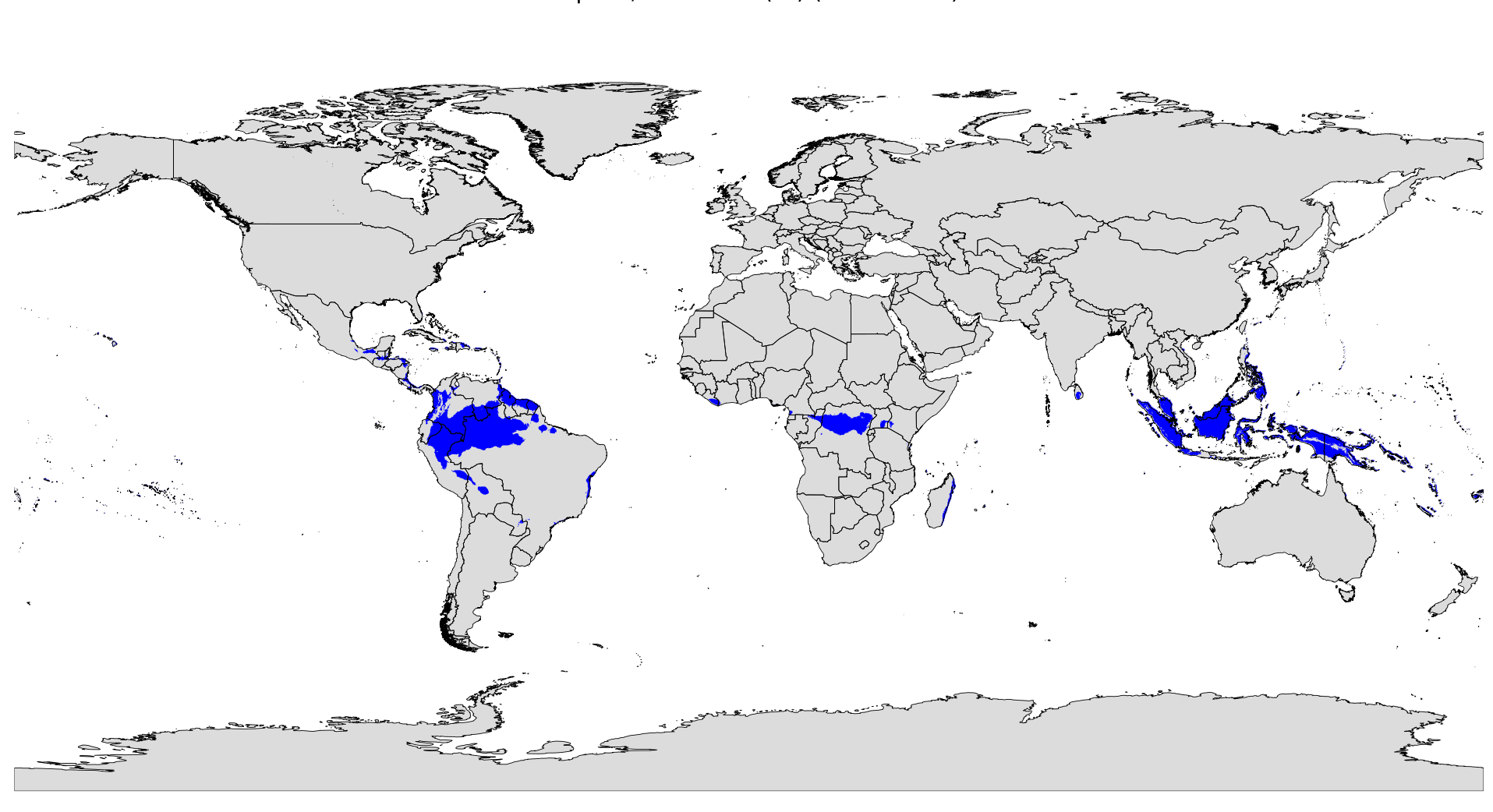
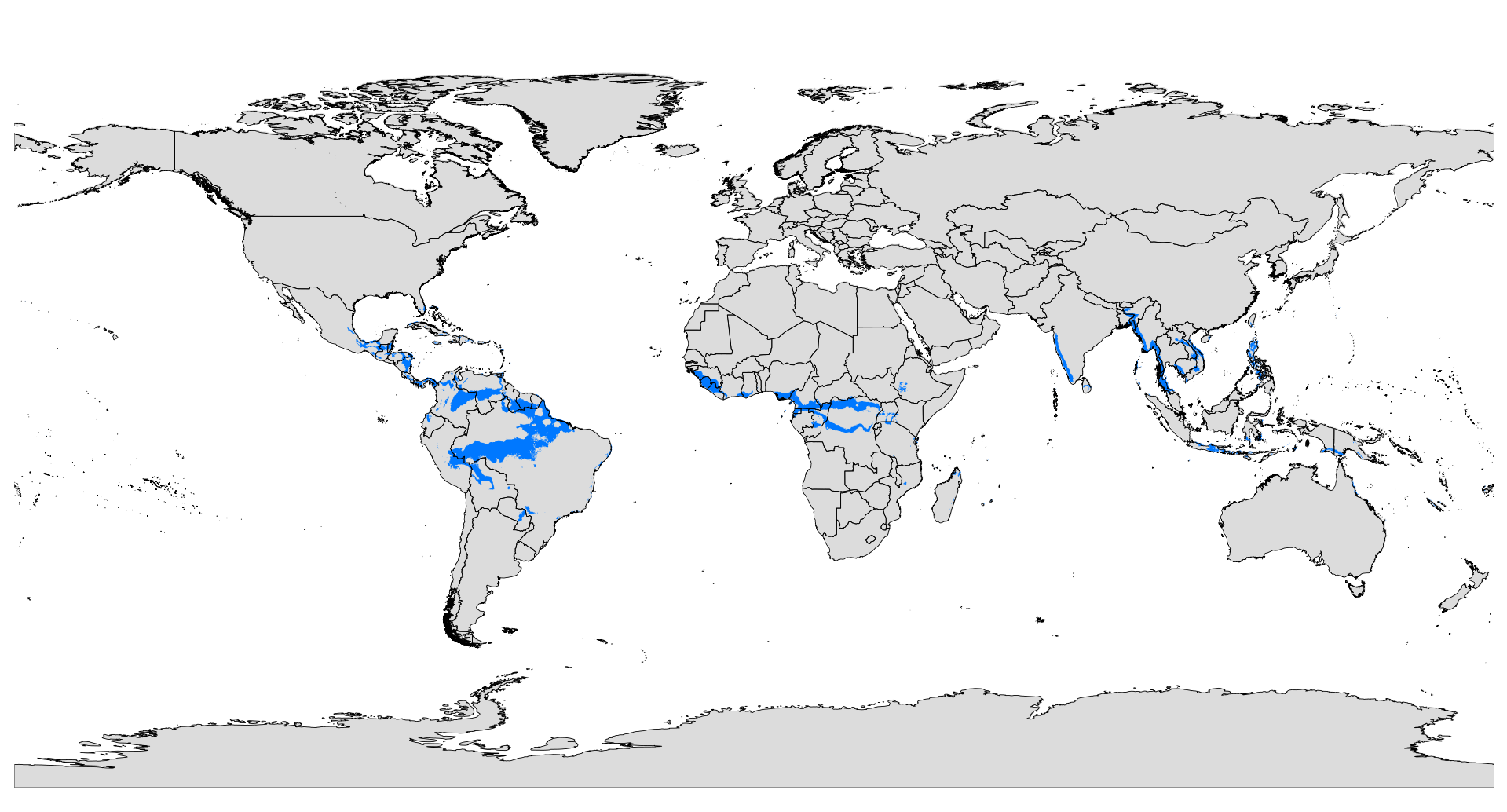
A map of the tropical and subtropical rainforests (https://en.wikipedia.org/wiki/Tropical_rainforest)

Tropical rainforests and subtropical rainforests are very similar. Tropical rainforests are found along the equator. Subtropical rainforests are near the equator, but are a bit closer to the temperate latitudes. They are both hot and humid due to their location on the planet. The typical temperature range is 21- 30 degrees celsius (70- 85 degrees Fahrenheit). The humidity is between 70 and 90%. As the name suggests they receive large amounts of rain, between 60 and 160 inches per year. They have seasonal changes in the amount of rain they receive because of a wet and dry season. The dry season has less rain, but it is usually not completely dry. Subtropical rainforests often have a more distinct wet and dry season. Most of the trees in these forests do not lose their leaves and they are considered evergreen.

The soils in these forests are low in nutrients. Most of the soil nutrients are quickly used by plants or they are washed away by rainwater. This means that the nutrients are mainly stored in the plants. When they die the decomposition process happens quickly because of the diversity of decomposers and because of the high heat. The topsoil that contains the nutrients is very thin. When the forest is cleared for crops it only takes a few years until the soil is no longer fertile.

Tropical and subtropical rainforests have a large amount of biodiversity in a small area. It is estimated that rainforests contain half of the terrestrial species on the planet while only making up 6% of the Earth’s surface. Many of the species living in the rainforests have not been described by science and have yet to be studied.

The Amazon Rainforest, the largest rainforest on Earth. (https://www.sciencemag.org/news/2015/03/amazon-rainforest-ability-soak-carbon-dioxide-falling)

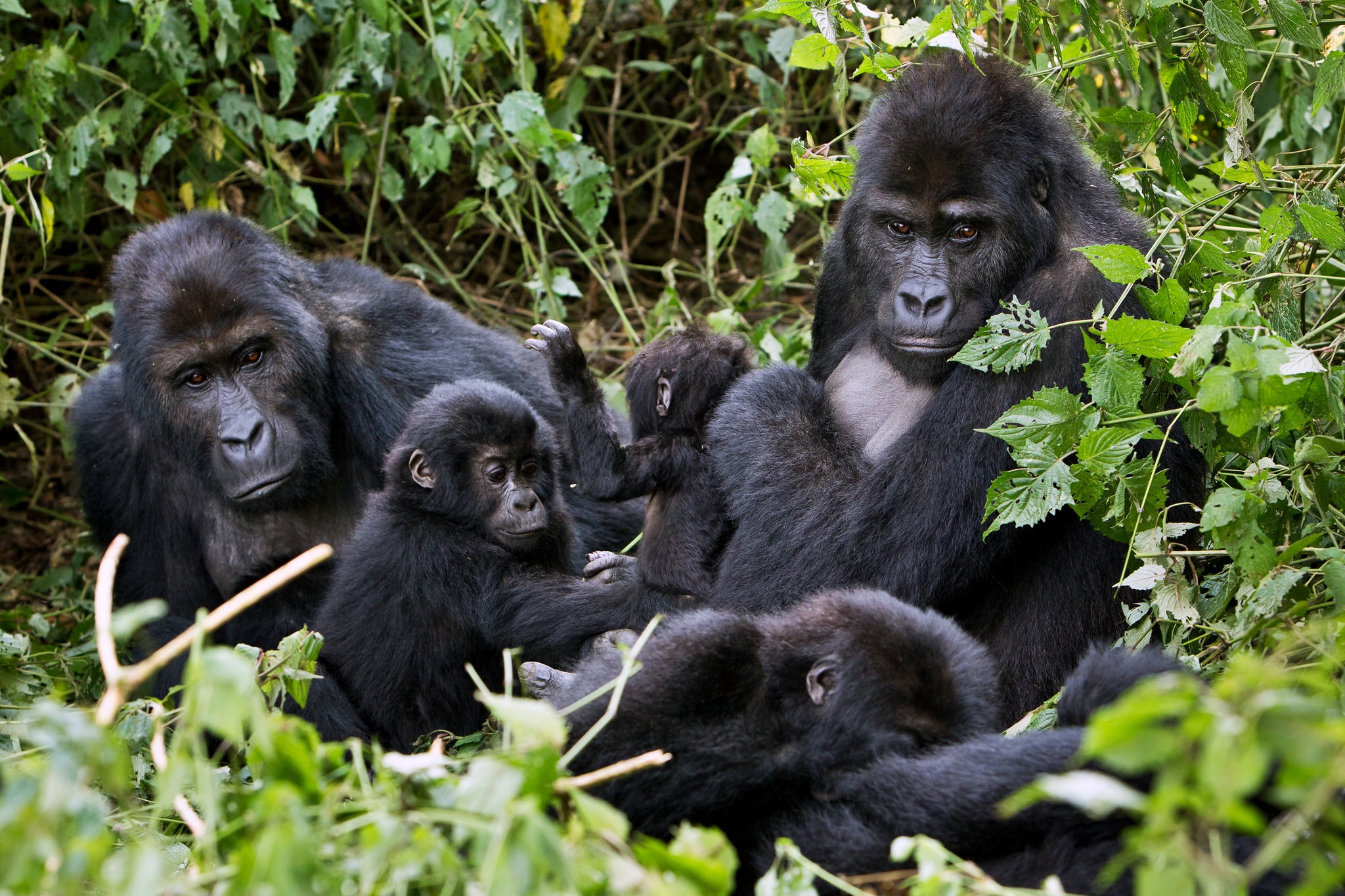
Eastern lowland gorillas are found in the Congolese Rainforest , the second largest rainforest on Earth. (https://www.nytimes.com/2016/04/26/science/victims-of-a-new-african-massacre-gorillas.html)

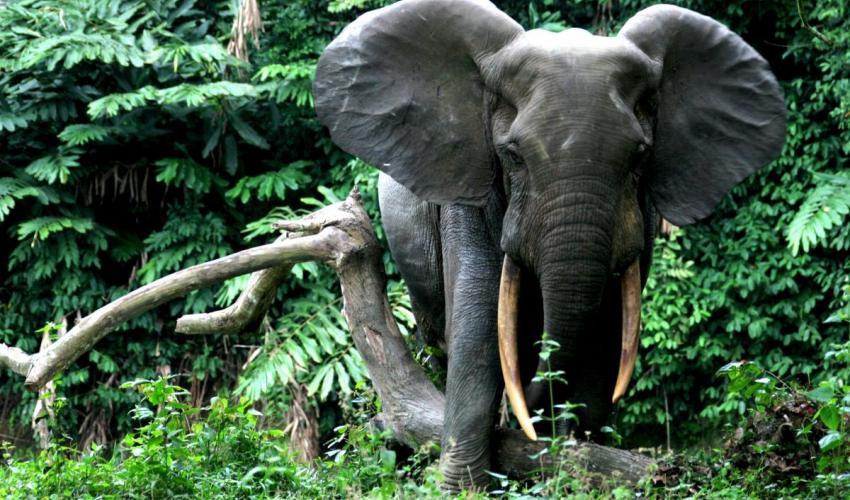
African forest elephants are found in the Congolese Rainforest and are a separate species from elephants found on the savanna. (https://www.iucn.org/news/species/201609/poaching-behind-worst-african-elephant-losses-25-years-%E2%80%93-iucn-report)

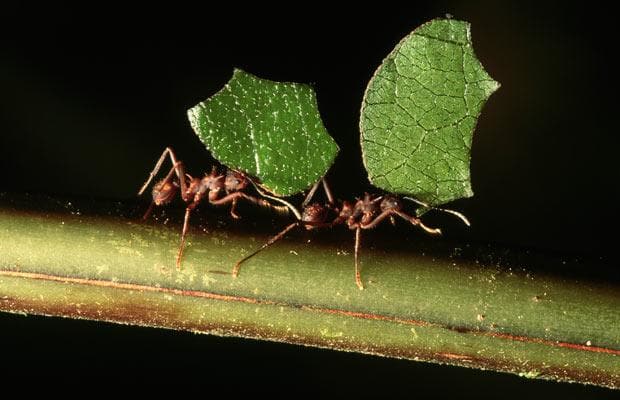
Different species of leafcutter ants are found throughout Latin American rainforests. These are some of the strongest animals in the world relative to their body weight. (http://app.emaze.com/@aoilwfcz/#1)

Subtropical Dry Forest

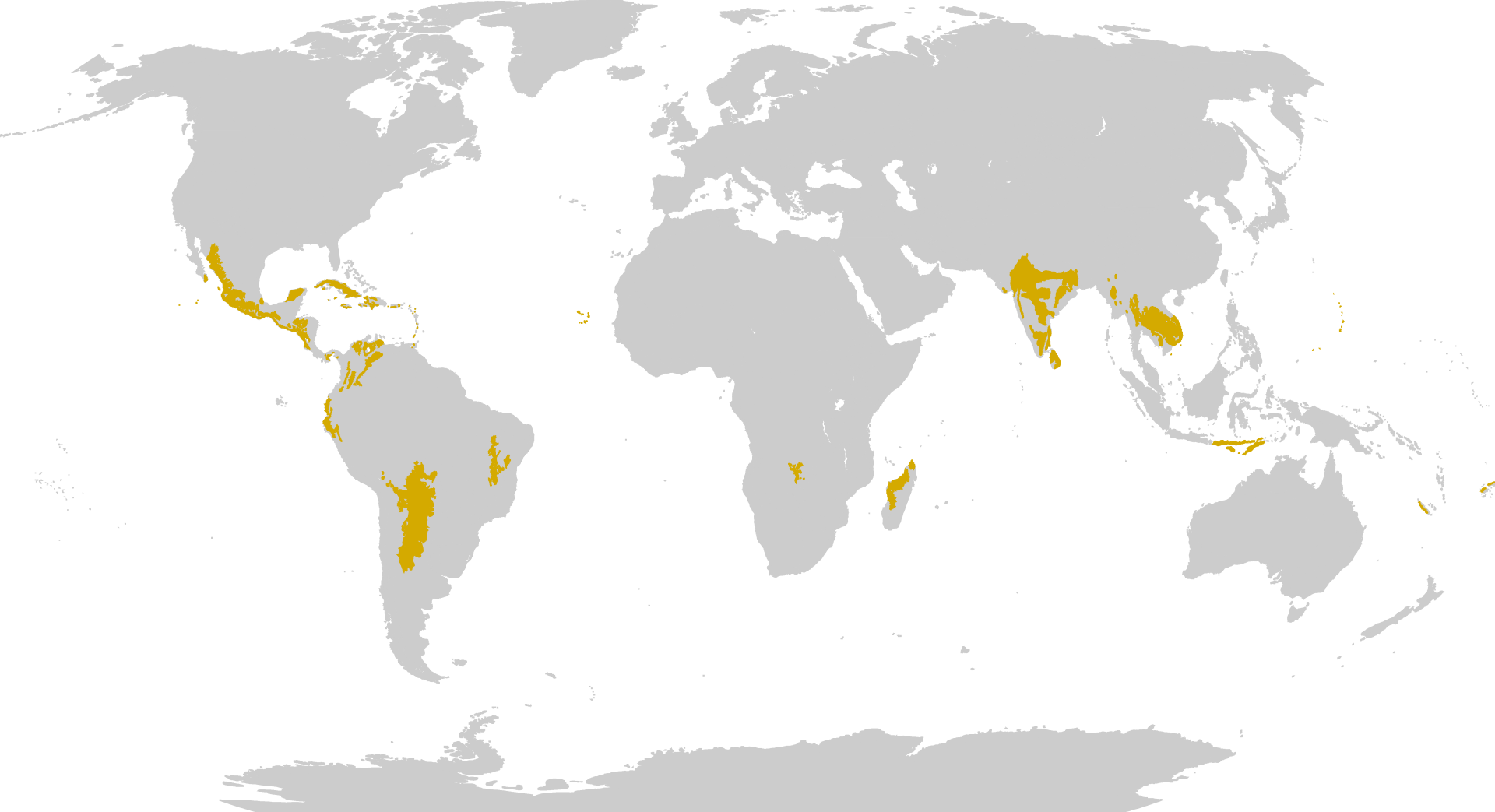
A map of the subtropical dry forests (https://en.wikipedia.org/wiki/Tropical_and_subtropical_dry_broadleaf_forests)

Subtropical dry forests are found in the same regions as the subtropical rainforests. They are usually further north or south of the rainforests where the climate is somewhat drier. They are about the same temperature as tropical and subtropical rainforests. Despite their name, dry forests can still have several hundred centimeters of rain per year. They have a much longer dry season, which can last for several months. Organisms in these forests are adapted to survive the droughts. Many of the trees in the dry forest are deciduous, meaning that they lose their leaves. This happens during the dry season so that the trees can retain water. Without leaves, trees do not block as much of the sun’s light. This helps shorter plants grow on the forest floor. The soils in dry forests are similar to rainforests with nutrients either being used quickly or washed away by rain. Dry forests have a large amount of diversity, although it is much less than the rainforests. Many of the organisms in dry forests are endemic, meaning they are found in only one location. Dry forests tend to be more open which allows for more large mammals.

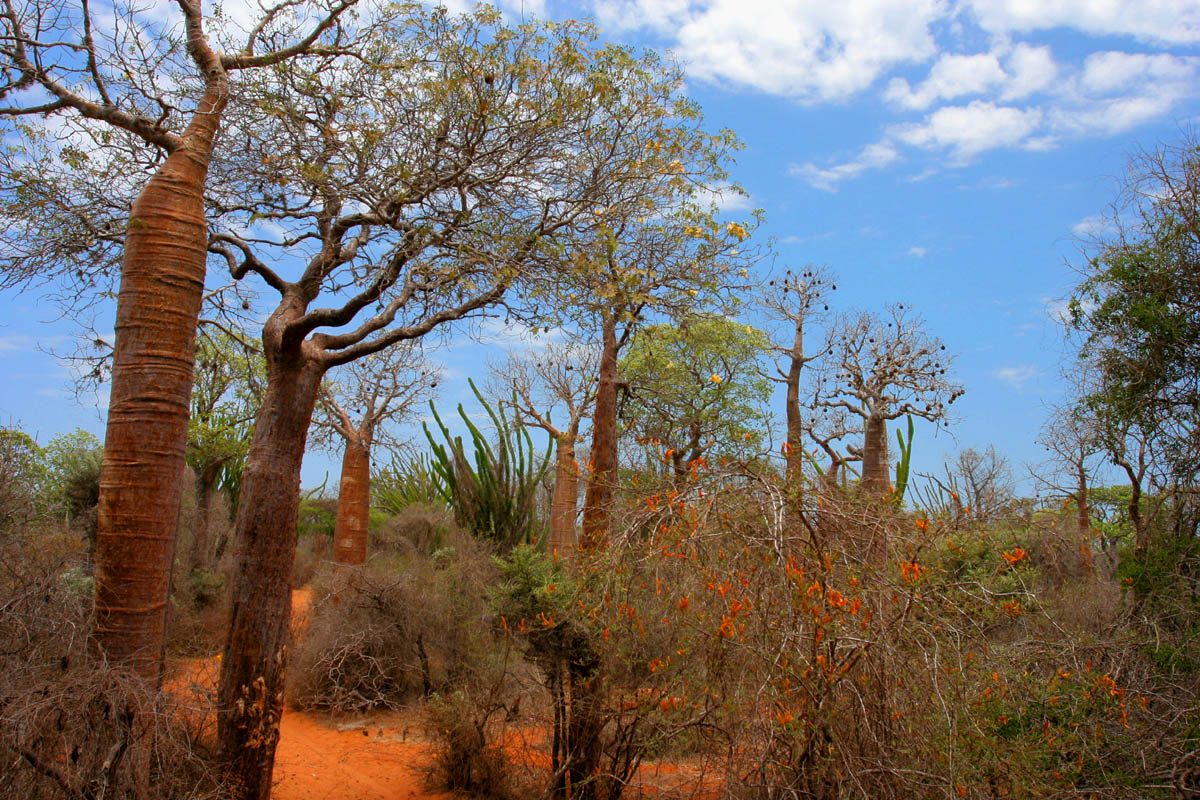
A dry forest in Madagascar (https://en.wikipedia.org/wiki/Madagascar_spiny_forests)

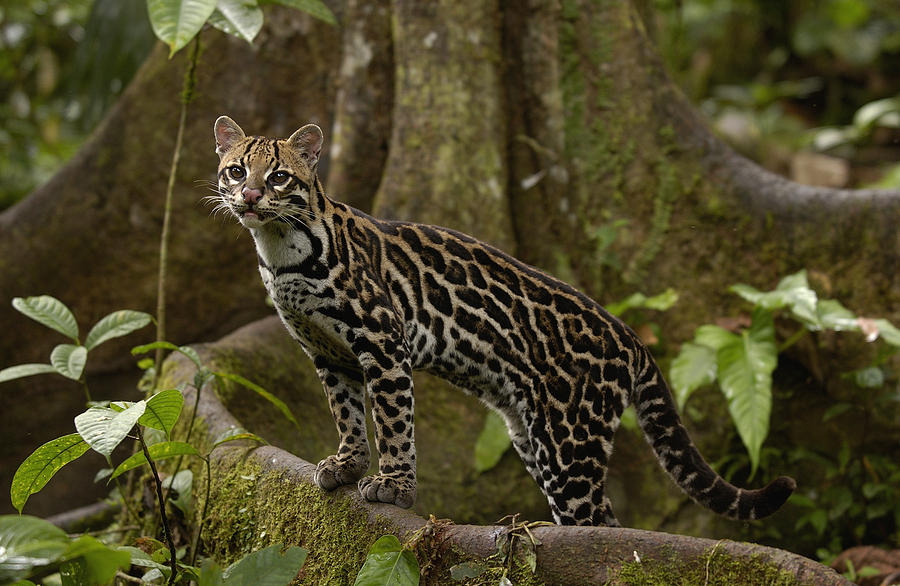
The ocelot is found in rainforests and dry forests in Latin America http://bio227fall2015-07.blogspot.com/2015/12/the-ocelot_2.html

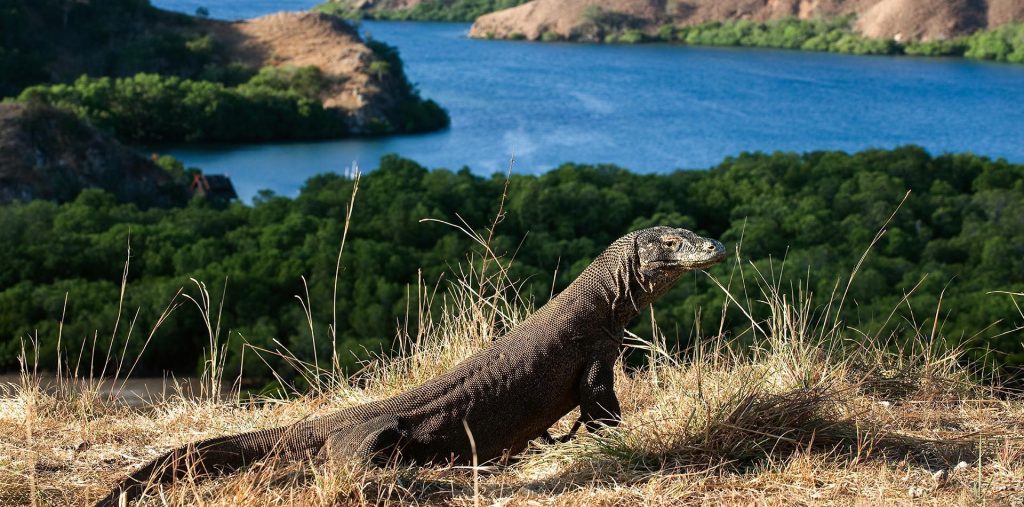
The komodo dragon is native to Komodo Island in Indonesia (https://pranabyatzaro.com/blog/wild-facts-about-komodo-dragon/)

Monsoon Forest

A map showing locations that have monsoon climate (https://en.wikipedia.org/wiki/Tropical_monsoon_climate)

Monsoon forests are a type of dry forest. They are found near the equator and are warm year round because of this. These forests have wet and dry seasons just like other dry forests. The wet seasons are very extreme because of monsoon rains which are caused by the movement of air in the atmosphere. During the dry season the wind blows from the land to the ocean, which limits the amount of precipitation the land receives. The air flow changes during the monsoon season when the wind blows from the ocean to the land. This brings heavy rains and floods. The heavy rains wash away a lot of the soil nutrients just like rainforests and other dry forests.

These forests have a high amount of biodiversity just like the other warm climate forests. A wide variety of plants and animals live here. Plants are adapted to survive the extremes in precipitation. During the dry season trees lose their leaves to conserve water. They also have deep roots to provide stability during floods and to tap into groundwater during the dry season. The leaves also point downward to allow water to run off quickly.

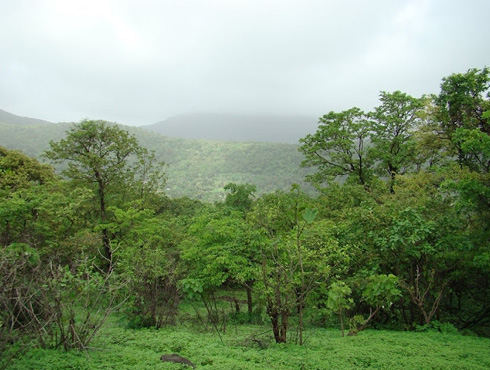
Monsoon forest in India (http://www.geographynotes.com/climate/monsoon-climate/monsoon-climate-location-and-natural-vegetation-climatologygeography/2866)

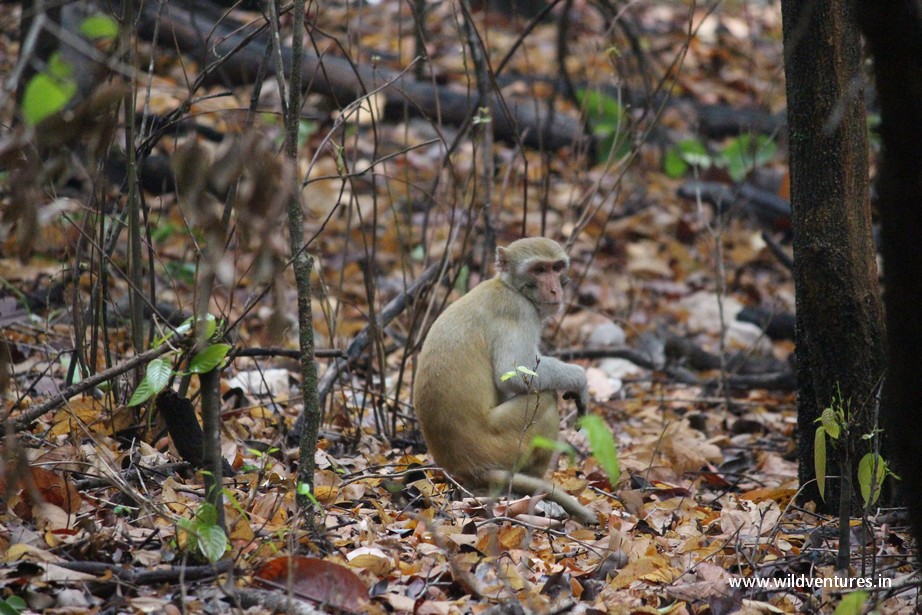
A rhesus macaque, a type of monkey found throughout India (http://wildventures.in/kanha-tiger-reserve-experience/)

Temperate Broadleaf Forest

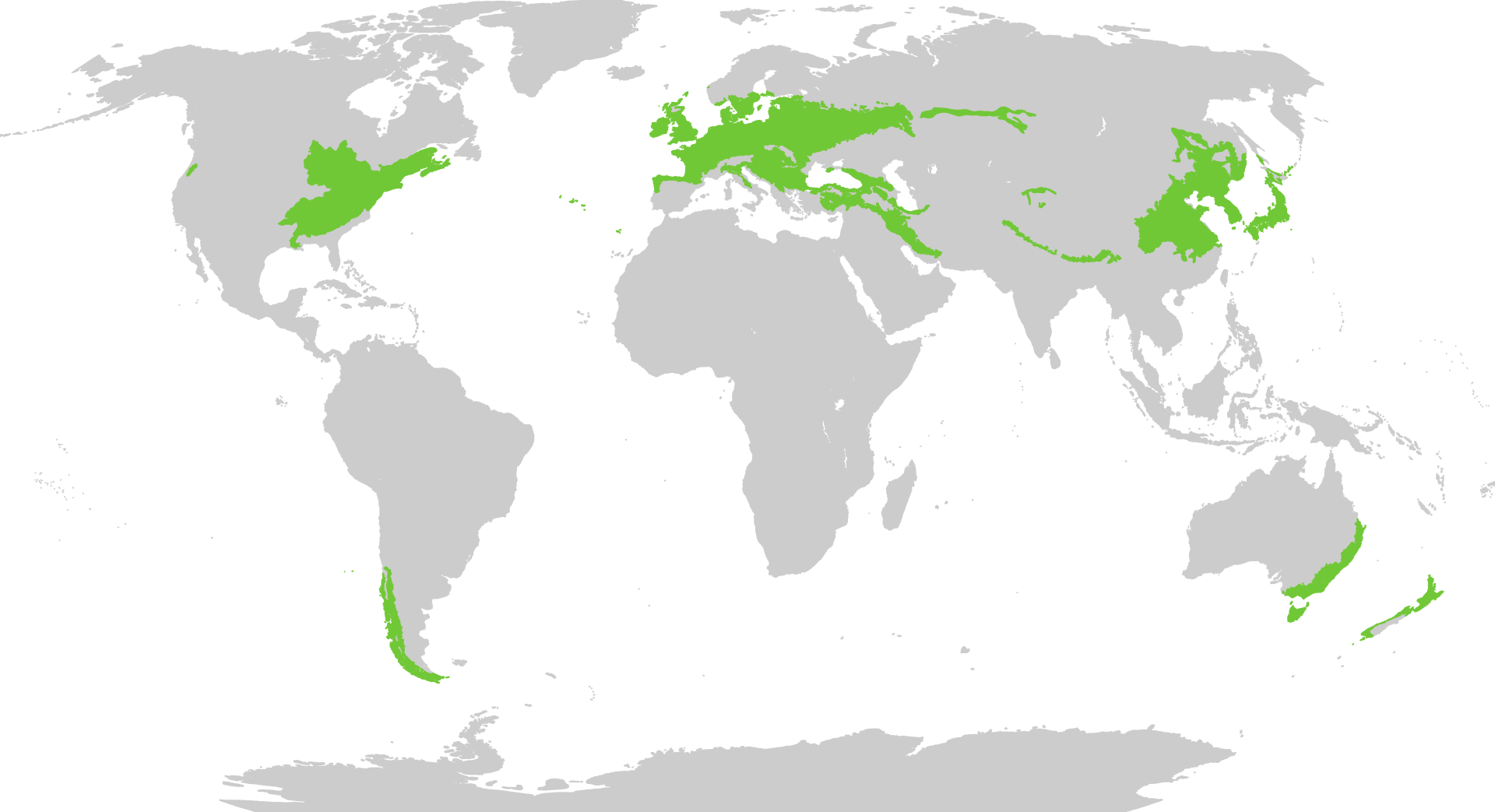
A map showing temperate forests around the world (https://en.wikipedia.org/wiki/Temperate_broadleaf_and_mixed_forest)

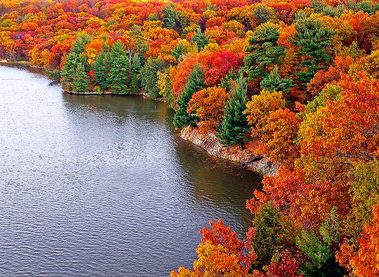
Temperate broadleaf forests are made up of deciduous, broadleaf trees although they can also contain coniferous trees. These forests are found outside of the tropics in the temperate latitudes of the Earth. The temperate latitudes experience more seasonal changes than the tropics do. Instead of a wet and dry season there is winter, spring, summer, and autumn. The trees in temperate forests are able to grow for about six months of the year. This happens in the spring and the summer when the temperatures are warmer. The growing season ends in the autumn and winter. These forests are famous for their leaves changing color in the autumn. This happens before the trees lose them to conserve energy for the winter.

Leaves changing colors in the autumn (https://temperatedeciduousforestsoftheworld.weebly.com/interesting-facts-on-the-temperate-deciduous-forest.html)

The soils in these forests are much different from the soils in the tropical forests. Temperate forests have more nutrients in their soils. This is because there is less rain and the nutrients are not washed away as quickly. These forests have provided one of the best places for agriculture for this reason. Temperate forests receive 20-60 inches of precipitation per year depending on the location of the particular forest. The amount of precipitation is spread more evenly across the seasons, unlike in the tropics.

Temperate forests contain a lot of biodiversity, although this is less than the biodiversity found in the tropics. One reason for this is that the colder temperatures make it harder for some organisms to survive. This is especially true with cold blooded animals, such as reptiles and amphibians.

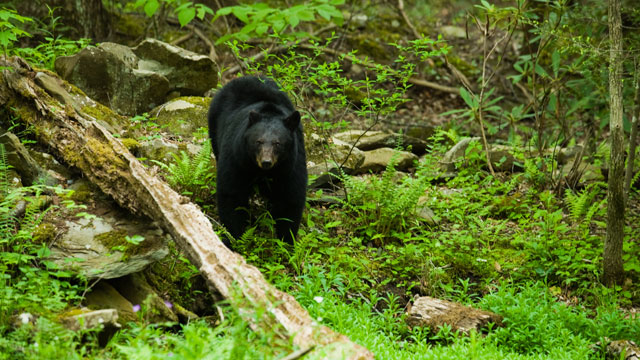
Black bears are found in many forests in North America (https://abcnews.go.com/US/summer-bear/story?id=16976325)

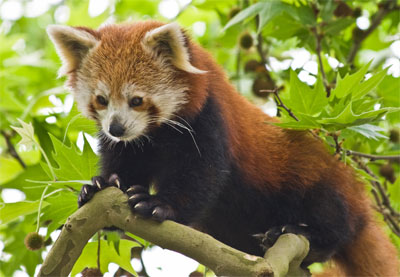
The red panda is native to Chinese temperate forests. (https://www.kidcyber.com.au/red-panda )

Taiga

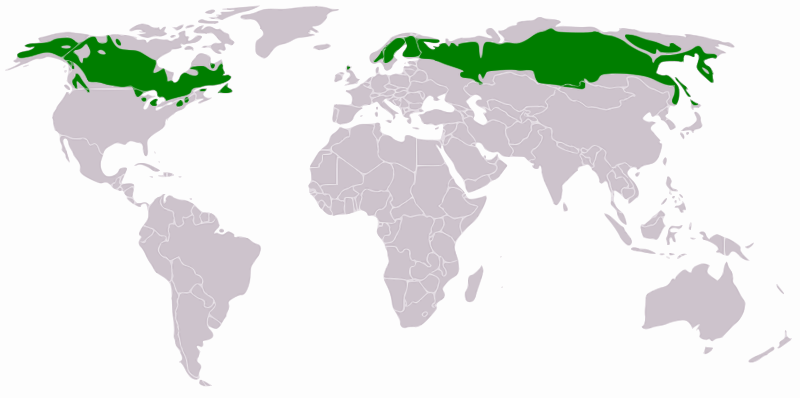
A map showing the distribution of the taiga (https://en.wikipedia.org/wiki/Taiga)

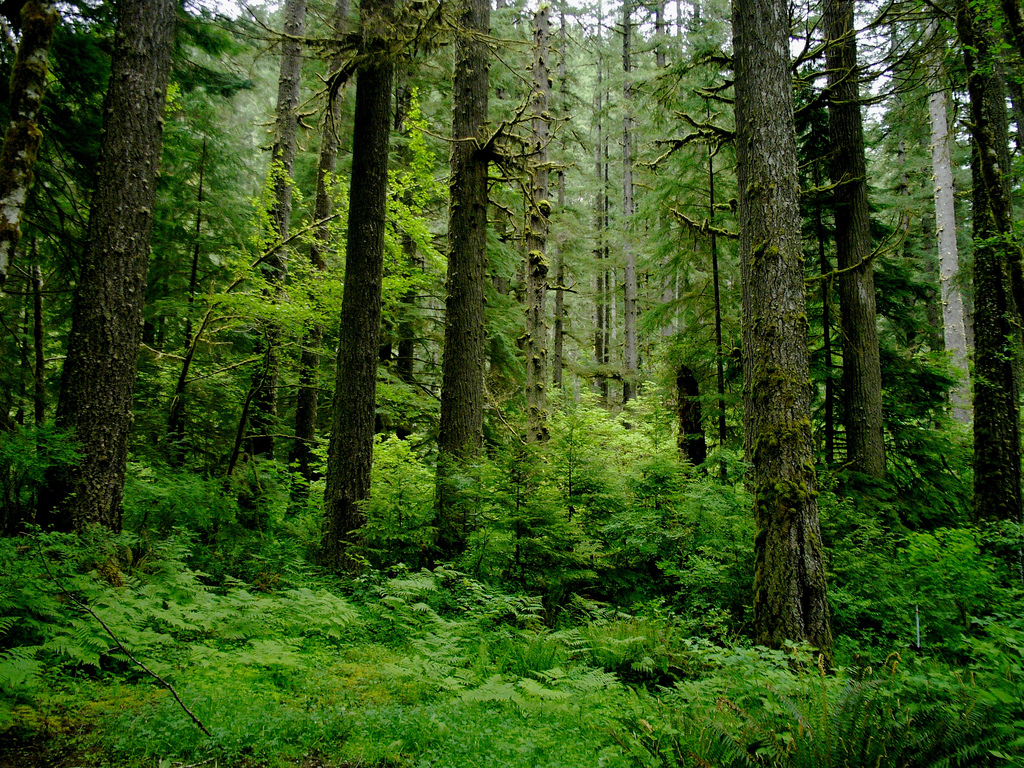
The taiga, also known as the boreal forest, is a forest made up of coniferous trees and it is found just south of the Arctic Circle. They are found in between the temperate broadleaf forests and the tundra. These forests have very short summers and long, cold winters. The coniferous trees that grow here are adapted for these conditions. They have needles instead of leaves, which do not need to be shed prior to winter’s arrival. They also contain less sap than leaves, which prevents them from freezing. Their triangular shape of the trees also allows them to capture as much of the sun’s light as possible for photosynthesis.

The forest floor of the taiga is much different than that of other forests. It is difficult for shrubs and wildflowers to grow here, so the forest floor is dominated by mosses, lichens, and mushrooms. These forests contain permafrost and bedrock. This makes it very difficult for water to drain, which causes the formation of muskegs, a type of shallow bog. The ground in the taiga is wet and spongy because of this.

There are few animals that are able to survive in the taiga year round. Many animals migrate south to escape the harsh winters. The animals that remain are adapted to deal with the cold. Mammals that live here have thick fur coats to keep themselves warm. It can be very difficult to find food in the winter because of the snow. Insects live their lives in the summer and die when it becomes cold. The next generation emerges when it becomes warm again. Very few reptiles and amphibians can live here and the few that do must hibernate to survive the winter.

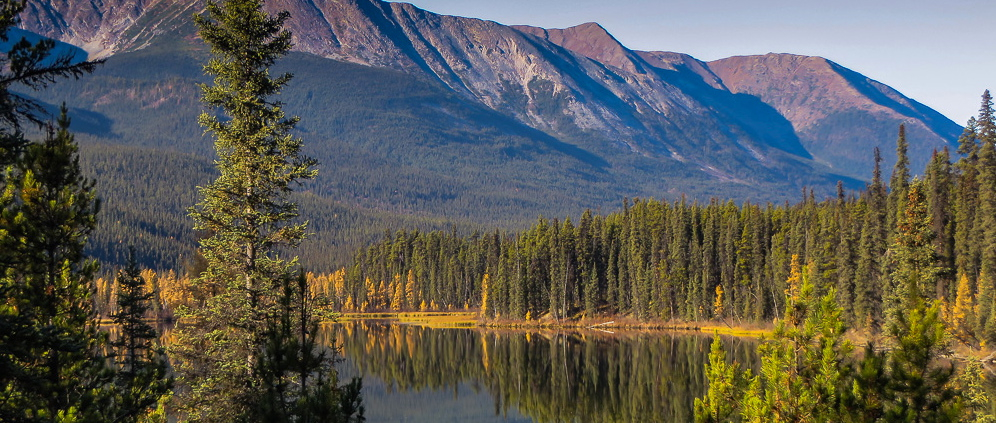
This image shows dense forest near a lake. (https://wildlife.org/boreal-forests-could-hit-climate-change-tipping-point/)

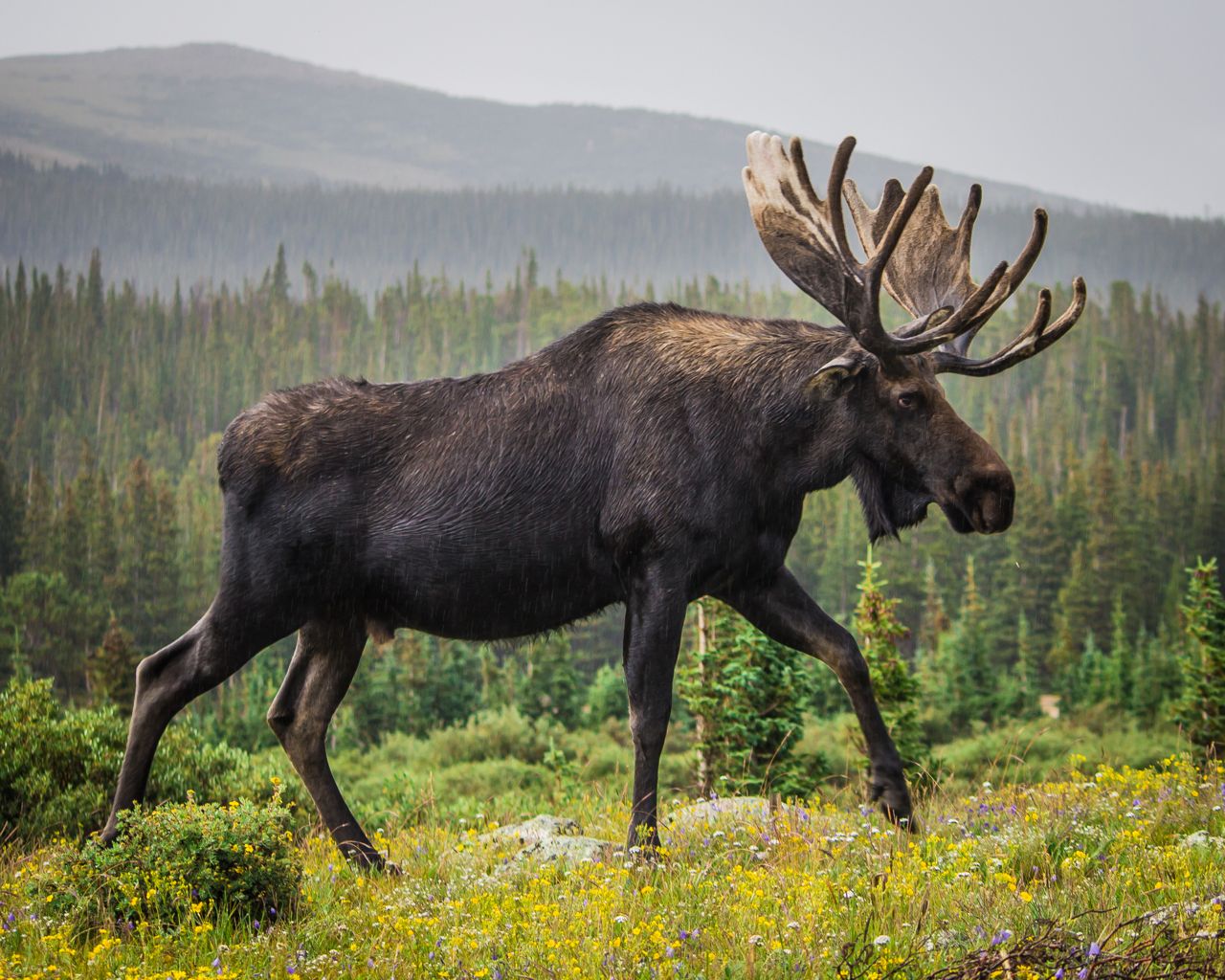
The moose, the largest member of the deer family is found in the taiga. (https://animalsake.com/list-of-different-types-of-deer)

All of these different types of forests are very important for humans and the many other species that call them home. They are also some of the most beautiful and interesting places on Earth. All of these forests should be protected and used sustainably so that future generations can enjoy them as well.

Biomes of the World

What are Biomes?

The Earth has many different ecosystems. An ecosystem is the interaction between living things (biotic) and nonliving (abiotic) factors in the environment. Biotic factors are the plants, animals, fungi, and bacteria in the area. The abiotic factors are the climate, soil, altitude, light, and air. These interact to shape the environment. Different parts of the Earth often have similar abiotic factors. This means that similar ecosystems are found around the planet. These general ecosystems are called biomes.

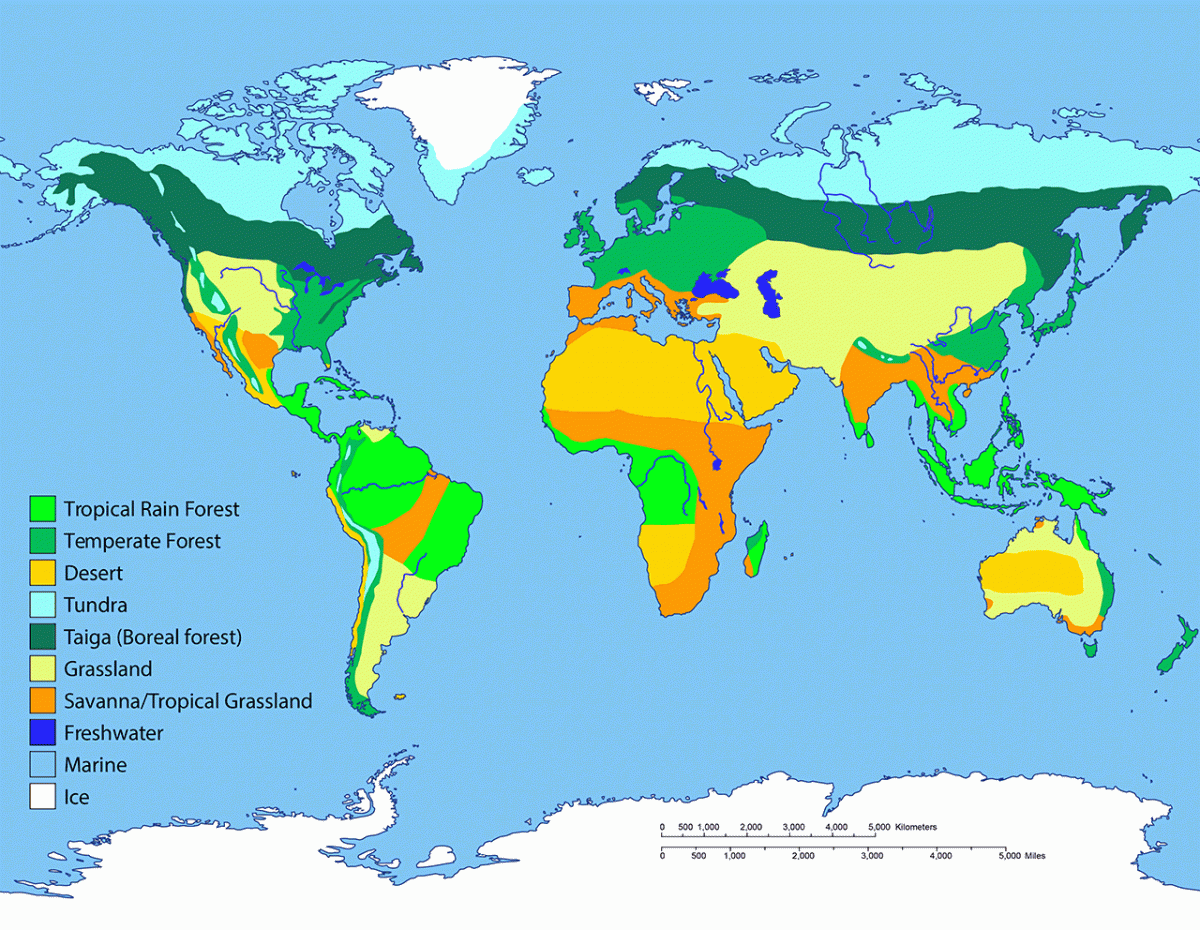
There are ten basic biomes. These are grasslands, tundra, savannah, tropical rainforest, temperate forest, taiga (boreal forest), desert, ice caps, freshwater, and marine. These biomes are found at similar latitudes across the globe and because of this they have similar abiotic factors. The organisms living there develop similar adaptations to survive their environments.

A map of the world showing the basic biomes (https://askabiologist.asu.edu/explore/biomes )

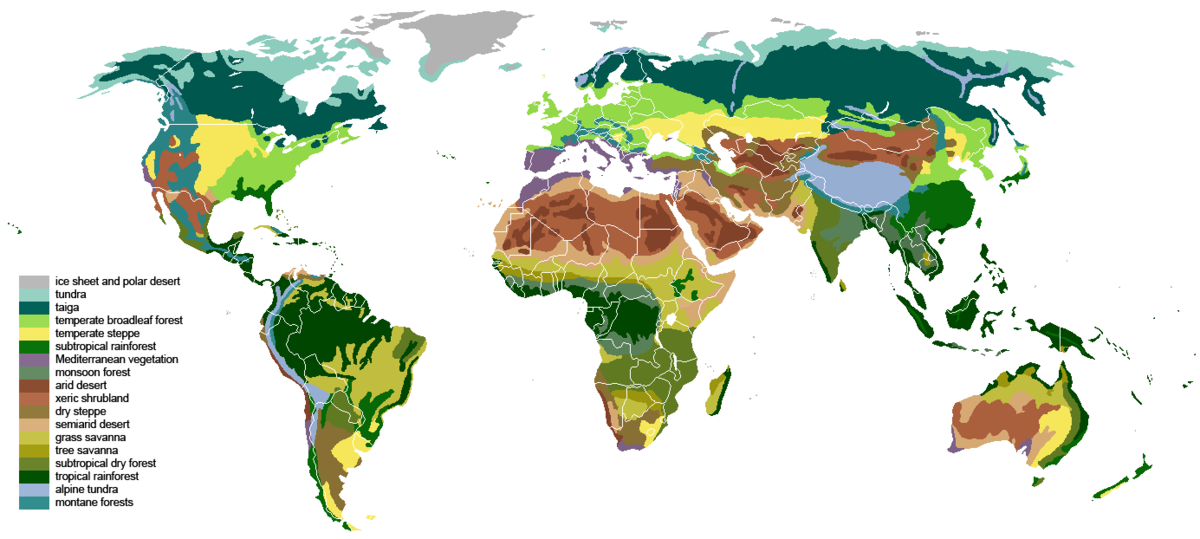
It is hard to map biomes because similar ecosystems can have small differences that have large effects on the landscape and the organisms that live there. Biomes gradually change and blend together. For example if a desert and a grassland are next to each other on the continent there will be a gradual shift between the two. The nine basic biomes can be further divided into more biomes because of this as well. These more specific biomes are: ice caps and polar desert, tundra, taiga, temperate broadleaf forest, temperate steppe, subtropical rainforest, Mediterranean vegetation, monsoon forest, arid desert, xeric shrubland, dry steppe, semiarid desert, grass savannah, tree savannah, subtropical dry forest, tropical rainforest, alpine tundra, and montane forests.

A map of the world showing more specific biomes ( https://en.wikipedia.org/wiki/Biome)

The freshwater and marine biomes are also very generalized, even though there are major differences between different parts of these basic biomes. The freshwater biome can be further divided into ponds and lakes, rivers, streams, and wetlands. The marine biome can be further divided into polar seas, open oceans, estuaries, coastal seas, lagoons, continental shelves, and the deep sea and ocean floor. Just like land these biomes can be found in different parts of the world and have many similarities along with major differences. Aquatic biomes and terrestrial biomes interact and create unique ecosystems when they come together.

These biomes have unique conditions that shaped their and environment and the organisms that live there. I will be discussing these individual biomes in further detail in future posts.

Coral Reefs

Coral reefs are some of the most beautiful and biodiverse habitats in the world.

What are Coral Reefs?

Coral reefs are one of the most important ecosystems on the planet. They are found in warm, tropical waters in the Indian, Pacific, and Atlantic Oceans. Coral reefs require warm water so most are found near the equator, although they can be found outside of the equator if there is a warm current. They are found along the coasts of continents and islands. Coral reefs contain an astonishing 25% of marine life, but they make up less than 1% of the ocean.

Corals are an animal. They are an invertebrate closely related to jellyfish and sea anemones. A single coral is called a polyp. Their body is sac like with a single opening that serves as both the mouth and the anus. This opening is surrounded by stinging tentacles that are used to capture prey. Most corals prey upon plankton, although some species are able to prey upon small fish. Polyps in most species are small and form colonies. These colonies act as a singular organism. Colonies are formed when a coral larvae settles on the seafloor and goes through asexual reproduction. Thousands of genetically identical buds will come off of the original polyp and start growing next to it. Corals can also start new colonies if pieces of the colony break off and settle somewhere else. This often happens during storms when large waves break branches of coral. Thousands of colonies of different species of corals congregate in the same area and form reefs. The largest of these is the Great Barrier Reef on the east coast of Australia. This reef stretches for 1,400 miles.

This image has an empty alt attribute; its file name is singlepolyp.jpg

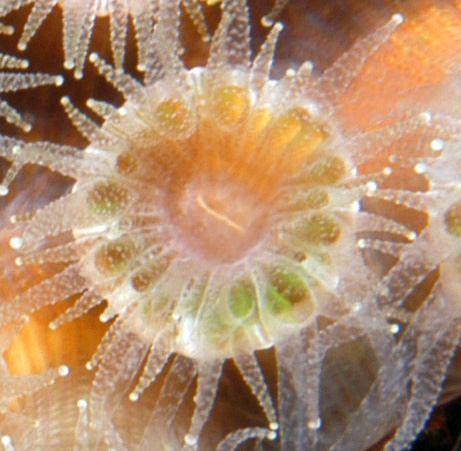
A close up of a single coral polyp.

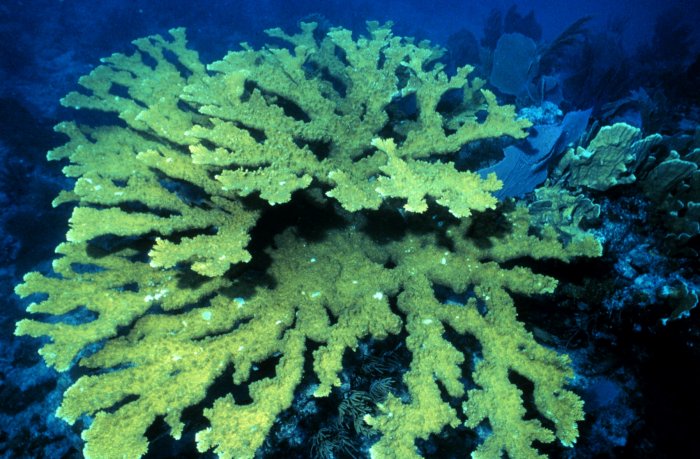
Elkhorn coral, a type of hard bodied coral found in the Caribbean

Some species of corals are hard bodied while others are soft bodied. Hard bodied corals build coral reefs. They excrete limestone, which gives the reef its structure. Hard bodied corals have a mutualistic relationship with a type of algae called zooxanthellae. Both the algae and the coral benefit in this relationship. The coral provides the algae with a place to grow. The algae provides the coral with food that it produces from sunlight during photosynthesis. Hard bodied corals are only found in shallow waters because the algae needs access to sunlight.

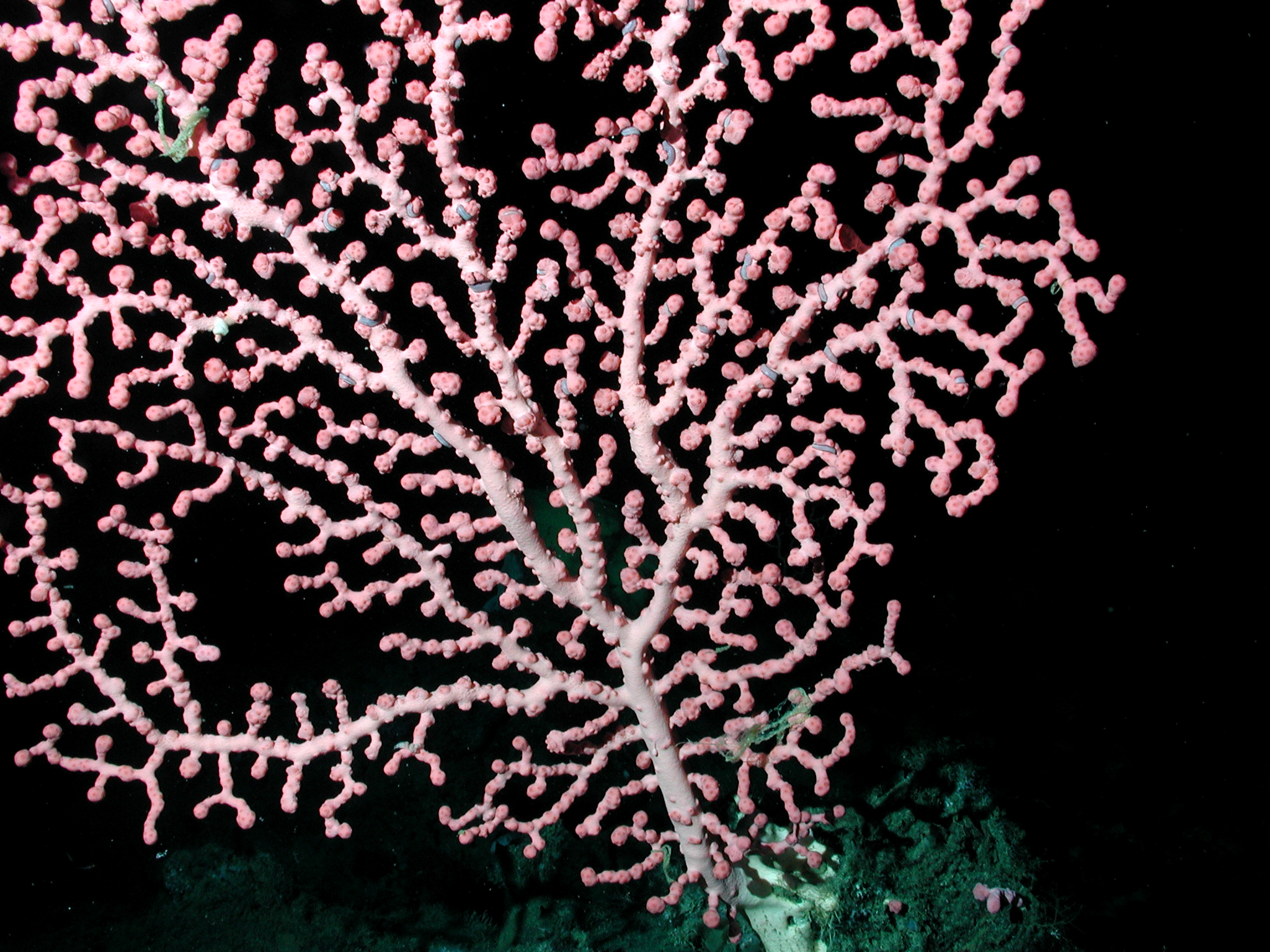
Soft bodied corals are not reef builders because they do not secrete enough limestone to build the structure of reefs. Many do not have a relationship with algae and have to capture all of their own food. They can still be found in coral reefs, although some species live in colder, deeper waters.

Bubblegum coral, a type of deep water soft bodied coral

Biodiversity

Coral reefs are home to 25% of marine life. Reefs contain a wide variety of marine invertebrates, fish, reptiles, and marine mammals. There are an estimated 4,000 species of fish that live in coral reefs. Coral reefs provide shelter from waves and provide plenty of hiding places for small animals. A large amount of marine predators reside in coral reefs as well. Several species of sharks, groupers, and eels feed in the reefs.

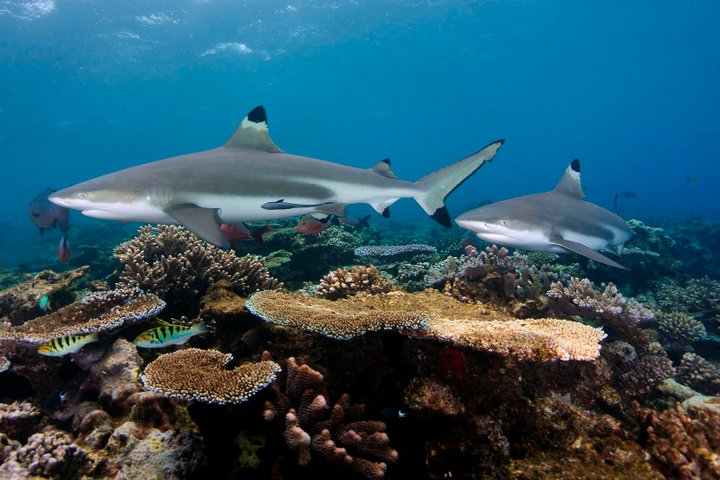
Reefs are maintained by the creatures that live there, but there is a delicate balance on the reefs. If the population of a particular species becomes too large there can be negative effects on the reef. The biodiversity is important, because different species help to keep each other in check. Sharks eat all types of smaller fish, so they help to manage the populations. They are indiscriminate in the species of fish that they eat so they help to prevent one species from taking over.

A pair of blacktip reef sharks, one of the top predators on the reef.

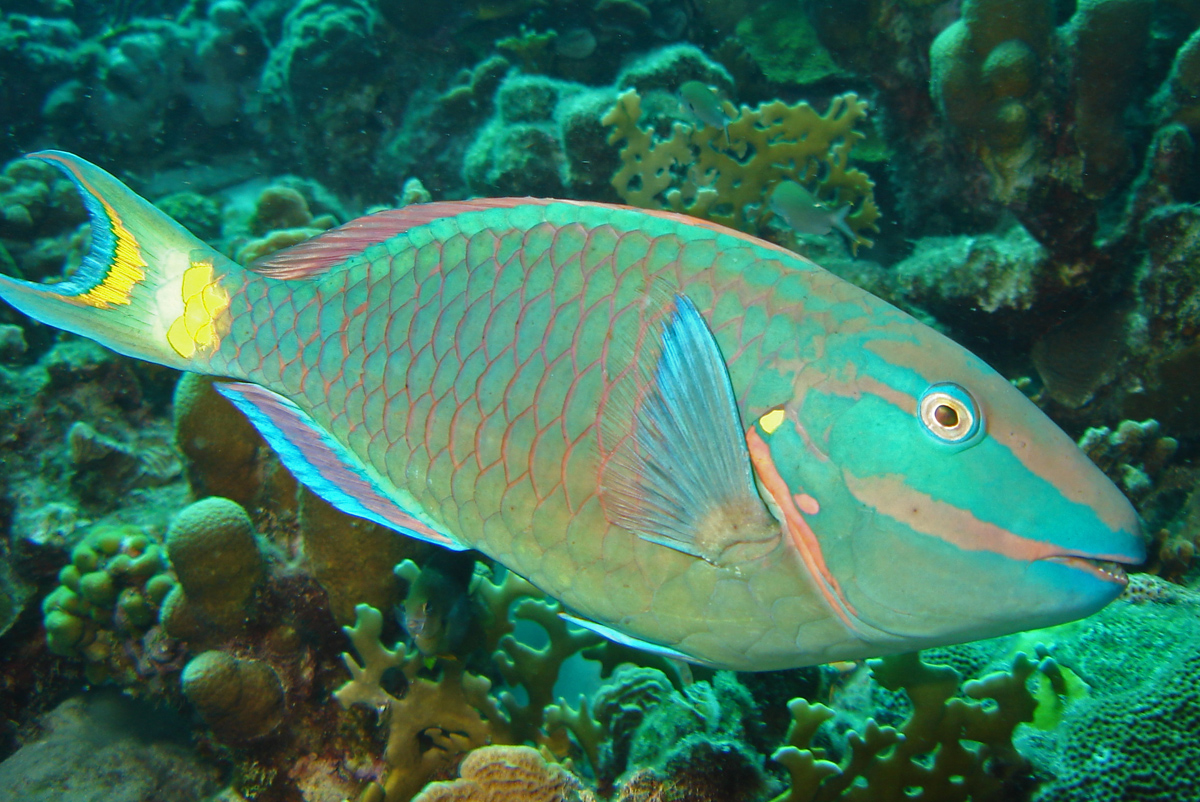
Stoplight parrot fish. Parrot fish eat corals and cause white sand beaches when pieces of limestone pass through their digestive system.

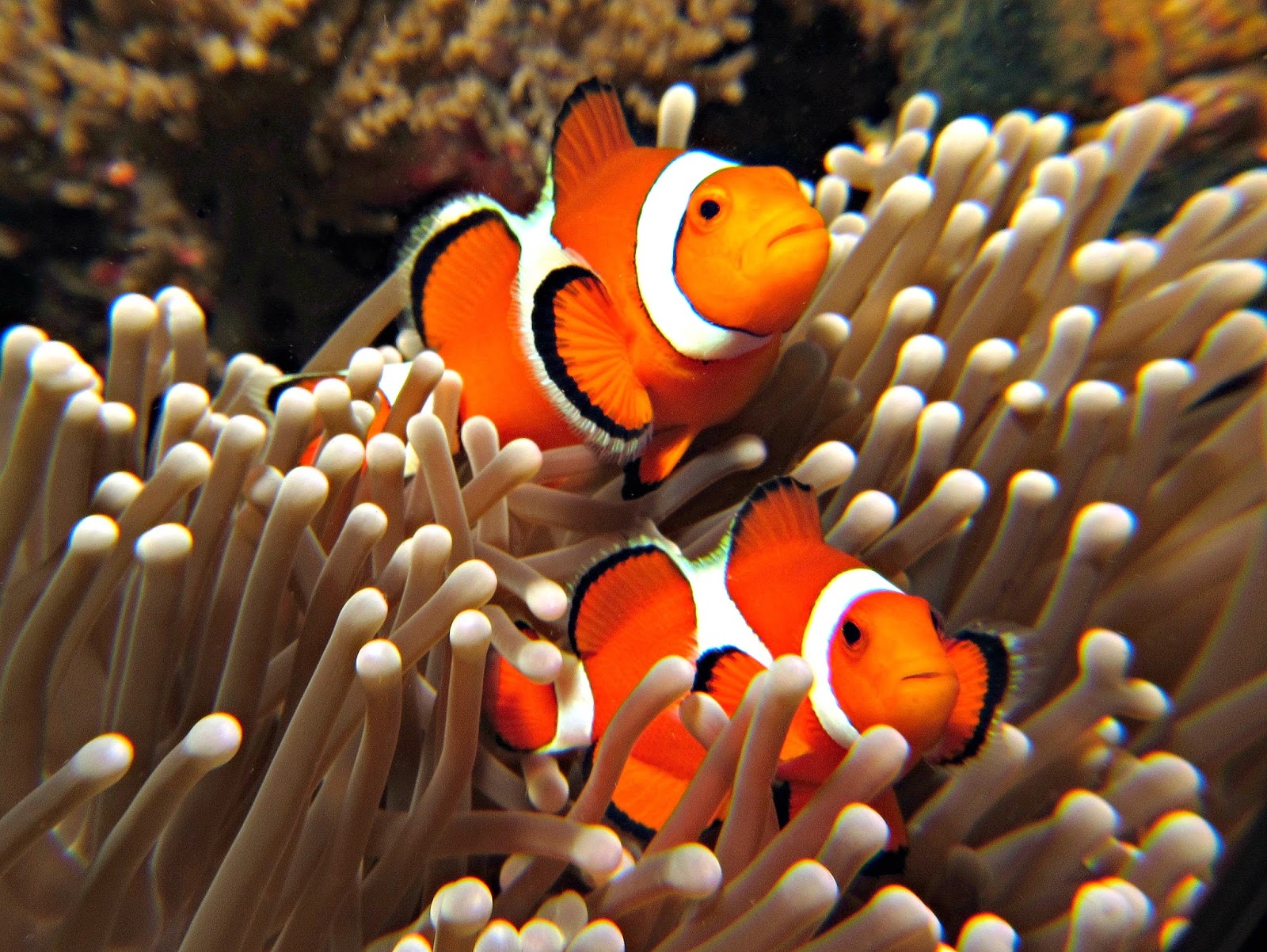
Ocellaris clownfish are one of the most recognizable reef fish. They live in sea anemones for protection.

Ecosystem Services

Coral reefs provide many services that benefit humans. They help to diffuse the energy from large waves. This lessens the amount of coastal erosion and the impact from storms, which is extremely beneficial for coastal development. Man made solutions to this issue are very costly and coral reefs perform this service for free. Coral reefs provide food for many people as well. Many tourists are attracted to the reefs as well. Coral reefs have also been used to develop medicines. Compounds found in coral reefs have been used to treat cancer, HIV, and many other major health issues. There are about 500 million people in the world that live near reefs depend on these services. Many of these people live in poor, developing countries where there are not that many opportunities to make money.

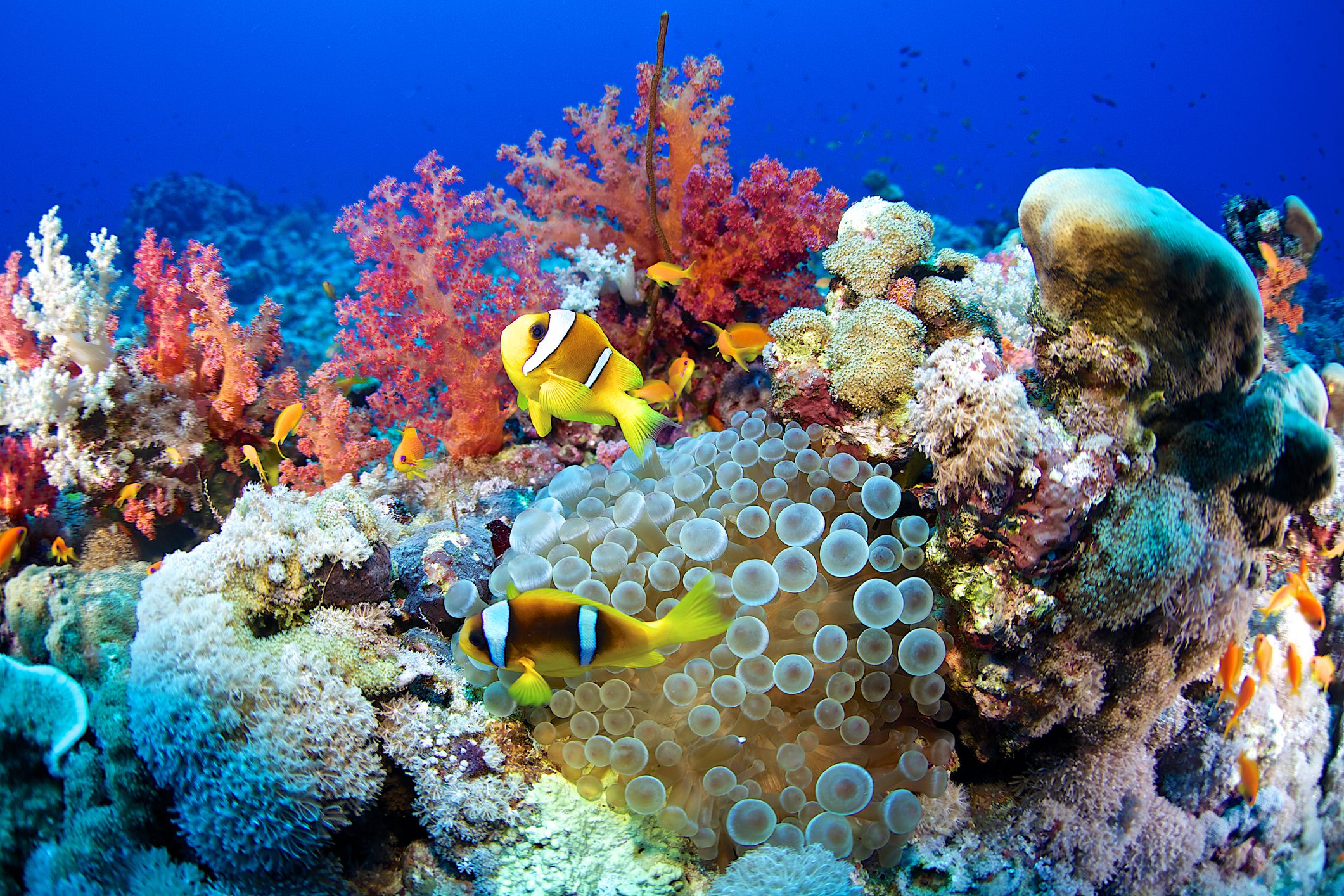
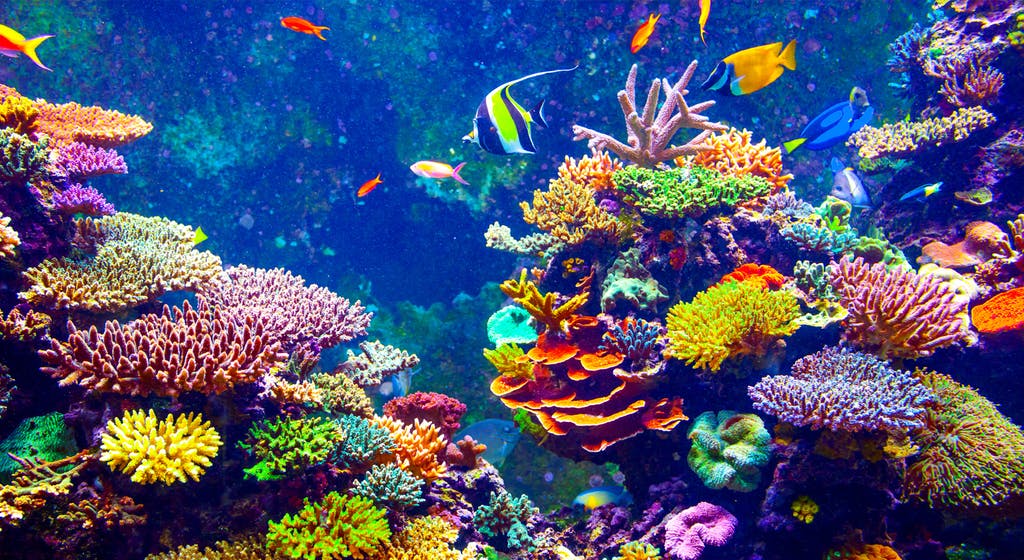
This photo highlights the biodiversity and beauty of coral reefs.

Conservation Issues

Corals are very sensitive animals and they are under threat from human activities. One of the main issues that they currently face is climate change. This is due to emissions of greenhouse gasses, mainly carbon dioxide which has caused the ocean to warm. Carbon dioxide is also causing the water in the ocean to become more acidic. The ocean absorbs carbon dioxide, which causes the formation of carbonic acid. The increased amount of this in the water is making the world’s oceans more acidic. Pollution is another major issue as it can poison the water. Fertilizers cause massive algae blooms when they go into the water. These algae blooms take up all of the oxygen in the water and leave nothing for the other organisms. Plastic pollution causes problems for animals in every habitat on Earth including coral reefs.

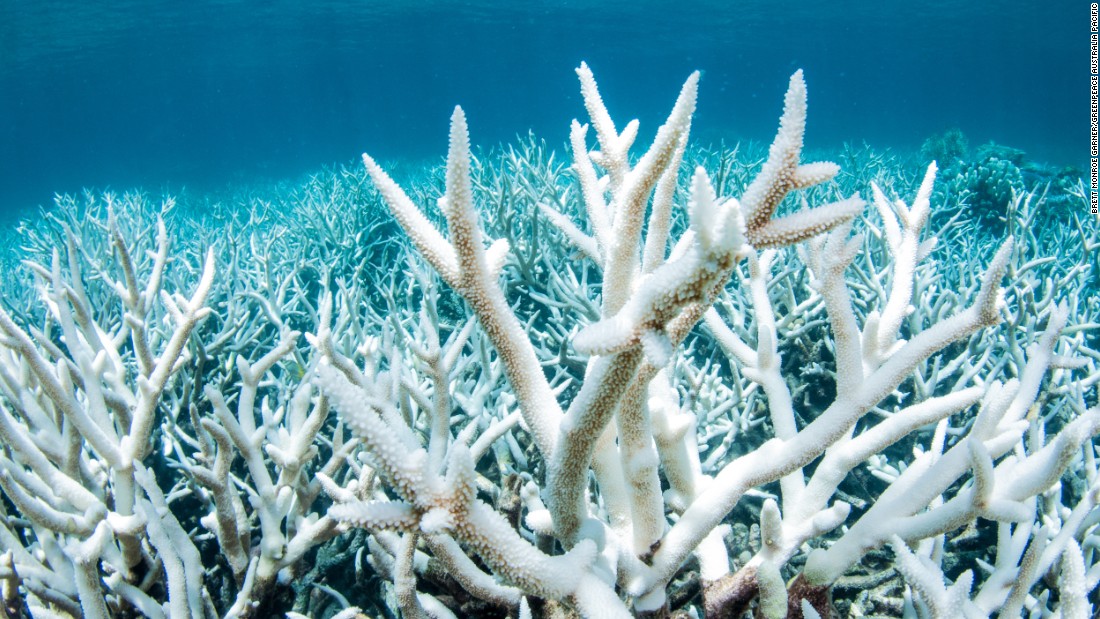
This combination of factors can cause corals to become stressed. Stressed corals often expel the algae that they rely on from their cells. When this happens corals turn a ghostly white color and die. This is called coral bleaching and it can kill entire reefs. Without the coral all of the other organisms that live in the reef either have to leave and find a new reef or they die without the protection from the corals. This has become a major problem on the Great Barrier Reef.

A bleached section of the Great Barrier Reef

Overfishing can cause problems as well. When too many fish are removed it throws the ecosystem out of balance. This prevents the coral reef ecosystem from maintaining itself and leads to the overall habitat becoming degraded. Sharks are an example of this. When shark populations are too low they are not able to control the populations of the other animals on the reef.

How to Help Coral Reefs

Despite these issues it is not too late to save coral reefs. There are many ways that people can help coral reefs even if they live nowhere near the ocean. One way is to drive less. This lessens the amount of carbon dioxide emitted into the atmosphere. Using less electricity helps as well. Turning off lights when they are not needed saves a lot of electricity and can also lessen the amount of carbon dioxide emitted. Doing both of these can also help to save money. Cutting down on the use of plastic, especially single use items like grocery bags and straws can help as well. These items are extremely light weight and can be taken anywhere on Earth by the wind and water currents. It is also important to be purchase sustainable seafood. An excellent source of information on what types of seafood are sustainable is seafoodwatch.org.

It is also important for governments to set aside marine reserves. These are areas of the ocean that are protected from human use. These provide shelter for marine life. Reefs that are protected are also better able to deal with issues like climate change, since they do not have to deal with many of the other issues that coral reefs are facing. These reserves also help fisherman. Large fish populations on marine reserves spill over to unprotected areas where they can be harvested. It is not too late to save coral reefs. With the help of citizens and governments coral reefs can be protected from extinction.

Pollinators

Pollinators are some of the most important and helpful animals on the planet by pollinating plants.

What is Pollen?

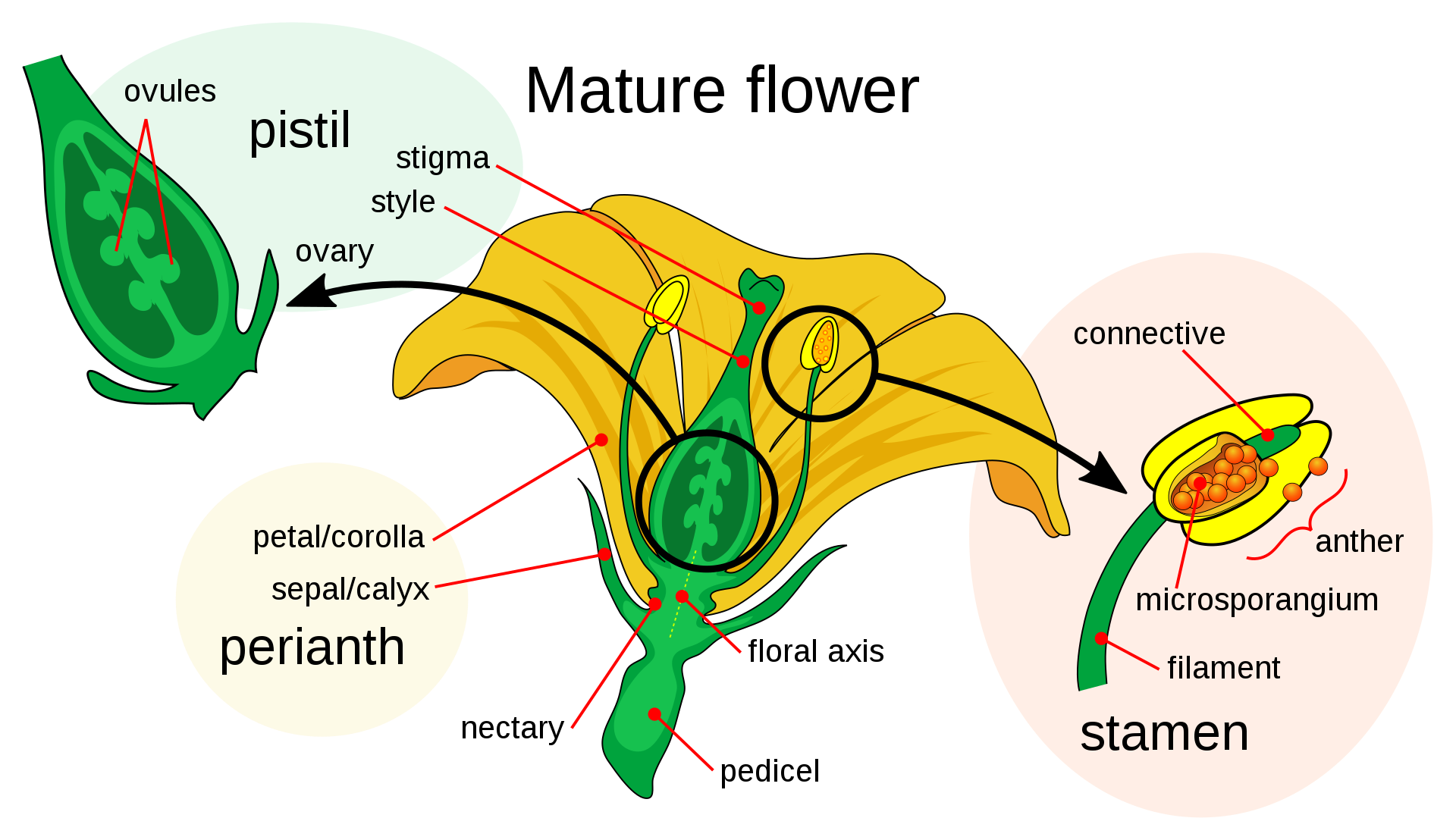
Pollen is produced by seed bearing plants for reproduction and contains the male sperm cells. It is a fine powder that is produced in the anther, which is part of the larger stamen. The pollen is taken to the female part of the flower, the stigma. Once there the pollen produces a pollen tube which fertilizes the egg cells inside of the ovary. These will develop into seeds that will be contained in various types of fruits, which will are used for seed dispersal. These seeds will then develop into new plants. The structure of a flower is pictured below.

Diagram of a flower

There are different strategies that plants use for pollination. Some plants can self pollinate when necessary, and produce genetically identical offspring. This is helpful in ensuring that the plant is able to reproduce but it does not increase genetic diversity in that species’ population. These plants have flowers that contain both stamens and pistils. Other plant species have flowers that only contain stamens or pistils, but have both flowers on the same plant. Some plants have male and female flowers on different plants. These plants either have to release their pollen into the wind or rely on pollinators to pollinate other plants.

What are Pollinators?

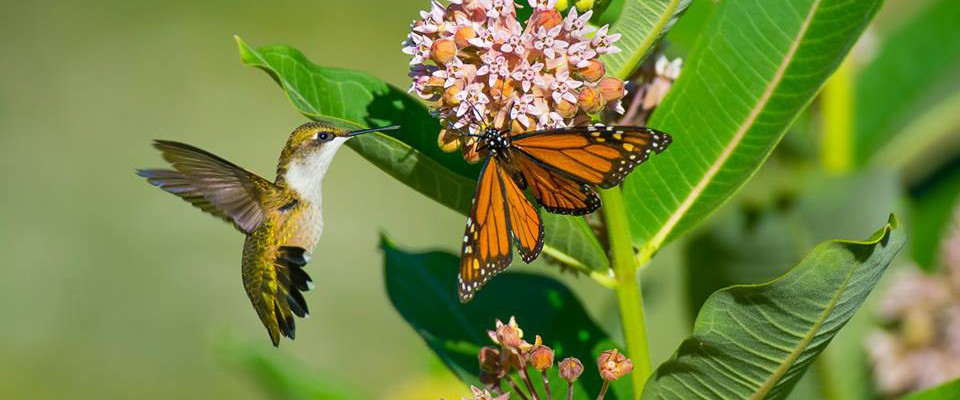
Pollinators are animals that help flowering plants to reproduce by moving pollen between flowers of different plants. The vast majority of pollinators are insects but some species of birds and mammals are also pollinators. The insect pollinators include bees, butterflies, moths, flies, wasps, and beetles. Important bird pollinators include hummingbirds, honey eaters, honey creepers, and sunbirds. Bats are the most common mammal pollinators, but some species of rodents, lemurs, and opossums also pollinate plants.

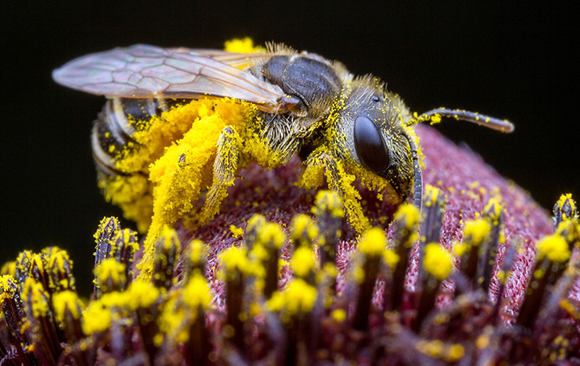
This image has an empty alt attribute; its file name is sweatbee_alexwild.jpg

A bee covered in pollen

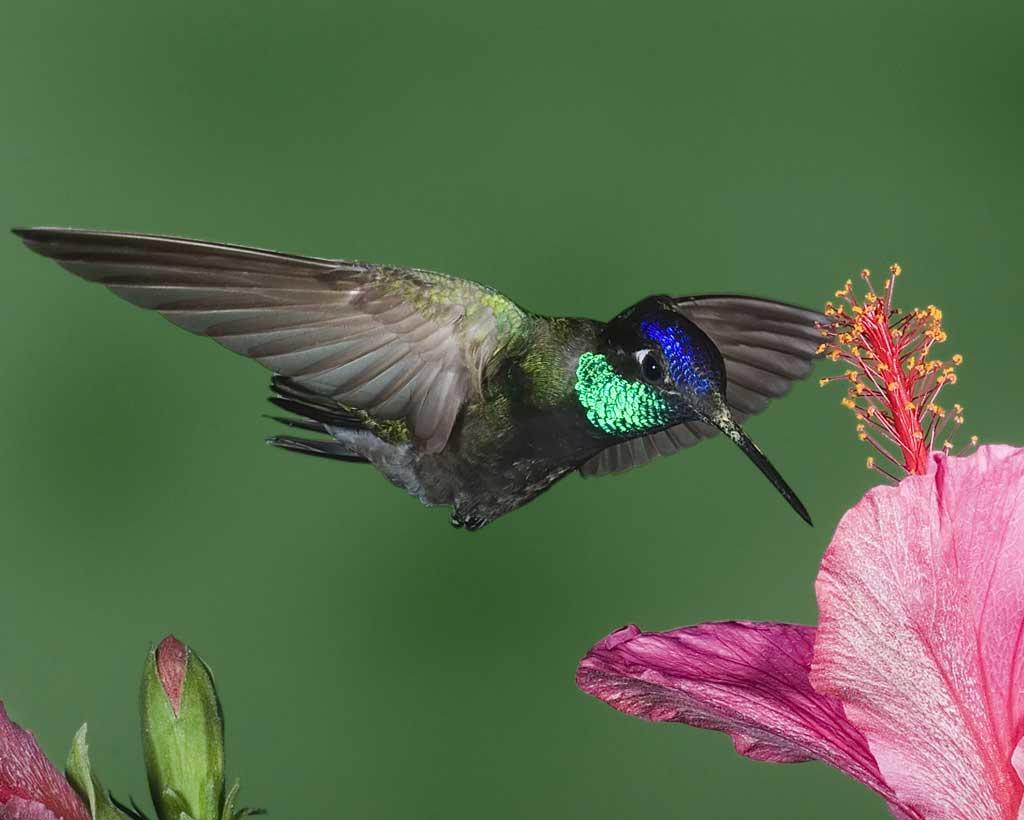
Magnificent hummingbird

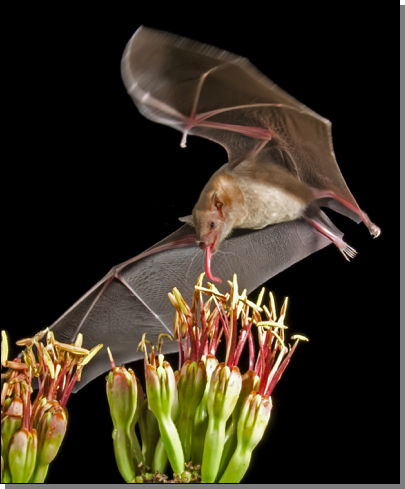
Mexican long-tongued bat

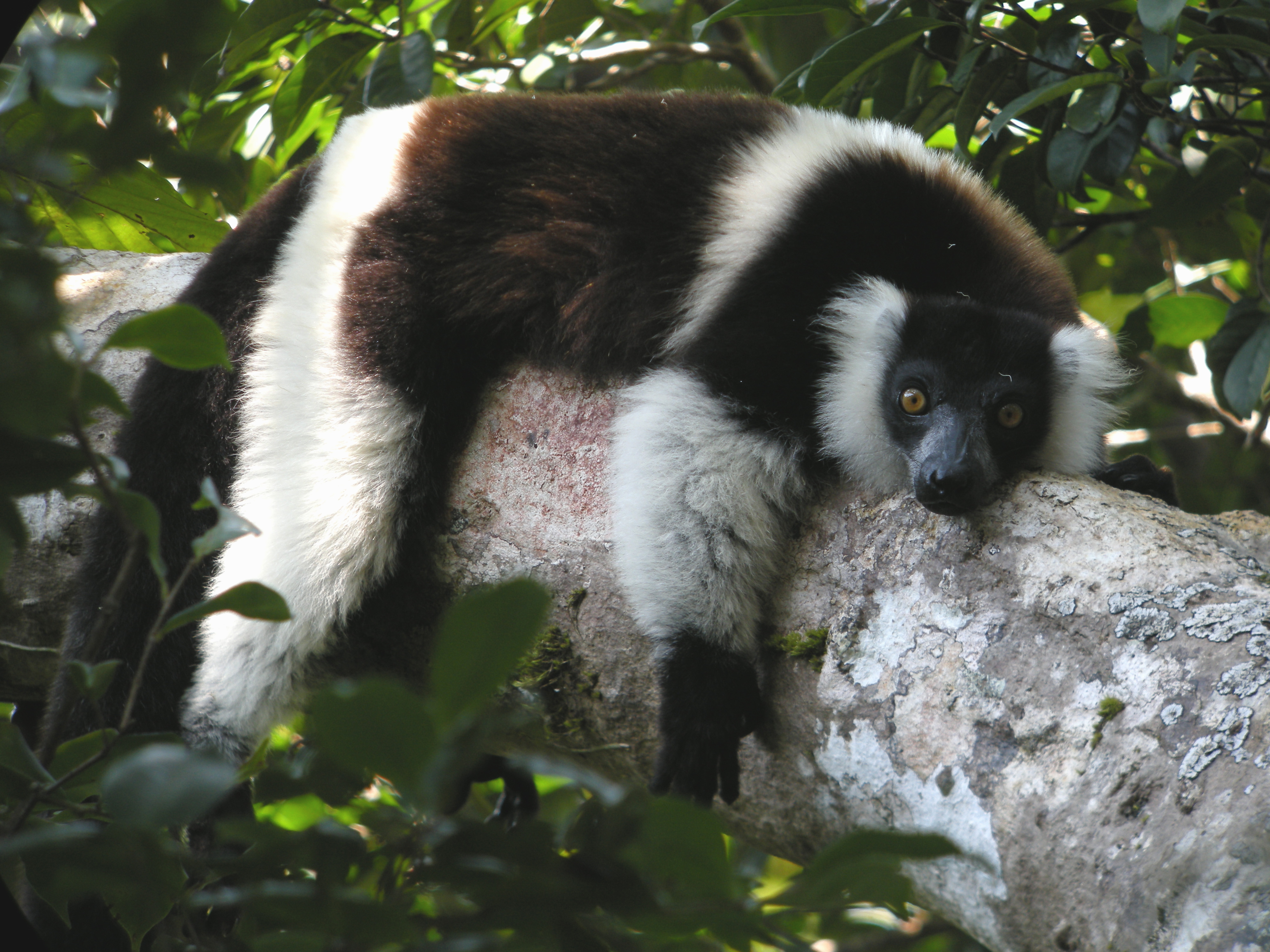
Black and white ruffed lemur, the largest pollinator in the world

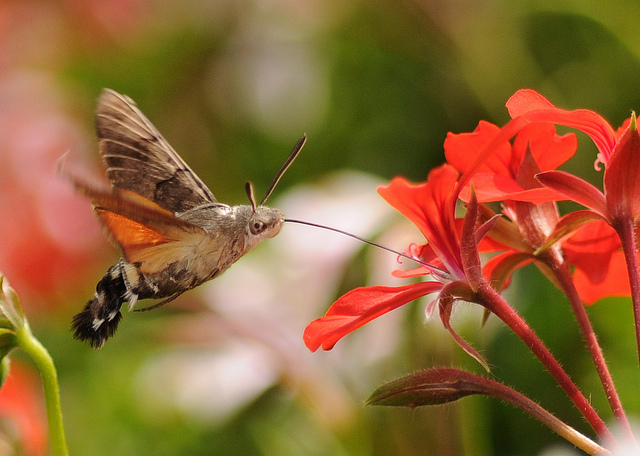
Hummingbird hawk moth

How do Plants Attract Pollinators?

Plants attract pollinators by providing them with food. Plants produce nectar which is a sugar rich liquid that many animals eat. Some animals eat the pollen as well, which is high in protein. When an animal visits a flower to feed, pollen sticks to its body. When the animal moves to a new flower some of the pollen from the previous plants are transferred to the current flower. Animal pollination is often more efficient than wind pollination so many plants have evolved to make use of these animals.

Flowers are brightly colored to attract pollinators. It is believed that plants evolved to have brightly colored flowers to attract insect pollinators. Animals have evolved to recognize flowers and survive off of using them as a food source. This is an example of co-evolution. Many plants and animals are dependent on one another because of this.

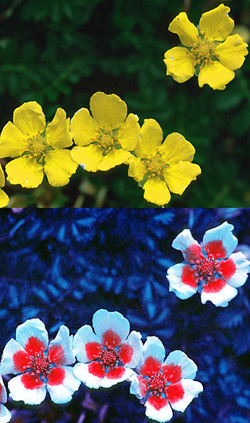
The color and shape of the flower are also used to attract pollinators. It is believed that plants evolved to have brightly colored flowers to attract insect pollinators. Many insect pollinators can see ultraviolet light so plants incorporate ultraviolet light patterns on their flowers. Humans cannot perceive ultraviolet light so many flowers look much different to insects than they do to us. Some insects are also attracted to different colored flowers. Bees, for example, are often attracted to blue and violet flowers. Plants that attract nocturnal pollinators, such as moths and bats, often have white flowers or pale yellow and pink flowers. Other pollinators also have color preferences, although preferences in flower color can change based on the environmental conditions at the time. The shape of flowers can also attract certain pollinators. Plants and animals have evolved so that certain pollinators have an easier time of reaching the nectar.

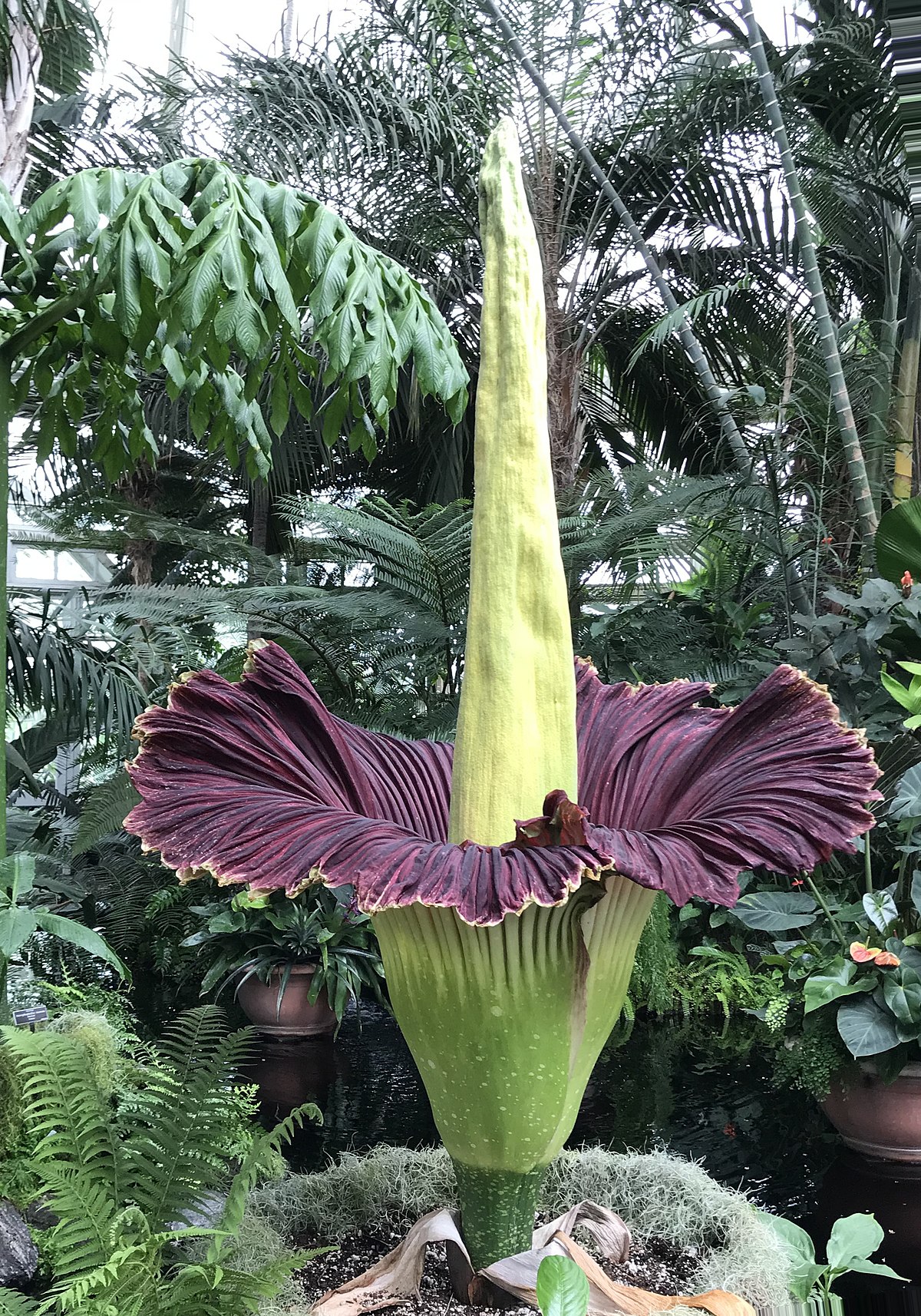
Plants also attract pollinators by producing scents. The titan arum, a plant found in the rain forests of Sumatra, is a unique example of this. It attracts flies and other insects by smelling like rotting meat.

Titan arum a large flowering plant from Sumatra that attracts flies by smelling like rotting meat. It is also known as the corpse flower for this reason.

Flowers of the silverweed plant in ultraviolet light


Why are Pollinators Important?

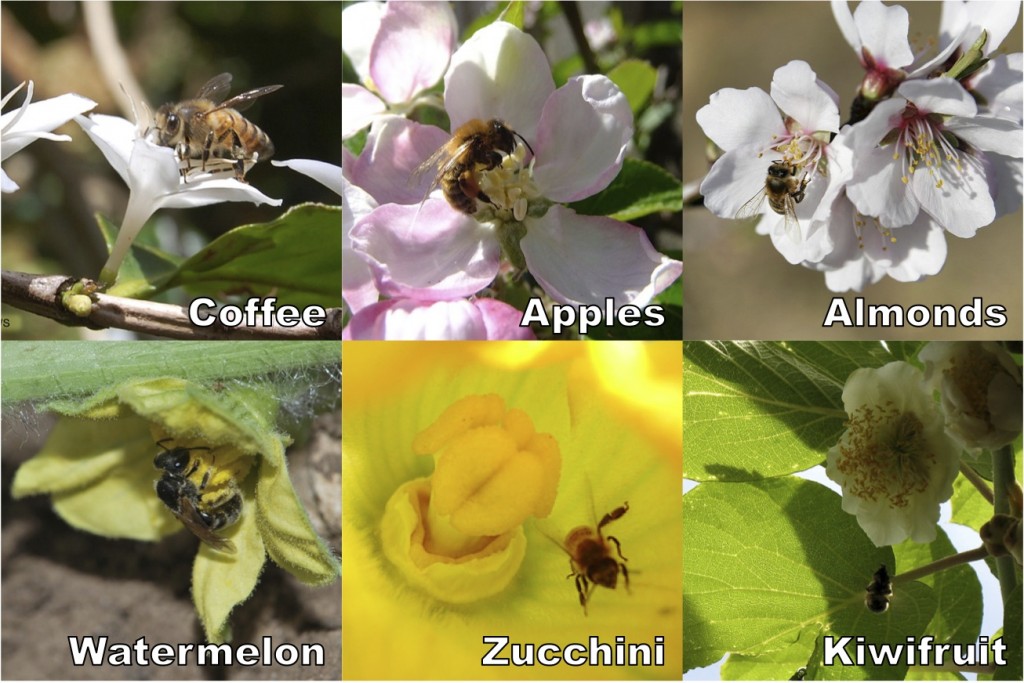
As previously mentioned pollinators help plants to breed. Around 90% of plants require the help of animals for pollination. Without pollinators there would be major problems in ecosystems around the world. Plants make up the base of the food chain and they produce oxygen. Without these services very few organisms would survive.

Pollinators are also very important in helping with food production for humans. Crops plants need pollination just like wild plants. It is estimated that 3/4 of food crops are reliant on some type of pollinator. Without pollinators global food production would be at risk. It is estimated that animal pollination amounts to a value between $235 and $577 billion USD. The amount of crops grown that are reliant on pollinators has also grown by 300% in the last 50 years. It would be very expensive if humans were to try and replace this free service that is provided by pollinators. Climate change is already predicted to cause problems for human food production. If there are further losses of pollinators as well as climate change humans will likely have problems feeding themselves.

Bees pollinating crops

Pollinators Under Threat

There are many species of pollinators that are currently threatened or endangered. There are a variety of reasons for this including: habitat loss, use of pesticides, disease, invasive species, and climate change. Pesticides in agriculture kill more than just the pest insects, they also kill helpful insects such as pollinators as well as the predators of pest insects. Habitat destruction is also a major issue for pollinators, as well as plants and other animals. Habitat destruction is an issue because it destroys the homes of pollinators and because it causes habitat fragmentation. Habitat fragmentation prevents populations from breeding and can lead to increased risk of extinction. The loss of wildflowers is also a problem for pollinators. Humans have replaced native wildflowers with nonnative ornamental plants. Pollinators are still attracted to these plants but they may not get the nutrition that they need. Climate change is also having an effect by causing a wide variety of changes to the environment across the planet. With all of these changes to the environment plants and animals are having trouble adapting and surviving.

How to Help

There are many ways to help pollinators. One way is to use native plants in landscaping. This provides a food source for pollinators. It can help pollinators travel between larger habitats and lessen the effects of habitat fragmentation. Native plants are also more adapted for the climate and require less care than many ornamental plants. They can also be planted near farm fields. This attracts the pollinators which will help with the pollination of crops. It is important to have flowers that bloom in spring, summer, and autumn as different pollinator species are active at different times of the year. Some species of pollinators are more active at different times of the year. Having plants that are blooming at different times of the year provides pollinators with food throughout the year.

Cutting down on the use of pesticides also helps pollinators. One way to cut down the use of pesticides is to grow plants that attract insects that pest species. Allowing predatory insects and spiders to live in gardens can cut down on these pests.

Pollinators can be helped by cutting down on the use of mulch in gardens. Many species of bees burrow in the ground to raise their offspring. This cannot be done if mulch is blocking their access to the soil.

Pollinators are very important to the global environment and for food production. Understanding pollinators and how to help them can help humans protect the environment as well ourselves.

Biodiversity Crisis

Coral reefs support a wide variety of life

What is Biodiversity?

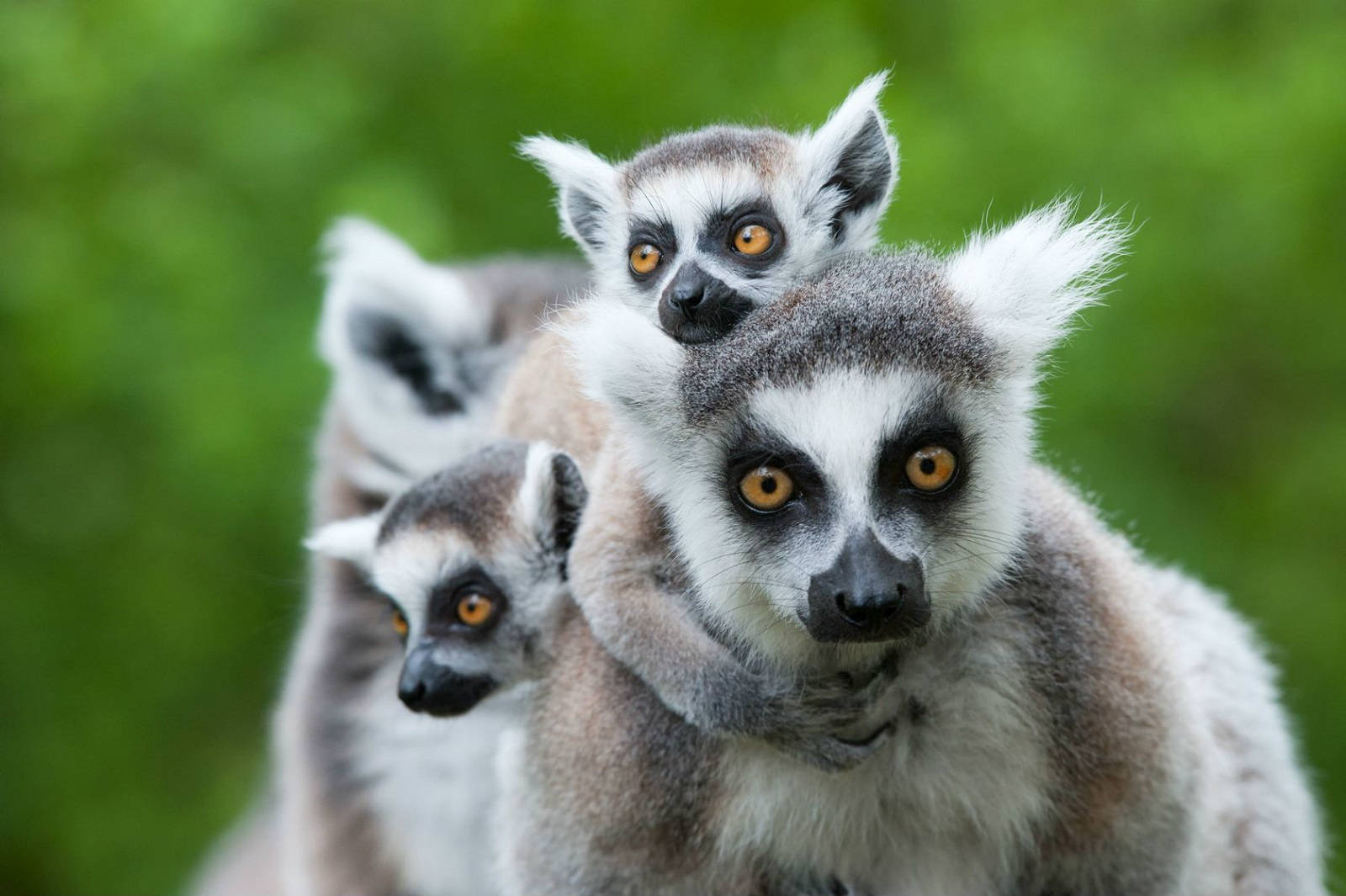
Biodiversity is the variety of all life on Earth. It is made up of plants, animals, fungi and bacteria, and other microorganisms. It is also made up of the wide variety of ecosystems that cover the Earth. These ecosystems all host their own unique collection of species. Biodiversity also includes the variation in genes between members of the same species. Some ecosystems are considered biodiversity hot spots due to the number of species that live there. These hot spots often have many endemic species, which are only found in these areas. An example of this is the Island of Madagascar which has many species that are only found there, such as the ring-tailed lemur below. It is estimated that 95% of Madagascar’s reptiles, 89% of its plants, and 92% of its mammals are only found in Madagascar.

Why is Biodiversity Important?

All of the species in an ecosystem have roles that they play in the ecosystem. When biodiversity is maintained it helps to keep the ecosystem in balance, which makes the ecosystem more productive. Productive ecosystems provide many services that benefit humans. These ecosystem services are divided into four categories. Provisioning services include the production of food and water. Regulating services include climate control and disease control. Supporting services include nutrient cycles and oxygen production. The final category is cultural services which include spiritual and recreational benefits.

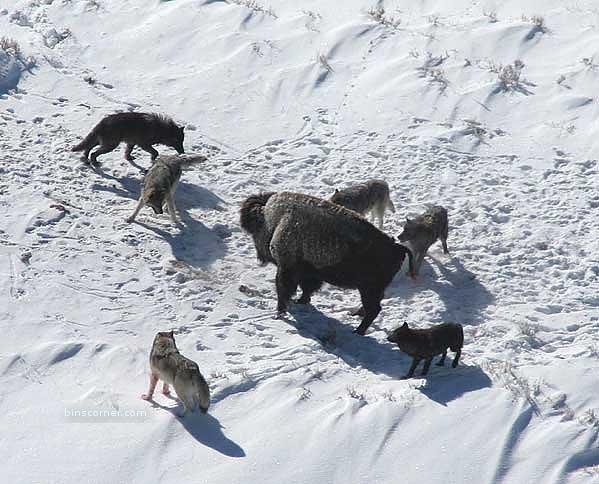
All of the species that make up an ecosystem are important for these services to work. Species in an ecosystem are interconnected and dependent on one another. Soils are healthier when there are a wide variety of plant species growing. Healthy soils in turn help plants to grow and to be healthier. Predator species help to keep grazing animal’s populations in check. This helps to relieve some of the grazing pressure and helps plants to remain healthy. Wolves are an example of this and are pictured below hunting a bison. When species are removed from an ecosystem the ecosystem loses its balance and can become degraded which can hinder the ecosystem services.

The Crisis

Despite all of the positive things that are associated with biodiversity many species and habitats are under threat. A study that was conducted by the Intergovernmental Science-Policy Platform on Biodiversity and Ecosystem Services (IPBES) concluded that up to one million species of plants and animals were under threat of extinction. Many of these species are at risk due to loss of habitat and over harvest. This many species being under threat of extinction will cause problems to humans. Some of the endangered species include pollinators which helps us grow crops and help wild plants reproduce. Forests that produce oxygen, absorb the carbon dioxide that contributes to climate change, and provide habitat for countless plants and animals are being cleared for cattle ranching, palm oil plantations, and logging. Fish stocks are dropping rapidly around the world from over fishing which will hurt our ability to feed ourselves in the coming generations. This will also hurt populations of marine animals that also feed on these same fish. Rhinos are another example of a species that has been over harvested and pushed to the brink of extinction due to poaching for their horns.

What Can be Done?

A massive change is needed in the way humans use the environment is needed if biodiversity is going to be protected. Agriculture will need to be done sustainably, without destroying the environment in the area. Humans will no longer be able to completely clear an ecosystem and replace it with agriculture if species are going to survive. Allowing the natural biodiversity to remain in farmland will help the soils remain productive for agriculture as well. Over harvest of natural resources will also need to end. Species that are at risk of extinction should be protected from harvest. Species that are not threatened should be harvested in a sustainable way so that the population can remain and they will not become threatened. More wilderness will need to be protected from human pressure as well, especially marine habitats. There are very few marine reserves in the world. The few that are in place have shown great benefits to the species that call them home. Climate change must also be addressed, not only to protect biodiversity but to protect ourselves from the problems that climate change will bring to our way of life. If we can do this we can help to save many species and protect the ecosystem services that provide for us.

Design a site like this with WordPress.com
Get started