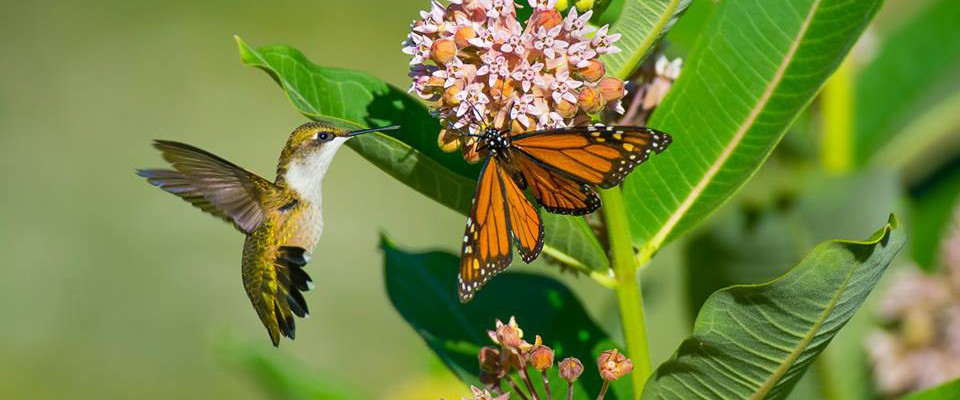
Pollinators are some of the most important and helpful animals on the planet by pollinating plants.
What is Pollen?
Pollen is produced by seed bearing plants for reproduction and contains the male sperm cells. It is a fine powder that is produced in the anther, which is part of the larger stamen. The pollen is taken to the female part of the flower, the stigma. Once there the pollen produces a pollen tube which fertilizes the egg cells inside of the ovary. These will develop into seeds that will be contained in various types of fruits, which will are used for seed dispersal. These seeds will then develop into new plants. The structure of a flower is pictured below.
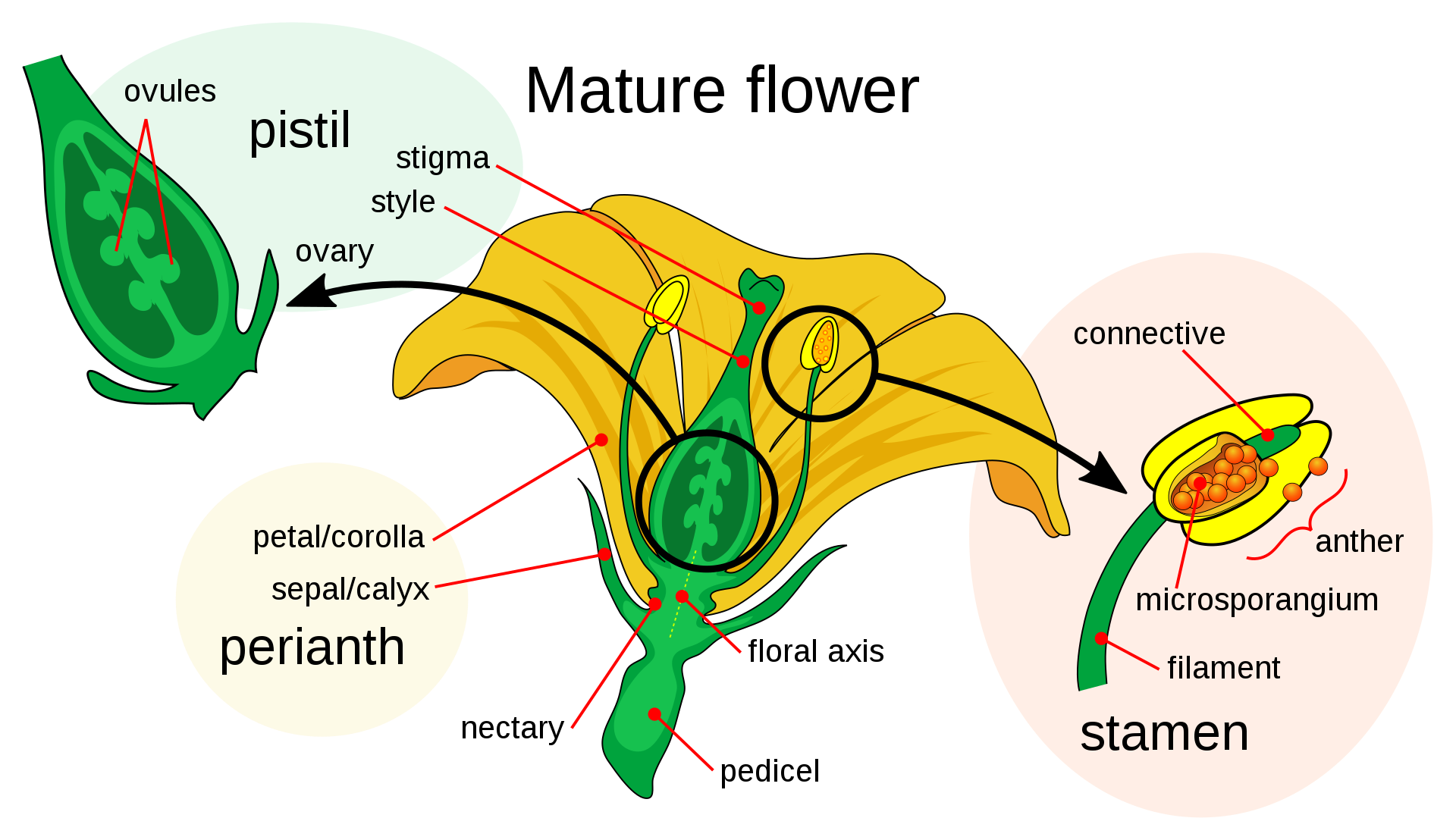
Diagram of a flower
There are different strategies that plants use for pollination. Some plants can self pollinate when necessary, and produce genetically identical offspring. This is helpful in ensuring that the plant is able to reproduce but it does not increase genetic diversity in that species’ population. These plants have flowers that contain both stamens and pistils. Other plant species have flowers that only contain stamens or pistils, but have both flowers on the same plant. Some plants have male and female flowers on different plants. These plants either have to release their pollen into the wind or rely on pollinators to pollinate other plants.
What are Pollinators?
Pollinators are animals that help flowering plants to reproduce by moving pollen between flowers of different plants. The vast majority of pollinators are insects but some species of birds and mammals are also pollinators. The insect pollinators include bees, butterflies, moths, flies, wasps, and beetles. Important bird pollinators include hummingbirds, honey eaters, honey creepers, and sunbirds. Bats are the most common mammal pollinators, but some species of rodents, lemurs, and opossums also pollinate plants.
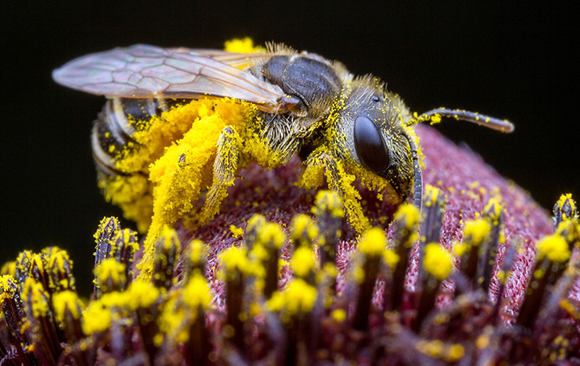
A bee covered in pollen
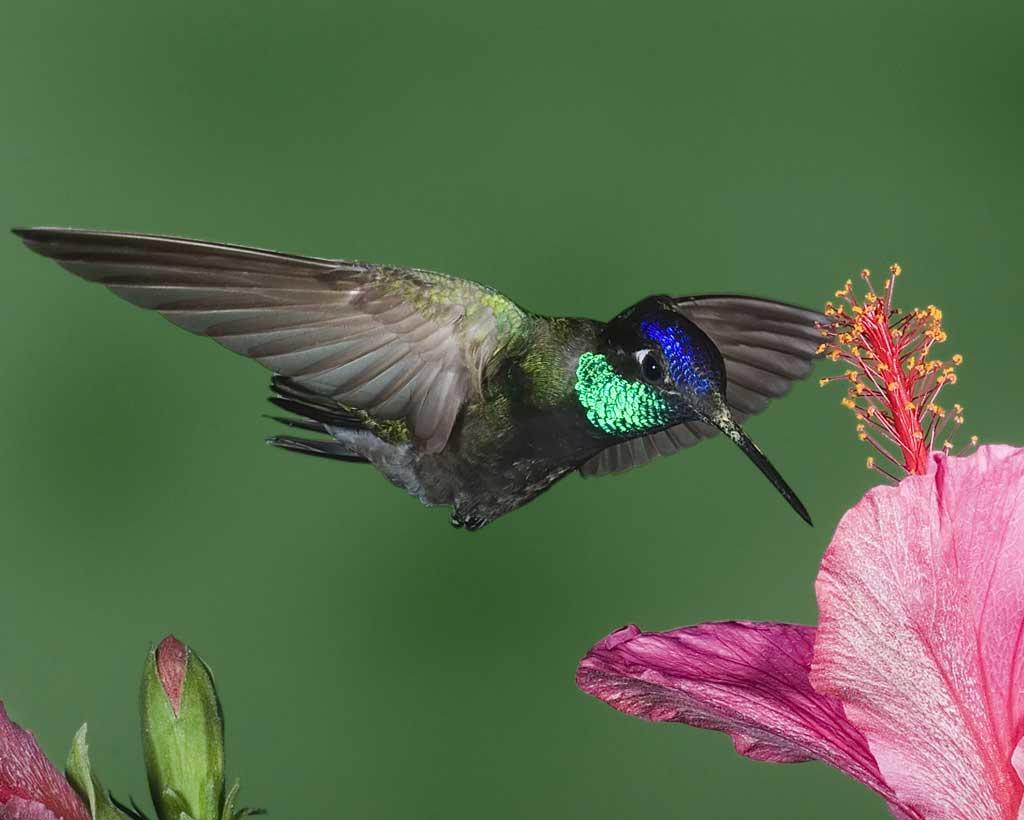
Magnificent hummingbird
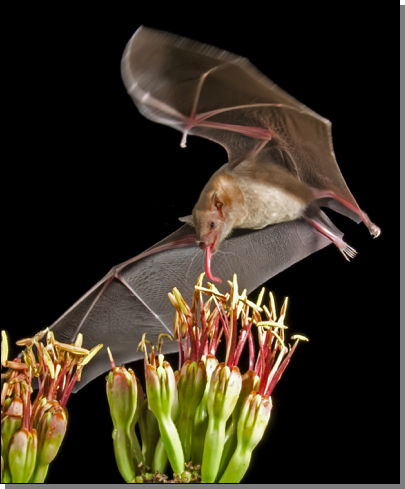
Mexican long-tongued bat
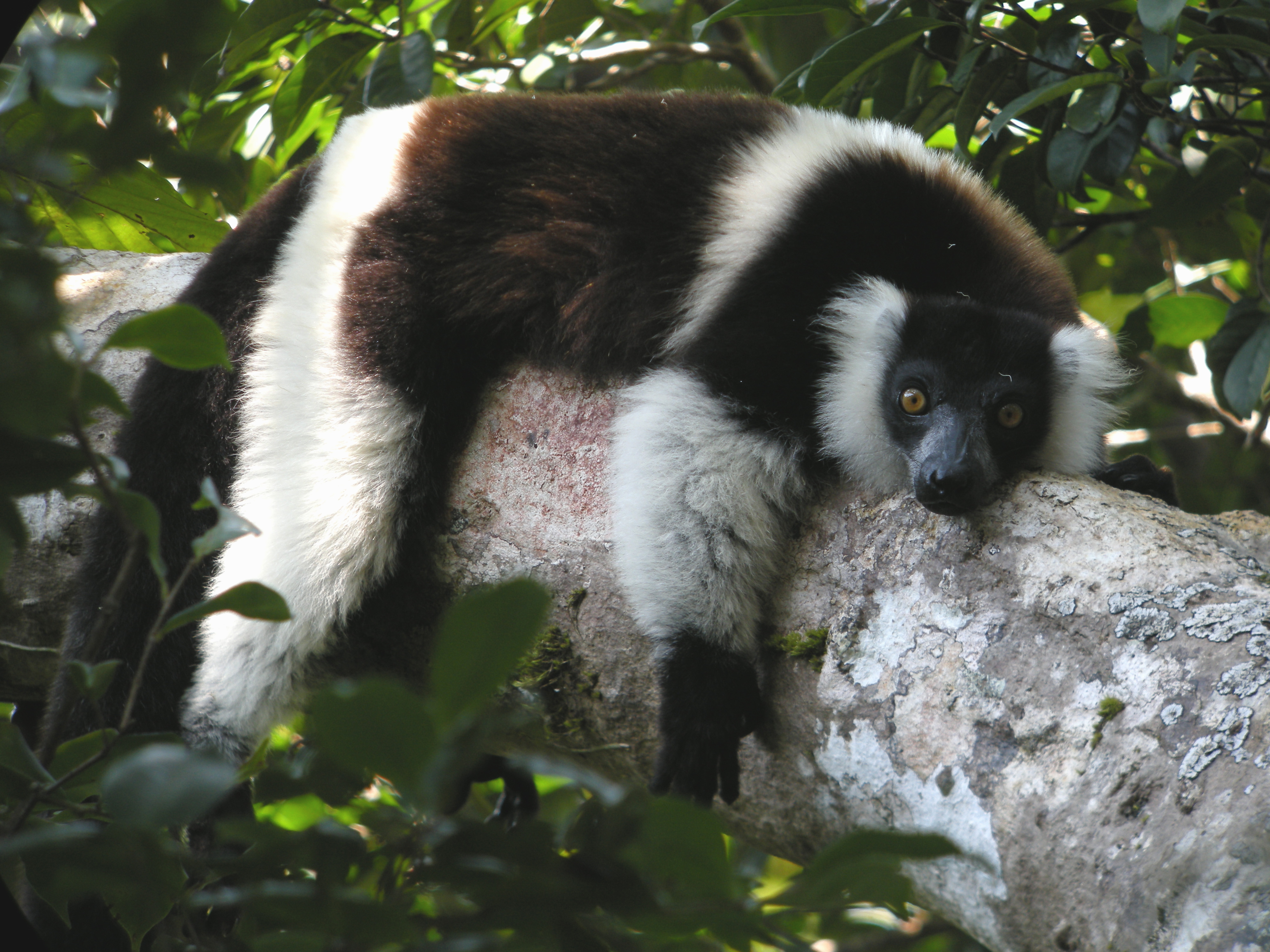
Black and white ruffed lemur, the largest pollinator in the world
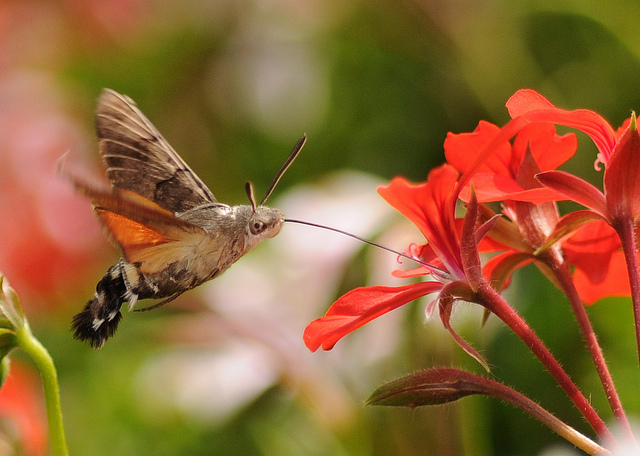
Hummingbird hawk moth
How do Plants Attract Pollinators?
Plants attract pollinators by providing them with food. Plants produce nectar which is a sugar rich liquid that many animals eat. Some animals eat the pollen as well, which is high in protein. When an animal visits a flower to feed, pollen sticks to its body. When the animal moves to a new flower some of the pollen from the previous plants are transferred to the current flower. Animal pollination is often more efficient than wind pollination so many plants have evolved to make use of these animals.
Flowers are brightly colored to attract pollinators. It is believed that plants evolved to have brightly colored flowers to attract insect pollinators. Animals have evolved to recognize flowers and survive off of using them as a food source. This is an example of co-evolution. Many plants and animals are dependent on one another because of this.
The color and shape of the flower are also used to attract pollinators. It is believed that plants evolved to have brightly colored flowers to attract insect pollinators. Many insect pollinators can see ultraviolet light so plants incorporate ultraviolet light patterns on their flowers. Humans cannot perceive ultraviolet light so many flowers look much different to insects than they do to us. Some insects are also attracted to different colored flowers. Bees, for example, are often attracted to blue and violet flowers. Plants that attract nocturnal pollinators, such as moths and bats, often have white flowers or pale yellow and pink flowers. Other pollinators also have color preferences, although preferences in flower color can change based on the environmental conditions at the time. The shape of flowers can also attract certain pollinators. Plants and animals have evolved so that certain pollinators have an easier time of reaching the nectar.
Plants also attract pollinators by producing scents. The titan arum, a plant found in the rain forests of Sumatra, is a unique example of this. It attracts flies and other insects by smelling like rotting meat.
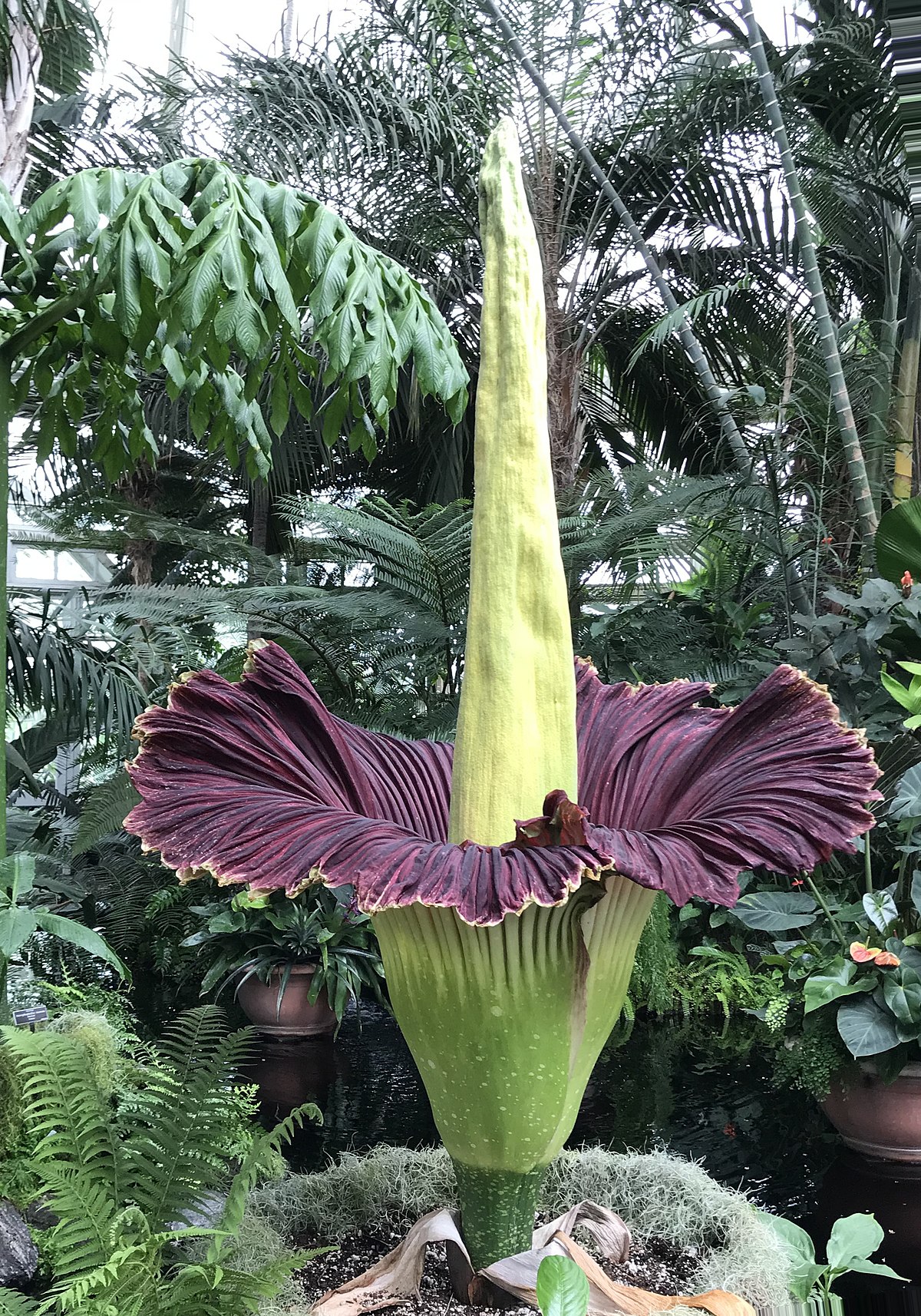
Titan arum a large flowering plant from Sumatra that attracts flies by smelling like rotting meat. It is also known as the corpse flower for this reason.
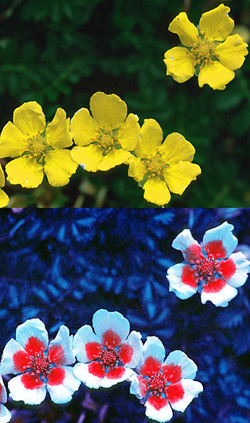
Flowers of the silverweed plant in ultraviolet light
Why are Pollinators Important?
As previously mentioned pollinators help plants to breed. Around 90% of plants require the help of animals for pollination. Without pollinators there would be major problems in ecosystems around the world. Plants make up the base of the food chain and they produce oxygen. Without these services very few organisms would survive.
Pollinators are also very important in helping with food production for humans. Crops plants need pollination just like wild plants. It is estimated that 3/4 of food crops are reliant on some type of pollinator. Without pollinators global food production would be at risk. It is estimated that animal pollination amounts to a value between $235 and $577 billion USD. The amount of crops grown that are reliant on pollinators has also grown by 300% in the last 50 years. It would be very expensive if humans were to try and replace this free service that is provided by pollinators. Climate change is already predicted to cause problems for human food production. If there are further losses of pollinators as well as climate change humans will likely have problems feeding themselves.
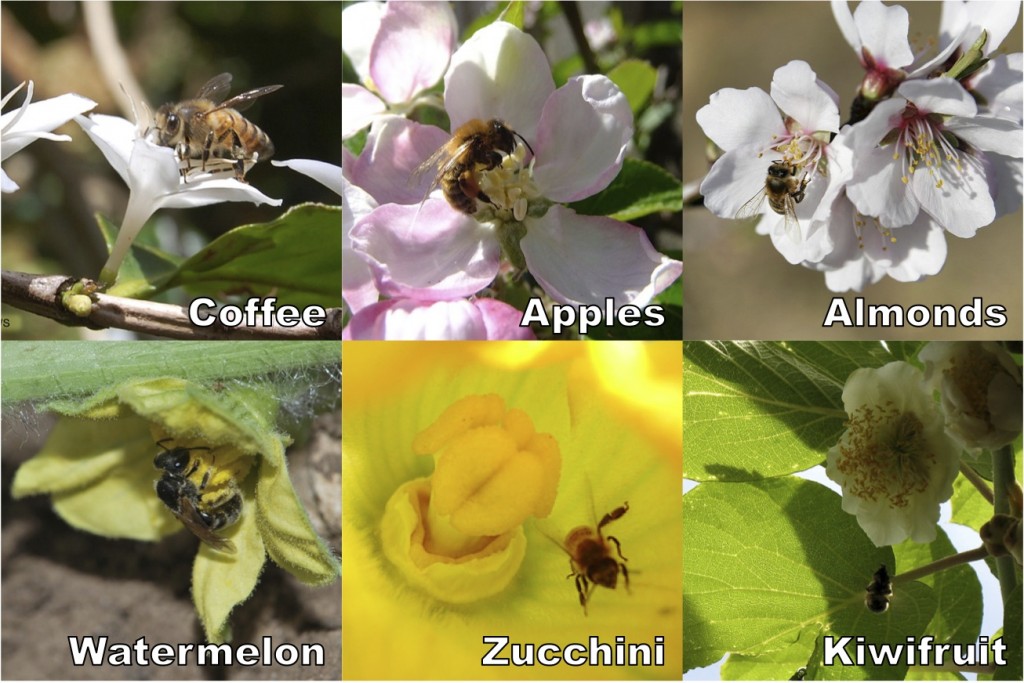
Bees pollinating crops
Pollinators Under Threat
There are many species of pollinators that are currently threatened or endangered. There are a variety of reasons for this including: habitat loss, use of pesticides, disease, invasive species, and climate change. Pesticides in agriculture kill more than just the pest insects, they also kill helpful insects such as pollinators as well as the predators of pest insects. Habitat destruction is also a major issue for pollinators, as well as plants and other animals. Habitat destruction is an issue because it destroys the homes of pollinators and because it causes habitat fragmentation. Habitat fragmentation prevents populations from breeding and can lead to increased risk of extinction. The loss of wildflowers is also a problem for pollinators. Humans have replaced native wildflowers with nonnative ornamental plants. Pollinators are still attracted to these plants but they may not get the nutrition that they need. Climate change is also having an effect by causing a wide variety of changes to the environment across the planet. With all of these changes to the environment plants and animals are having trouble adapting and surviving.
How to Help
There are many ways to help pollinators. One way is to use native plants in landscaping. This provides a food source for pollinators. It can help pollinators travel between larger habitats and lessen the effects of habitat fragmentation. Native plants are also more adapted for the climate and require less care than many ornamental plants. They can also be planted near farm fields. This attracts the pollinators which will help with the pollination of crops. It is important to have flowers that bloom in spring, summer, and autumn as different pollinator species are active at different times of the year. Some species of pollinators are more active at different times of the year. Having plants that are blooming at different times of the year provides pollinators with food throughout the year.
Cutting down on the use of pesticides also helps pollinators. One way to cut down the use of pesticides is to grow plants that attract insects that pest species. Allowing predatory insects and spiders to live in gardens can cut down on these pests.
Pollinators can be helped by cutting down on the use of mulch in gardens. Many species of bees burrow in the ground to raise their offspring. This cannot be done if mulch is blocking their access to the soil.
Pollinators are very important to the global environment and for food production. Understanding pollinators and how to help them can help humans protect the environment as well ourselves.
 Science and Nature