Coral reefs support a wide variety of life
What is Biodiversity?
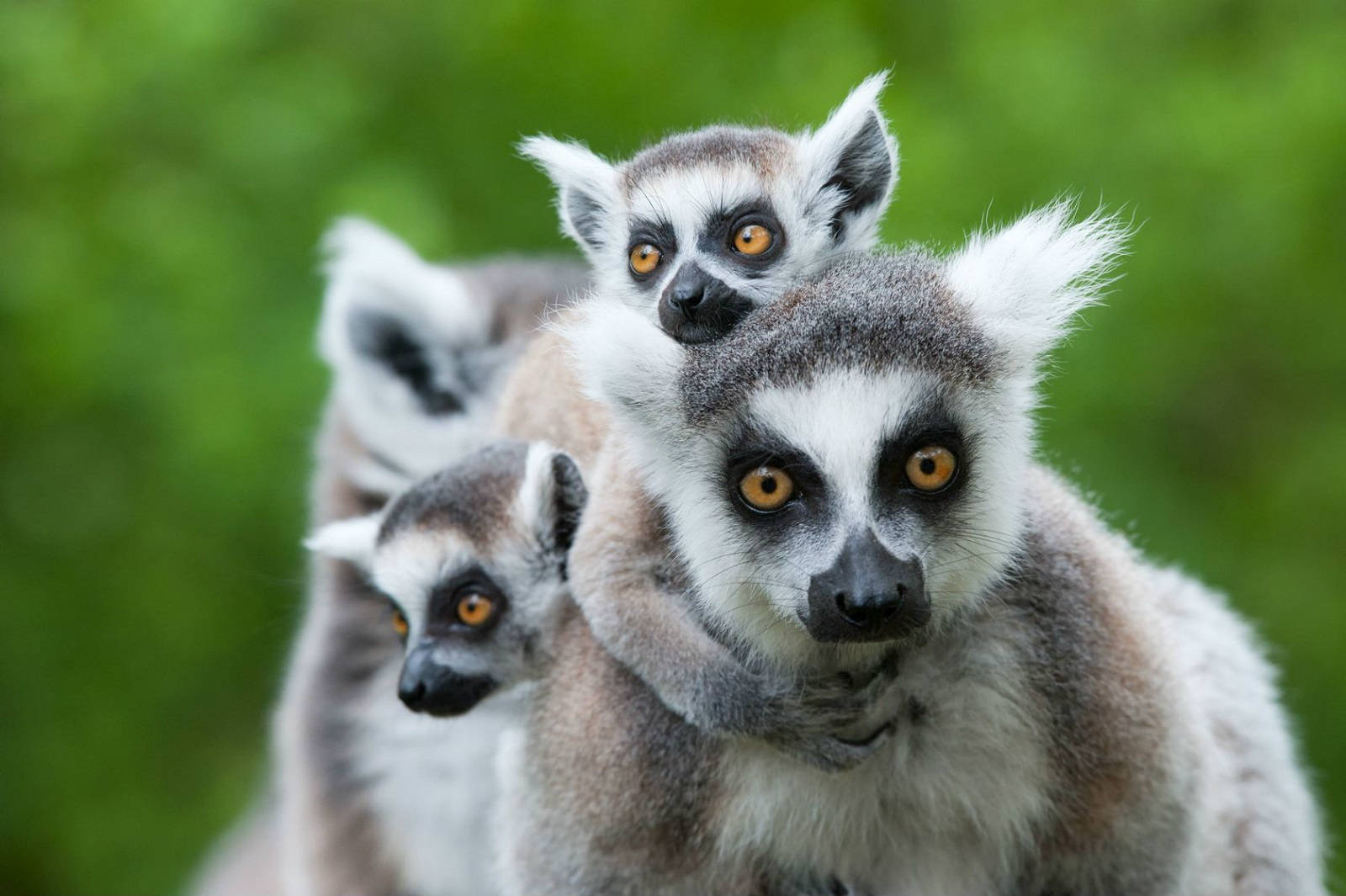
Biodiversity is the variety of all life on Earth. It is made up of plants, animals, fungi and bacteria, and other microorganisms. It is also made up of the wide variety of ecosystems that cover the Earth. These ecosystems all host their own unique collection of species. Biodiversity also includes the variation in genes between members of the same species. Some ecosystems are considered biodiversity hot spots due to the number of species that live there. These hot spots often have many endemic species, which are only found in these areas. An example of this is the Island of Madagascar which has many species that are only found there, such as the ring-tailed lemur below. It is estimated that 95% of Madagascar’s reptiles, 89% of its plants, and 92% of its mammals are only found in Madagascar.
Why is Biodiversity Important?
All of the species in an ecosystem have roles that they play in the ecosystem. When biodiversity is maintained it helps to keep the ecosystem in balance, which makes the ecosystem more productive. Productive ecosystems provide many services that benefit humans. These ecosystem services are divided into four categories. Provisioning services include the production of food and water. Regulating services include climate control and disease control. Supporting services include nutrient cycles and oxygen production. The final category is cultural services which include spiritual and recreational benefits.
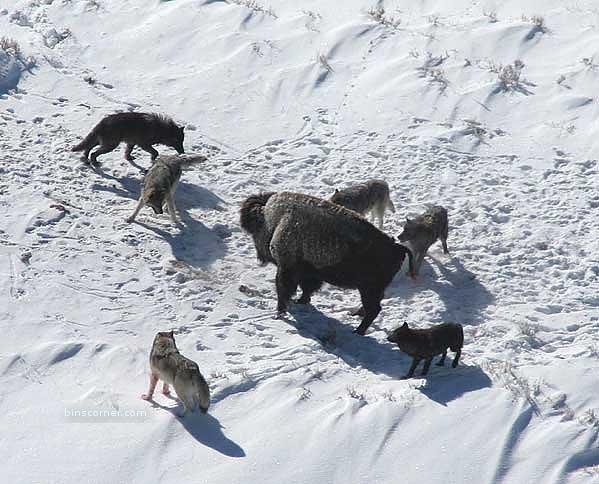
All of the species that make up an ecosystem are important for these services to work. Species in an ecosystem are interconnected and dependent on one another. Soils are healthier when there are a wide variety of plant species growing. Healthy soils in turn help plants to grow and to be healthier. Predator species help to keep grazing animal’s populations in check. This helps to relieve some of the grazing pressure and helps plants to remain healthy. Wolves are an example of this and are pictured below hunting a bison. When species are removed from an ecosystem the ecosystem loses its balance and can become degraded which can hinder the ecosystem services.
The Crisis
Despite all of the positive things that are associated with biodiversity many species and habitats are under threat. A study that was conducted by the Intergovernmental Science-Policy Platform on Biodiversity and Ecosystem Services (IPBES) concluded that up to one million species of plants and animals were under threat of extinction. Many of these species are at risk due to loss of habitat and over harvest. This many species being under threat of extinction will cause problems to humans. Some of the endangered species include pollinators which helps us grow crops and help wild plants reproduce. Forests that produce oxygen, absorb the carbon dioxide that contributes to climate change, and provide habitat for countless plants and animals are being cleared for cattle ranching, palm oil plantations, and logging. Fish stocks are dropping rapidly around the world from over fishing which will hurt our ability to feed ourselves in the coming generations. This will also hurt populations of marine animals that also feed on these same fish. Rhinos are another example of a species that has been over harvested and pushed to the brink of extinction due to poaching for their horns.
What Can be Done?
A massive change is needed in the way humans use the environment is needed if biodiversity is going to be protected. Agriculture will need to be done sustainably, without destroying the environment in the area. Humans will no longer be able to completely clear an ecosystem and replace it with agriculture if species are going to survive. Allowing the natural biodiversity to remain in farmland will help the soils remain productive for agriculture as well. Over harvest of natural resources will also need to end. Species that are at risk of extinction should be protected from harvest. Species that are not threatened should be harvested in a sustainable way so that the population can remain and they will not become threatened. More wilderness will need to be protected from human pressure as well, especially marine habitats. There are very few marine reserves in the world. The few that are in place have shown great benefits to the species that call them home. Climate change must also be addressed, not only to protect biodiversity but to protect ourselves from the problems that climate change will bring to our way of life. If we can do this we can help to save many species and protect the ecosystem services that provide for us.
 Science and Nature